Understanding the operation process and working principle of air-driven light aggregate material conveyors is crucial for industries that rely on efficient material handling solutions. These systems are designed to transport lightweight aggregates, such as expanded perlite, vermiculite, or other similar materials, with precision and reliability. The following sections will delve into the detailed mechanisms, operational steps, and technical aspects that define the performance of these advanced conveying systems.
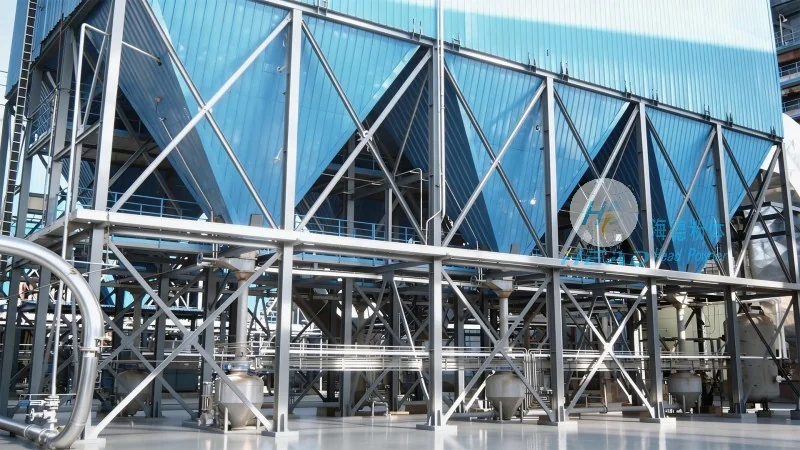
Overview of Air-Driven Light Aggregate Conveyors
HeadPowder, a leading manufacturer based in Shandong, China, specializes in the design and production of high-quality air-driven light aggregate material conveyors. These machines are engineered to meet the demands of various industrial applications, including construction, chemical processing, and agricultural sectors. The core of these systems lies in the integration of pneumatic technology with robust mechanical components, ensuring seamless material transport from source to destination.
Working Principle of the Conveying System
The fundamental principle behind air-driven light aggregate conveyors is pneumatic transport, where materials are conveyed through a pipeline using compressed air. The process begins with the material being fed into the hopper or inlet chamber. As the material enters, it is mixed with the air stream, which then propels the particles through the pipeline. The system typically includes a blower or compressor that generates the necessary air pressure, and a series of valves and controls to regulate the flow. The design ensures that the lightweight aggregates are not damaged during transport, maintaining their integrity and quality.
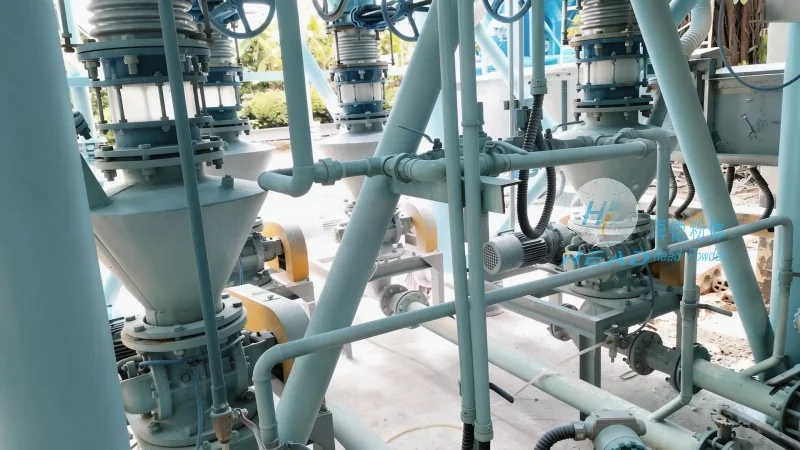
Key Components and Their Functions
Several critical components work in tandem to ensure the efficient operation of air-driven light aggregate conveyors. These include:
- Feeding Hopper: The hopper is responsible for storing and feeding the light aggregate material into the system. It is designed with a wide inlet to accommodate bulk material and features a discharge valve that controls the flow rate.
- Blower/Compressor: This component generates the compressed air required to move the material through the pipeline. The blower's capacity is matched to the material's density and the system's length, ensuring optimal performance.
- Pipeline System: The pipeline, usually made of stainless steel or other corrosion-resistant materials, forms the path for the material and air mixture. It is equipped with bends, elbows, and straight sections to guide the flow, with minimal pressure loss.
- Control Valves and Regulators: These components manage the air pressure and flow rate, allowing operators to adjust the conveying speed and volume as needed. They ensure that the system operates within safe and efficient parameters.
- Discharge Unit: The discharge unit, such as a rotary valve or a venturi, separates the material from the air stream at the end of the pipeline. The material is then collected in a storage bin or processing unit, while the air is either filtered and recirculated or released to the atmosphere.
Operation Process Step-by-Step
The operation of an air-driven light aggregate conveyor follows a systematic process, which can be broken down into the following steps:
- Material Loading: The light aggregate material is loaded into the feeding hopper. The hopper is typically equipped with a level indicator to monitor the material quantity.
- Air Compression: The blower or compressor is activated, generating the required compressed air. The air pressure is set according to the material's characteristics and the pipeline length.
- Material Inception: The material is released from the hopper into the air stream. The air flow entrains the particles, and they are carried through the pipeline.
- Pipeline Transport: The material-air mixture travels through the pipeline, navigating bends and changes in direction. The system's design minimizes friction and pressure drop, ensuring consistent transport.
- Discharge and Separation: At the discharge end, the material is separated from the air using a venturi or rotary valve. The material is collected in a designated container, while the air is filtered and either recirculated or vented.
- System Monitoring: Throughout the operation, the system's performance is monitored using sensors and control panels. Operators can adjust the air pressure, flow rate, or material feed rate to maintain optimal operation.
Advantages of Air-Driven Light Aggregate Conveyors
HeadPowder's air-driven light aggregate conveyors offer several advantages over traditional mechanical conveying systems. These include:
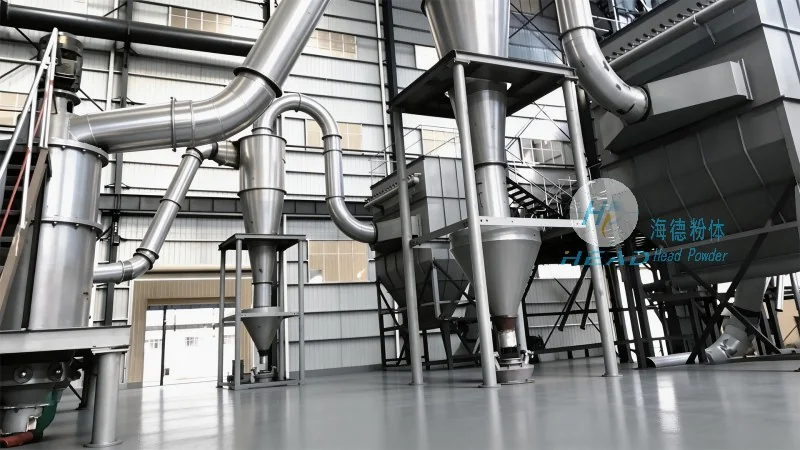
- Non-Contact Transport: Since the material is conveyed through the air, there is no direct contact with mechanical parts, reducing wear and tear and preventing contamination.
- Flexibility in Layout: The pneumatic system allows for flexible pipeline routing, enabling material transport over long distances or around obstacles.
- Low Maintenance: With fewer moving parts compared to mechanical conveyors, these systems require less maintenance and have lower operational costs.
- Energy Efficiency: Modern blowers and compressors are designed to be energy-efficient, reducing operational costs and environmental impact.
- Material Integrity: The gentle handling of lightweight aggregates ensures that the material's quality and properties are preserved, which is critical for applications where particle size and shape are important.
Applications and Industries
Air-driven light aggregate conveyors are widely used in various industries due to their versatility and efficiency. Some common applications include:
- Construction Materials: Transporting lightweight aggregates like expanded perlite or vermiculite for insulation and construction purposes.
- Chemical Processing: Handling light chemical powders or granules in pharmaceutical and chemical manufacturing plants.
- Agricultural Products: Conveying lightweight agricultural materials, such as dried herbs or seeds, for processing and packaging.
- Food Processing: Transporting light food powders or ingredients in food processing facilities, where hygiene and material integrity are paramount.
Conclusion and Company Information
HeadPowder Engineering Co., Ltd., based in Shandong, China, is a trusted provider of air-driven light aggregate material conveyors. The company's commitment to quality, innovation, and customer satisfaction has made its products a preferred choice in the industry. By understanding the operation process and working principle of these systems, users can optimize their material handling operations, improve efficiency, and reduce costs. For more information or customized solutions, please contact HeadPowder at their address in Shandong, China.

 Shandong Headpowder Engineering Co., Ltd.
 156-6277-7102(Manager Zhang)
  0531-83386006
  Zhangqiu District, Jinan City, Shandong Province, China