With more than 10‑year industry experience, Shandong Headpowder delivers full‑service pneumatic‑conveying systems and blowers, undertaking nationwide turn‑key powder‑handling projects.
Wool material conveying lines are essential equipment in the textile industry, designed to efficiently transport wool and related materials from one processing stage to another. The operation of these systems involves a series of coordinated components and mechanisms that ensure smooth and reliable material handling. Understanding the operation process and working principle is crucial for optimizing production efficiency and maintaining the quality of wool products.
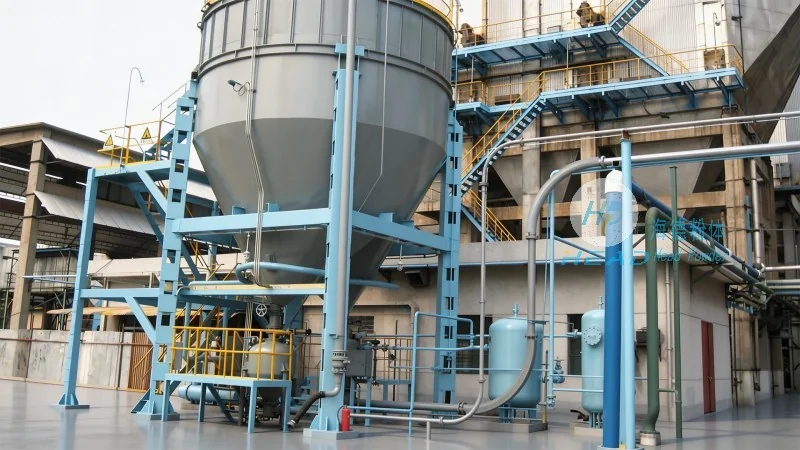
Shandong HeadPowder Engineering Co., Ltd., a leading manufacturer in the field, specializes in the design, production, and installation of advanced material handling systems. With a focus on precision engineering and customer-centric solutions, the company has established itself as a trusted partner for textile manufacturers worldwide. HeadPowder's expertise lies in creating customized conveying lines that meet the specific requirements of wool processing facilities, ensuring durability, efficiency, and compliance with industry standards.
Wool material conveying lines typically consist of several key components, including feeders, conveyors, storage hoppers, and control systems. These components work in tandem to move raw wool or processed wool products through various stages of production, such as cleaning, carding, and spinning. The design of the conveying line is tailored to the characteristics of wool, which is known for its soft texture and varying fiber lengths, requiring gentle handling to prevent damage.
The operation process of a wool material conveying line begins with the feeding of raw wool into the system. The feeders, often equipped with adjustable speed controls, ensure a consistent flow of material into the conveyor. The conveyor, which may be a belt conveyor, screw conveyor, or pneumatic conveyor, then transports the wool to the next processing stage. For example, a belt conveyor might carry wool from a storage hopper to a cleaning machine, while a screw conveyor could be used to move wool through a drying or conditioning unit.
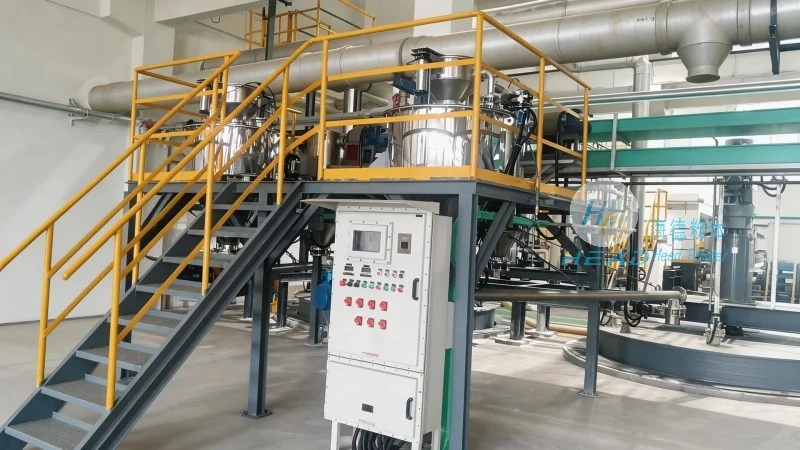
During the conveying process, the system may incorporate additional features such as material separation, sorting, or cleaning. These features help to remove impurities like dirt, leaves, or other foreign objects from the wool, ensuring that only high-quality fibers are processed further. The control system, which is integrated into the conveying line, monitors the flow rate, pressure, and temperature of the material, adjusting the operation parameters as needed to maintain optimal performance.
The working principle of wool material conveying lines is based on the principles of mechanical and pneumatic transport. Mechanical conveyors, such as belt or screw conveyors, use physical force to move the material along a defined path. The belt conveyor, for instance, consists of a continuous loop of rubber or plastic belt that is driven by a motor. As the belt moves, the wool is placed on it and carried to the desired location. Screw conveyors, on the other hand, use a rotating screw to push the material forward, making them suitable for vertical or inclined transport.
Pneumatic conveying systems, also known as air conveyors, use compressed air to transport wool in a closed pipe system. The wool is carried by the air stream, which can be directed to different processing units. This method is particularly effective for handling fine or dusty materials, as it prevents contamination and ensures a clean transport process. The control system in pneumatic conveying lines regulates the air pressure and flow rate, ensuring that the material is transported efficiently and without damage.
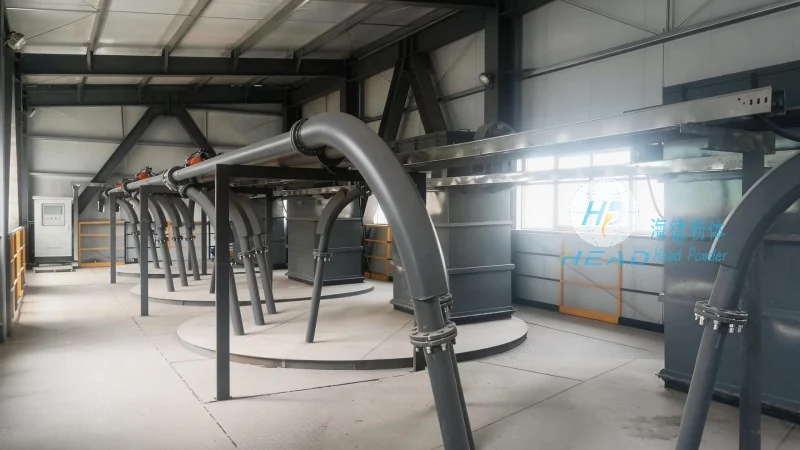
Several key components are integral to the operation of wool material conveying lines. The feeders are responsible for uniformly feeding the wool into the system, preventing overloading or blockages. The conveyors, as mentioned earlier, are the primary transport mechanisms, moving the material through the production line. Storage hoppers are used to temporarily hold the wool, providing a buffer between different processing stages and ensuring a steady supply of material. The control system monitors and regulates all aspects of the operation, ensuring that the conveying line operates within safe and efficient parameters.
Wool material conveying lines offer several advantages over traditional manual handling methods. First, they improve production efficiency by automating the material transport process, reducing labor costs and increasing throughput. Second, they ensure consistent quality by maintaining gentle handling of the wool, preventing damage to the fibers. Third, they enhance safety by eliminating the need for manual handling of heavy or bulky wool bales, reducing the risk of workplace injuries. Finally, they provide flexibility in the production process, allowing for easy integration with other processing equipment and adaptation to changing production requirements.
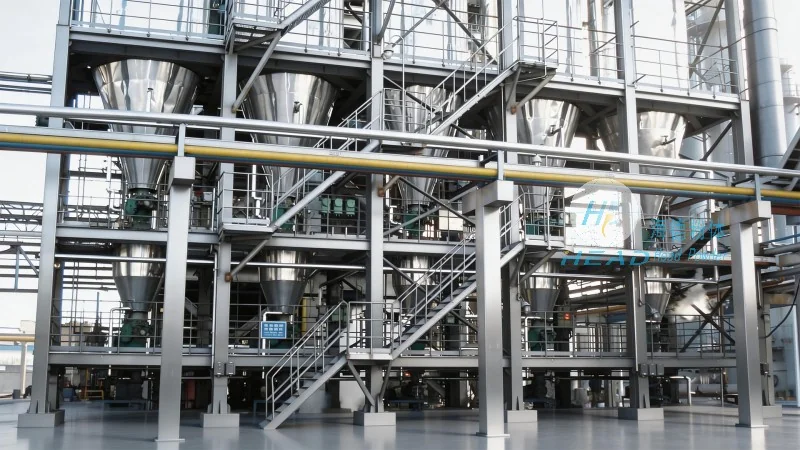
Wool material conveying lines are widely used in various stages of wool processing, from raw material handling to finished product packaging. In the initial stages, the conveying line may be used to transport raw wool from storage to cleaning equipment, where it is washed and prepared for further processing. In the middle stages, the conveying line may transport processed wool to carding or spinning machines, where the fibers are aligned and twisted into yarn. In the final stages, the conveying line may transport the finished yarn or fabric to packaging units, ready for distribution to customers.
To ensure the long-term performance and reliability of wool material conveying lines, regular maintenance is essential. This includes cleaning the conveyors and feeders to prevent buildup of wool fibers and impurities, lubricating moving parts to reduce friction and wear, and inspecting the control system for any signs of malfunction. Common issues that may arise in the operation of a conveying line include blockages, belt slippage, or air leaks in pneumatic systems. These issues can be identified and resolved through regular inspections and proper maintenance procedures, ensuring that the conveying line continues to operate efficiently.
Wool material conveying lines are a critical component of modern wool processing facilities, providing efficient and reliable transport of wool and related materials. The operation process and working principle of these systems are designed to meet the specific needs of the textile industry, ensuring that wool is handled gently and processed to the highest quality standards. With the expertise of manufacturers like Shandong HeadPowder Engineering Co., Ltd., textile manufacturers can benefit from advanced conveying solutions that enhance productivity, improve quality, and ensure safety in their operations.

 Shandong Headpowder Engineering Co., Ltd.
 156-6277-7102(Manager Zhang)
  0531-83386006
  Zhangqiu District, Jinan City, Shandong Province, China
telephone
WeChatconsult
top