With more than 10‑year industry experience, Shandong Headpowder delivers full‑service pneumatic‑conveying systems and blowers, undertaking nationwide turn‑key powder‑handling projects.
Shandong HeadPowder Engineering Co., Ltd., commonly known as HeadPowder, specializes in the design, manufacturing, and implementation of advanced pneumatic conveying systems tailored for handling ceramic powders. With a focus on precision, efficiency, and reliability, the company's solutions address the unique challenges associated with transporting fine ceramic materials, ensuring optimal performance in various industrial applications. HeadPowder's expertise lies in understanding the material properties of ceramic powders, such as their particle size, density, and flow characteristics, and translating this knowledge into robust system designs that meet the demands of modern manufacturing processes. The company is headquartered in Shandong, China, and has built a reputation for delivering high-quality, customized solutions that enhance the productivity and sustainability of industrial operations.
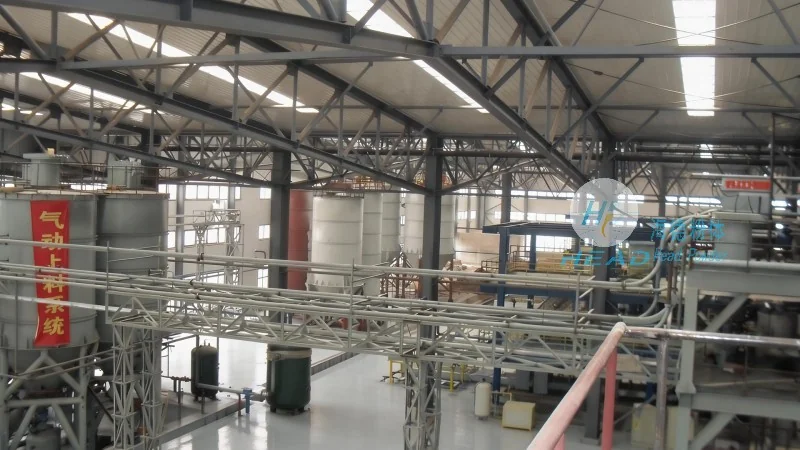
Pneumatic conveying systems operate on the fundamental principle of utilizing compressed air or other gases to transport bulk materials through a pipeline. In the context of ceramic powders, this method involves creating a flow of air that lifts and propels the powder particles from the source to the destination. The system typically consists of a hopper or feeder, a blower or compressor to generate the necessary air pressure, a pipeline network, and a receiver or discharge unit. The key to effective ceramic powder transport lies in maintaining a consistent air flow rate and pressure, which ensures that the powder particles are entrained and moved without clogging or degradation. HeadPowder's systems are engineered to optimize these parameters, utilizing advanced control technologies to adjust air pressure and flow in real-time, thereby enhancing system efficiency and material integrity. The company's engineers consider factors such as the material's particle size distribution, density, and moisture content to design systems that achieve the best possible performance, ensuring that the ceramic powder remains in a stable, transportable state throughout the process.
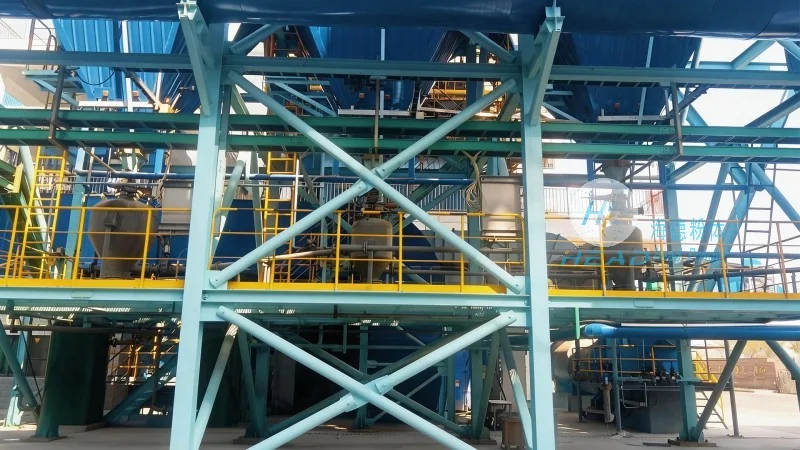
The working scene characteristics of ceramic powder pneumatic conveying systems are defined by several critical factors that influence system performance and operational effectiveness. These include the material's particle size distribution, which affects how easily the powder can be suspended in the air stream; the material's density and flowability, which determine the required air velocity and pressure; and the system's layout, such as the length and complexity of the pipeline network, which impacts the overall energy consumption and system reliability. Additionally, environmental factors, such as temperature and humidity, play a role in maintaining the quality of the ceramic powder during transport. HeadPowder's systems are designed to accommodate a wide range of ceramic powder types, from fine powders used in ceramics and electronics to larger particles used in refractory applications, ensuring versatility and adaptability across different industrial settings. The company's expertise in material science and fluid dynamics allows for the development of customized solutions that address the specific challenges of each application, resulting in systems that are both efficient and durable. For instance, in applications involving very fine ceramic powders, the system may require higher air velocities to prevent particle settling, while larger particles may necessitate lower velocities to avoid excessive wear on the pipeline components. HeadPowder's systems are equipped with adjustable parameters that allow for these optimizations, ensuring that the system operates at its peak efficiency for the specific material being transported.
Implementing a pneumatic conveying system for ceramic powders offers numerous advantages over traditional methods, such as manual handling or mechanical conveying. One of the primary benefits is the ability to maintain the purity and quality of the ceramic material throughout the transport process, as the system minimizes exposure to contaminants and reduces the risk of particle degradation. Additionally, pneumatic conveying systems are highly efficient in terms of energy consumption, as they can transport large volumes of material with relatively low power input compared to other methods. The systems also offer flexibility in terms of layout, allowing for the integration of multiple feeding and discharge points, which enhances operational flexibility and reduces downtime. Furthermore, the enclosed nature of the system helps to control dust emissions, contributing to a safer and more environmentally friendly working environment. HeadPowder's systems are equipped with advanced monitoring and control features, enabling real-time tracking of system performance and material flow, which facilitates proactive maintenance and reduces the likelihood of system failures. The company's systems also include features such as automatic cleaning and maintenance alerts, which further enhance system reliability and reduce operational costs over time.
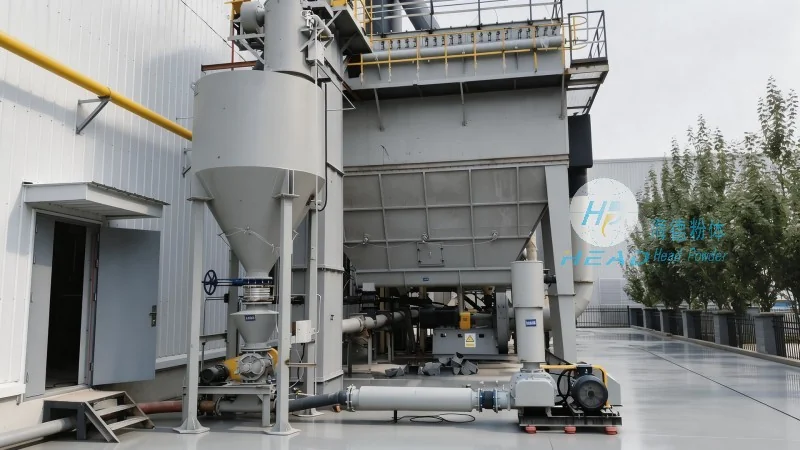
Ceramic powder pneumatic conveying systems are widely used in various industrial sectors, including ceramics manufacturing, electronics, and refractory production. In the ceramics industry, these systems are essential for transporting raw materials like clay, feldspar, and quartz to production lines, ensuring a consistent supply of high-quality materials for manufacturing ceramic products. In the electronics industry, fine ceramic powders are used in the production of components such as capacitors and substrates, where the purity and uniformity of the material are critical. The systems help maintain these standards by preventing contamination and ensuring precise material delivery. In refractory applications, larger ceramic particles are used to produce high-temperature resistant materials, and pneumatic conveying systems provide an efficient means of transporting these materials to the production site. HeadPowder has successfully implemented numerous projects across these sectors, demonstrating the effectiveness of their systems in improving operational efficiency and product quality. For example, a client in the ceramics industry reported a 20% reduction in material handling time and a 15% decrease in energy consumption after implementing a HeadPowder pneumatic conveying system. Another client in the electronics sector achieved improved material consistency, leading to higher product yields and reduced waste. These case studies highlight the practical benefits of using advanced pneumatic conveying systems for ceramic powder transport. The company's commitment to customer satisfaction and technical excellence has made it a trusted partner for businesses seeking to optimize their ceramic powder handling processes.

 Shandong Headpowder Engineering Co., Ltd.
 156-6277-7102(Manager Zhang)
  0531-83386006
  Zhangqiu District, Jinan City, Shandong Province, China
telephone
WeChatconsult
top