With more than 10‑year industry experience, Shandong Headpowder delivers full‑service pneumatic‑conveying systems and blowers, undertaking nationwide turn‑key powder‑handling projects.
Multi-point feeding material pneumatic conveying systems represent a sophisticated approach to material handling, offering enhanced efficiency and flexibility in industrial applications. This technology is particularly valuable for industries dealing with bulk materials, where traditional methods may face limitations in terms of speed, accuracy, or operational range. The core principle behind these systems lies in the use of compressed air or other gas to transport materials through a network of pipes, enabling the simultaneous or sequential feeding of materials from multiple sources to a central processing unit or storage location. Developed by Shandong HeadPowder Engineering Co., Ltd. (headpowder), a leading manufacturer based in Shandong, China, these systems integrate advanced engineering and material handling expertise to deliver reliable and efficient solutions for diverse industrial needs.
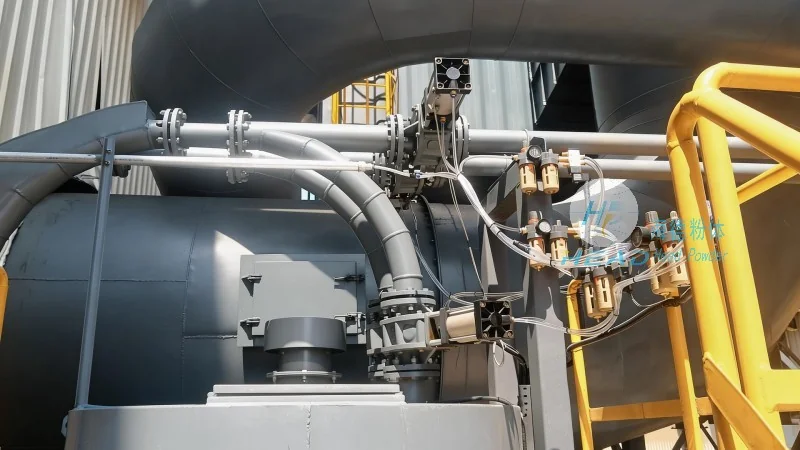
The fundamental principle of multi-point feeding material pneumatic conveying systems revolves around the generation of a consistent air flow that propels particulate materials through a closed or semi-closed pipeline network. Unlike single-point feeding systems, which rely on a single inlet for material introduction, multi-point feeding systems are designed to accept material input from several feeding points. This design allows for the integration of multiple material sources, such as raw material storage silos, processing lines, or even remote feeding stations, into a unified conveying system. The system typically operates by creating a negative pressure (suction) or positive pressure (blowing) within the pipeline, depending on the specific application requirements. The air flow, often generated by a blower or fan, is controlled to ensure that the material is transported smoothly without excessive pressure drops or blockages. Key components of this system include feeding hoppers, rotary valves, airlocks, and the conveying pipeline itself. The feeding hoppers are equipped with material feed mechanisms, such as screw conveyors or vibratory feeders, which regulate the flow of material into the pipeline. Rotary valves and airlocks prevent backflow and ensure that material is discharged only at the designated outlet, maintaining system integrity and preventing contamination.
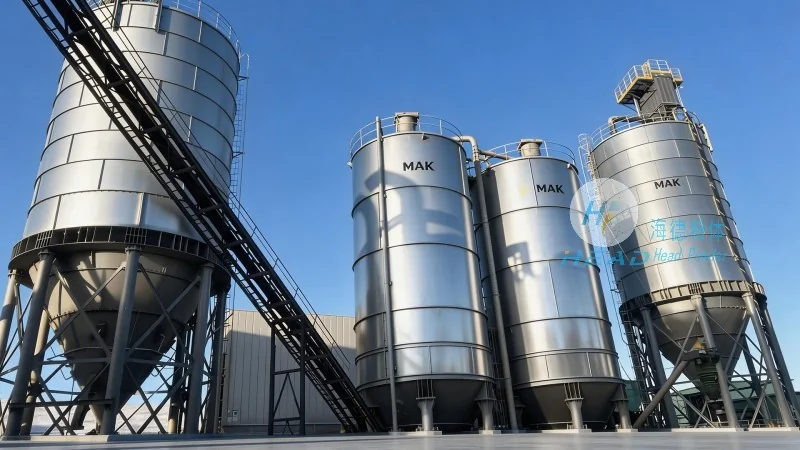
Multi-point feeding material pneumatic conveying systems are characterized by several distinct working scene features that make them suitable for a wide range of industrial applications. One of the primary advantages is the ability to handle multiple material sources simultaneously, which is crucial in large-scale production environments where different raw materials need to be combined or processed in sequence. This capability enhances operational flexibility, allowing for dynamic adjustments to production schedules without the need for extensive system reconfiguration. Another significant characteristic is the system's ability to maintain consistent material flow rates and pressure levels, even when multiple feeding points are active. This stability is achieved through advanced control systems that monitor and adjust air pressure, material feed rates, and pipeline conditions in real-time. The result is a reliable and efficient material handling solution that minimizes downtime and maximizes throughput. Additionally, multi-point feeding systems are designed to accommodate a variety of material types, including powders, granules, and even fine particulates, with minimal degradation or loss. The enclosed pipeline design prevents material exposure to external contaminants and reduces dust emissions, contributing to a cleaner and safer working environment. In terms of scalability, these systems can be easily expanded to accommodate increased production demands by adding additional feeding points or extending the pipeline network. This adaptability makes them ideal for industries experiencing growth or undergoing process optimization.
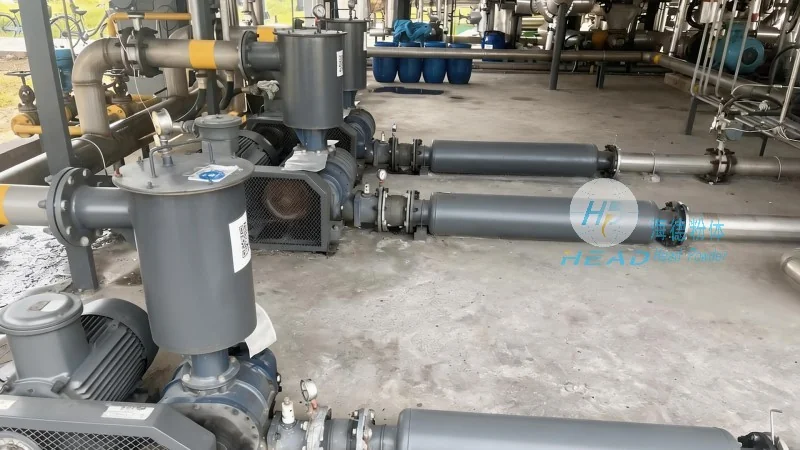
The working scene characteristics of multi-point feeding material pneumatic conveying systems make them highly applicable in various industrial sectors. In the chemical industry, for example, these systems are used to transport raw chemicals from storage tanks to processing reactors, ensuring precise dosing and consistent material quality. The ability to feed multiple chemical components from different sources allows for the formulation of complex mixtures with high accuracy. In the food and pharmaceutical industries, where material purity and contamination control are paramount, multi-point feeding systems provide a hygienic and enclosed solution for handling powders and granules. The system's design minimizes human contact with materials, reducing the risk of cross-contamination and ensuring compliance with regulatory standards. Similarly, in the mining and mineral processing sectors, these systems are employed to transport bulk minerals from ore bins to grinding mills or sorting equipment. The robust construction and high material handling capacity of multi-point feeding systems make them suitable for abrasive and heavy materials, which are common in mining operations. The integration of these systems into existing production lines is facilitated by their modular design, allowing for seamless integration without disrupting ongoing operations. This adaptability is particularly valuable in industries where process changes or upgrades are frequent.

 Shandong Headpowder Engineering Co., Ltd.
 156-6277-7102(Manager Zhang)
  0531-83386006
  Zhangqiu District, Jinan City, Shandong Province, China
telephone
WeChatconsult
top