With more than 10‑year industry experience, Shandong Headpowder delivers full‑service pneumatic‑conveying systems and blowers, undertaking nationwide turn‑key powder‑handling projects.
The company, Shandong HeadPowder Engineering Co., Ltd., specializes in advanced pneumatic conveying solutions, particularly focusing on foam material handling systems. These systems represent a sophisticated approach to material transport, combining traditional pneumatic conveying with innovative foam technology to enhance efficiency and safety in various industrial applications. By leveraging the unique properties of foam as a transport medium, the company provides tailored solutions for industries facing challenges in material handling, such as dust control, material degradation, or equipment wear.
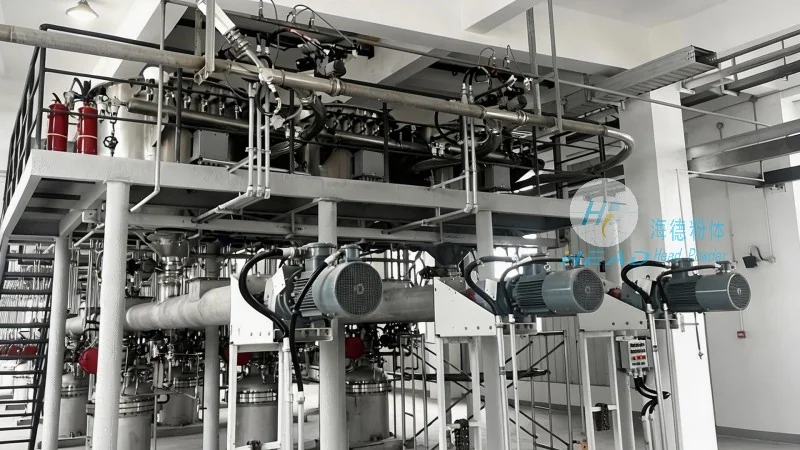
The fundamental principle of foam material pneumatic conveying systems involves the generation of a foam mixture by blending air and a liquid carrier with the bulk material. This foam, characterized by its low density and high flowability, acts as a medium to transport the material through pipelines. The process typically starts with the material being introduced into a mixing chamber where it is combined with a foaming solution. Air is then introduced under controlled pressure, creating a stable foam structure that entrains the material particles. The foam mixture is subsequently pumped through the conveying line, leveraging the air pressure to move the material from the source to the destination. This method allows for the transportation of materials that are difficult to handle via conventional pneumatic systems, such as fine powders, granules, or even sticky substances. The foam medium effectively reduces the friction between material particles and the pipeline walls, minimizing abrasion and extending the lifespan of conveying components.
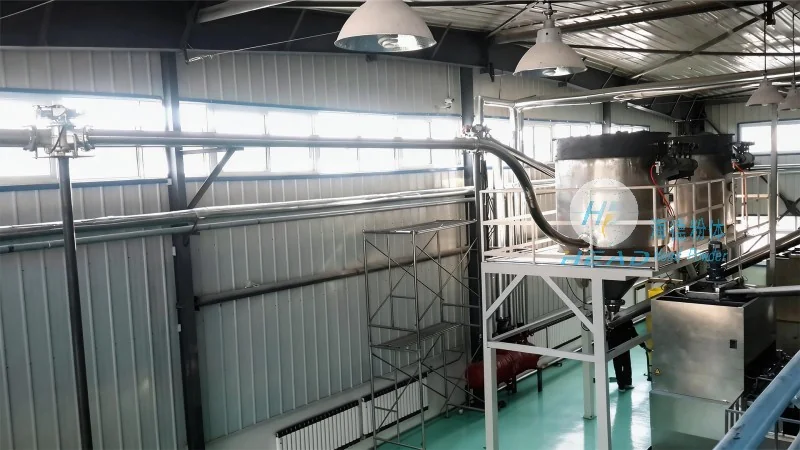
The application scenarios of foam material pneumatic conveying systems are diverse and tailored to industries requiring efficient and safe material transport. In the chemical industry, these systems are used for transporting reactive powders or those that require controlled exposure to air, ensuring minimal contamination and oxidation. The food and pharmaceutical sectors benefit from the hygienic design of the foam conveying lines, which are constructed from materials that meet strict sanitary standards, preventing cross-contamination and maintaining product integrity. Additionally, in the mining and mineral processing industries, foam systems are employed to handle abrasive or high-volume materials, reducing wear on equipment and improving overall throughput. The flexibility of the system allows it to adapt to different material types and processing requirements, making it a versatile solution for various industrial challenges. For example, in chemical processing, foam conveying can be used to transport catalysts or reactive chemicals without the risk of premature reaction due to air exposure. In food processing, the system ensures that powders like flour or sugar are transported hygienically, avoiding contamination from external sources.
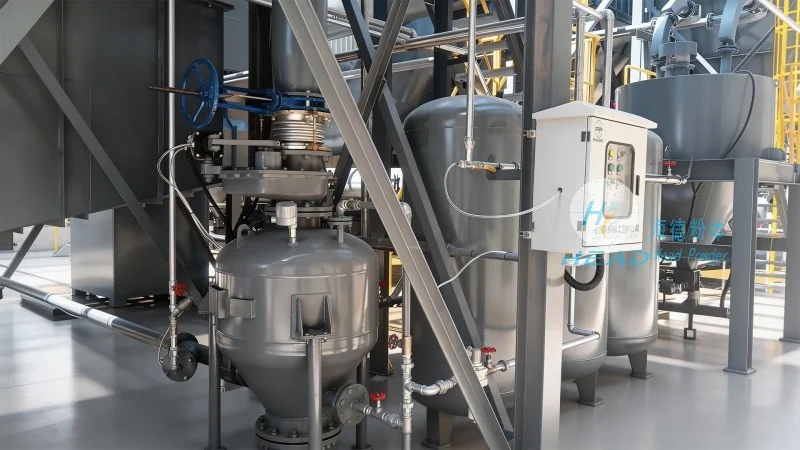
Key advantages of foam material pneumatic conveying systems include improved material flow characteristics, reduced equipment wear, and enhanced safety. The foam medium reduces the friction between material particles and the pipeline walls, minimizing abrasion and extending the lifespan of conveying components. Furthermore, the low pressure required for foam transport compared to traditional dense-phase systems results in lower energy consumption and operational costs. Safety is another critical aspect, as the foam mixture dilutes potentially hazardous materials, reducing the risk of dust explosions and improving workplace safety. The system also offers better control over material discharge, preventing overloading or blockages in downstream equipment. This control is particularly valuable in processes where precise material delivery is essential, such as in batching or mixing operations.
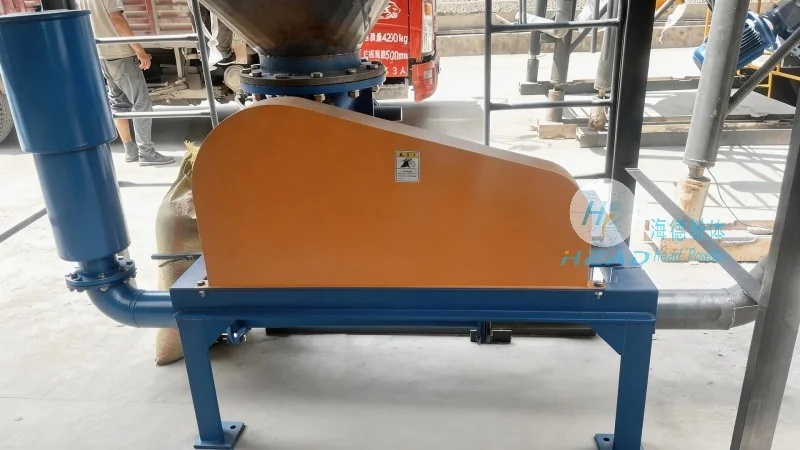
Shandong HeadPowder Engineering Co., Ltd. provides comprehensive solutions for foam material pneumatic conveying, integrating advanced technology with practical application expertise. By understanding the specific needs of each industry, the company designs and implements systems that optimize material transport while ensuring compliance with safety and operational standards. The foam material pneumatic conveying systems offered by HeadPowder are engineered to deliver reliable, efficient, and cost-effective material handling solutions for a wide range of industrial applications. From chemical processing to food and pharmaceutical manufacturing, the company's expertise in foam technology ensures that clients receive tailored systems that meet their unique material handling challenges. The result is improved productivity, reduced maintenance costs, and enhanced safety in industrial operations.

 Shandong Headpowder Engineering Co., Ltd.
 156-6277-7102(Manager Zhang)
  0531-83386006
  Zhangqiu District, Jinan City, Shandong Province, China
telephone
WeChatconsult
top