With more than 10‑year industry experience, Shandong Headpowder delivers full‑service pneumatic‑conveying systems and blowers, undertaking nationwide turn‑key powder‑handling projects.
HeadPowder, a leading engineering company based in Shandong, China, specializes in the design and implementation of advanced pneumatic conveying systems tailored for glass fiber materials. This article explores the fundamental principles behind pneumatic conveying and highlights key application scenarios where such systems excel in handling glass fiber powders and fibers efficiently and reliably.
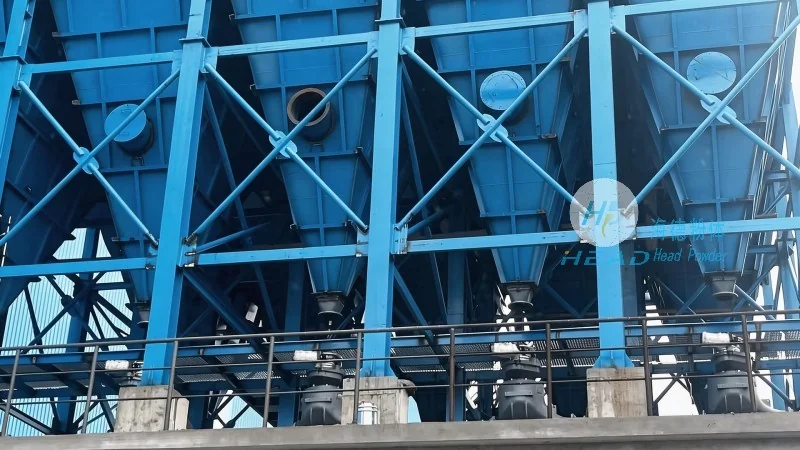
Pneumatic conveying, also known as air conveying, is a method of transporting bulk materials through a pipeline using a stream of air. For glass fiber materials, which are often lightweight, abrasive, and prone to static charge, the principle involves creating a pressure differential or using suction to move the material through the system. The process typically involves a hopper or feeder that introduces the glass fiber into the pipeline, where it is entrained by the air flow. This method eliminates the need for mechanical components like belts or screws, reducing maintenance and increasing operational efficiency.
The pneumatic conveying system for glass fiber materials consists of several critical components that work in tandem to ensure smooth material transport. These include the material feed hopper, which holds the glass fiber and regulates the flow rate; the conveying pipeline, which can be either positive pressure or negative pressure (or a combination of both, known as a mixed system); the air mover, such as a blower or fan, which generates the necessary air pressure or vacuum; and the control valves and filters that manage the air flow and prevent material buildup or contamination.
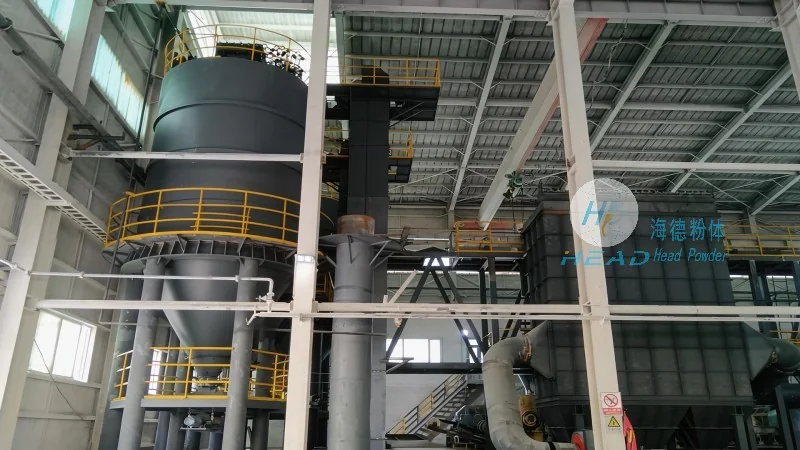
Implementing pneumatic conveying for glass fiber materials offers numerous advantages over traditional mechanical conveying methods. Firstly, it minimizes material degradation by reducing friction and impact during transport. Glass fibers are delicate and can easily break or become damaged when subjected to high friction or mechanical stress, so pneumatic systems provide a gentler handling environment. Secondly, the system is highly effective in preventing dust generation and controlling static electricity, which is crucial for maintaining material quality and ensuring workplace safety. Additionally, pneumatic conveying systems are versatile and can handle a wide range of glass fiber types, from fine powders to long fibers, with consistent performance. The ability to transport materials over long distances without the need for intermediate storage or transfer points also enhances operational efficiency and reduces downtime.
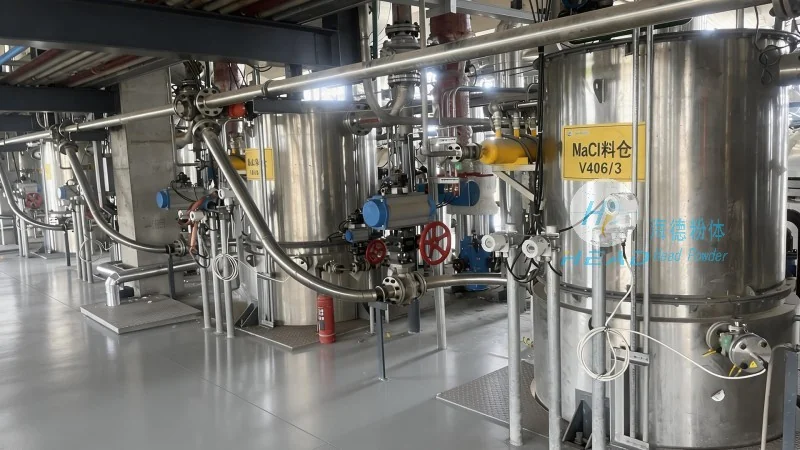
HeadPowder's pneumatic conveying solutions for glass fiber materials are widely applied in various industrial sectors, where the unique properties of glass fibers require specialized handling. One common application is in the manufacturing of composite materials, where glass fiber powders or chopped fibers are conveyed from storage silos to mixing and molding equipment. The systems ensure a consistent feed rate, which is essential for maintaining the quality and consistency of the composite products. Another key application is in the production of fiberglass insulation and reinforcement products, where long glass fibers are transported from winding machines to storage or processing areas. Pneumatic conveying systems are also used in the glass fiber coating and finishing processes, where fine powders are conveyed to coating lines to ensure uniform application. Furthermore, in the aerospace and automotive industries, where high-performance glass fiber composites are used, the reliability and precision of pneumatic conveying systems are critical for meeting stringent quality standards.
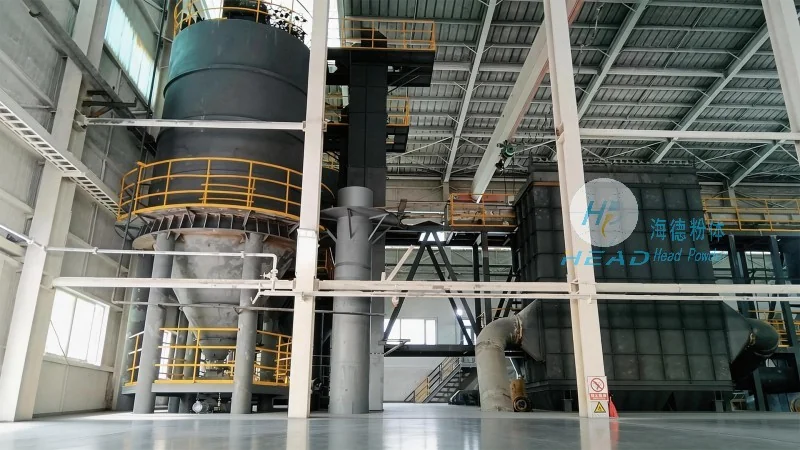
HeadPowder understands that each industrial application has unique requirements, and therefore, their pneumatic conveying systems are highly customizable to meet specific needs. The company works closely with clients to assess their material characteristics, processing requirements, and operational constraints to design a tailored system. This includes selecting the appropriate pipeline diameter, air pressure, and material feed rate to optimize performance and minimize energy consumption. Integration with existing production lines is also a key consideration, as HeadPowder ensures that the new pneumatic conveying system can seamlessly connect with current equipment without disrupting ongoing operations. The company also provides comprehensive support, including installation, commissioning, and ongoing maintenance services, to ensure that the system operates at peak efficiency throughout its lifecycle.
For industries dealing with glass fiber materials, pneumatic conveying offers a superior solution for efficient, reliable, and gentle material handling. HeadPowder's expertise in designing and implementing these systems ensures that clients can benefit from the advantages of pneumatic conveying, including reduced material degradation, improved safety, and enhanced operational efficiency. By leveraging the core principles of pneumatic conveying and customizing systems to meet specific application needs, HeadPowder provides effective solutions that support the production of high-quality glass fiber products across various industries.

 Shandong Headpowder Engineering Co., Ltd.
 156-6277-7102(Manager Zhang)
  0531-83386006
  Zhangqiu District, Jinan City, Shandong Province, China
telephone
WeChatconsult
top