With more than 10‑year industry experience, Shandong Headpowder delivers full‑service pneumatic‑conveying systems and blowers, undertaking nationwide turn‑key powder‑handling projects.
Asphalt powder material pneumatic conveying machines are essential equipment in the construction and material handling industries, designed to efficiently transport bulk materials like asphalt powder through an air-based system. Understanding the operation process and working principle of these machines is crucial for optimizing performance and ensuring reliable material transfer. This article provides a detailed overview of how these systems function, highlighting key components, operational steps, and the technical principles behind their operation.
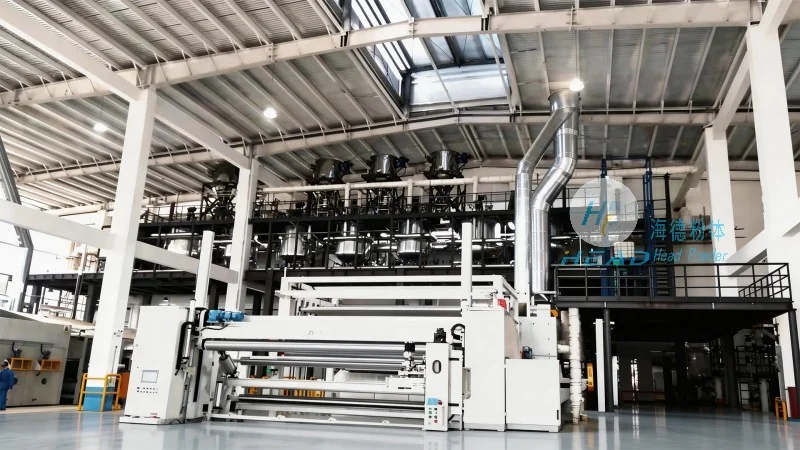
HeadPowder, a leading manufacturer based in Shandong, China, specializes in the design and production of advanced pneumatic conveying equipment for various industrial applications. The company’s expertise lies in developing customized solutions that meet the specific needs of clients, ensuring high efficiency, durability, and safety in material handling processes. The asphalt powder pneumatic conveying machine is a critical component in asphalt production lines, where it facilitates the seamless transfer of raw materials from storage to processing units.
The asphalt powder pneumatic conveying machine consists of several interconnected components that work in harmony to achieve efficient material transport. These include the material hopper, air compressor, conveying pipeline, control system, and discharge unit. The material hopper is responsible for storing the asphalt powder and feeding it into the system. The air compressor generates the necessary air pressure to create a flow of air through the pipeline. The conveying pipeline, typically made of stainless steel or other corrosion-resistant materials, ensures the safe and efficient transport of the material. The control system monitors and regulates the air pressure, flow rate, and material feed rate to maintain optimal operation. The discharge unit collects the material at the destination point, completing the conveying process.
The operation process of the asphalt powder pneumatic conveying machine involves several sequential steps. First, the asphalt powder is loaded into the material hopper. The control system then activates the air compressor, which starts to generate compressed air. The compressed air is introduced into the conveying pipeline, creating a positive pressure environment. Simultaneously, the material feed mechanism in the hopper begins to discharge the asphalt powder into the pipeline. The air and material mixture travels through the pipeline to the discharge point. At the destination, the material is separated from the air, often through a cyclone separator or a filter, and collected in a storage bin or processing unit. The control system continuously monitors the pressure and flow rates, adjusting the air compressor and feed rate as needed to maintain a stable and efficient conveying process. This process ensures that the asphalt powder is transported with minimal loss and maximum efficiency, reducing downtime and operational costs.
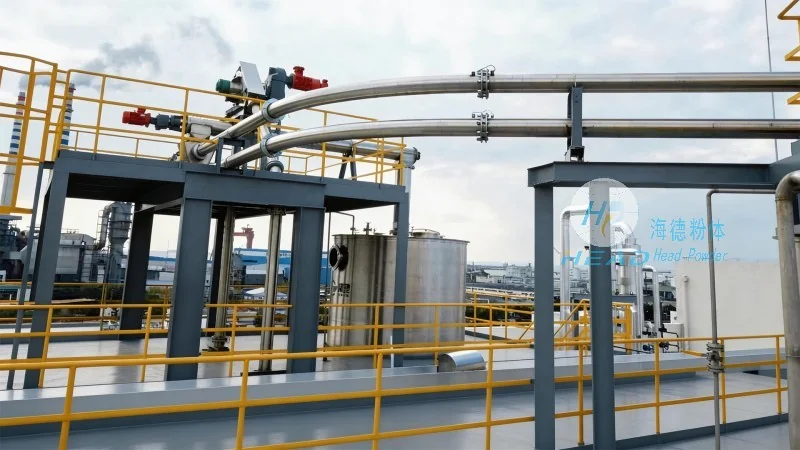
The working principle of the asphalt powder pneumatic conveying machine is based on the fundamental concept of air-based material transport. There are two main types of pneumatic conveying systems: positive pressure and negative pressure. In positive pressure systems, the air compressor supplies compressed air to the pipeline, creating a pressure higher than the ambient air pressure. This pressure forces the material to move through the pipeline. In negative pressure systems, the air is drawn out of the pipeline using a vacuum pump, creating a lower pressure than the ambient air, which pulls the material into the pipeline. For asphalt powder, positive pressure systems are commonly used due to their ability to handle abrasive materials and provide consistent flow rates. The air flow in the pipeline creates a drag force on the particles of asphalt powder, lifting them and carrying them along the pipeline. The velocity of the air and the size of the particles determine the efficiency of the conveying process. Proper design of the pipeline diameter, air velocity, and material feed rate is critical to achieving optimal performance and preventing blockages or material degradation.
Using a pneumatic conveying machine for asphalt powder offers several advantages over traditional methods like belt conveyors or manual handling. These include reduced material handling time, improved safety by eliminating manual handling of bulk materials, and enhanced hygiene in processing environments. The system also minimizes material loss and contamination, as the material is enclosed within the pipeline, preventing exposure to external elements. Additionally, pneumatic conveying systems are flexible and can be easily integrated into existing production lines, allowing for modular expansion and adaptation to changing production requirements. The efficiency of these systems results in lower operational costs and increased productivity, making them a preferred choice for modern asphalt production facilities.
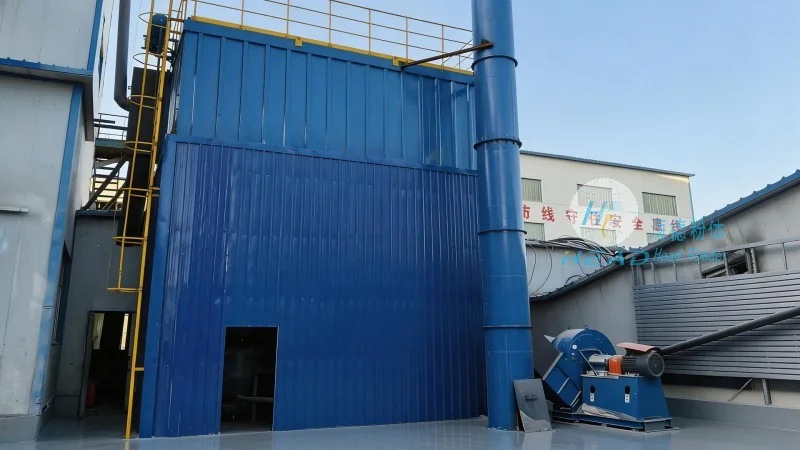
Asphalt powder pneumatic conveying machines play a vital role in the asphalt production process, particularly in the handling of raw materials such as limestone, sand, and other aggregates. The machine efficiently transports these materials from storage silos to the mixing plant, ensuring a consistent supply of raw materials for the production of asphalt. This seamless material transfer is crucial for maintaining the quality and consistency of the final asphalt product. The system also supports the integration of other processing equipment, such as crushers and screens, by providing a reliable and efficient means of material transport. HeadPowder’s pneumatic conveying machines are designed to meet the specific demands of asphalt production, with features like high-pressure air systems and durable materials to withstand the abrasive nature of asphalt powder.
Proper maintenance and operational considerations are essential to ensure the long-term performance and reliability of asphalt powder pneumatic conveying machines. Regular inspection of the air compressor, pipeline, and control system is necessary to detect and address any issues before they cause system failure. The material hopper and feed mechanism should be cleaned regularly to prevent clogging and material buildup. The air filter and cyclone separator should be checked and replaced as needed to maintain air quality and prevent dust accumulation. Operational parameters such as air pressure, flow rate, and material feed rate should be monitored and adjusted as required to optimize performance. Proper training of operators on the system’s operation and maintenance is also crucial to ensure safe and efficient operation. By following these guidelines, users can maximize the lifespan and efficiency of their pneumatic conveying machines, reducing maintenance costs and ensuring consistent material transfer.
Asphalt powder material pneumatic conveying machines are advanced industrial equipment that offer efficient, safe, and reliable transport of bulk materials in asphalt production and other industries. The operation process involves sequential steps from material loading to discharge, while the working principle is based on air-based transport, utilizing positive pressure systems for optimal performance. HeadPowder, with its expertise in manufacturing such equipment, provides high-quality solutions that meet the specific needs of clients. By understanding the key components, operation process, and working principles of these machines, users can optimize their material handling processes, reduce costs, and enhance overall productivity. The adoption of pneumatic conveying systems is a strategic investment for modern industrial operations, ensuring sustainable and efficient material transport in the construction and related industries.

 Shandong Headpowder Engineering Co., Ltd.
 156-6277-7102(Manager Zhang)
  0531-83386006
  Zhangqiu District, Jinan City, Shandong Province, China
telephone
WeChatconsult
top