With more than 10‑year industry experience, Shandong Headpowder delivers full‑service pneumatic‑conveying systems and blowers, undertaking nationwide turn‑key powder‑handling projects.
The pneumatic conveying machine designed for sodium dithionite material is a specialized equipment used in industrial applications to transport this chemical efficiently. Sodium dithionite, also known as hydrosulfite, is a white crystalline powder with strong reducing properties, widely used in the textile, paper, and food industries. The efficient handling of this material is crucial for maintaining production efficiency and safety in processing facilities. This article provides an overview of the operation process and working principle of the pneumatic conveying machine tailored for sodium dithionite, highlighting its design features, operational steps, and the technical aspects that ensure reliable material transport.
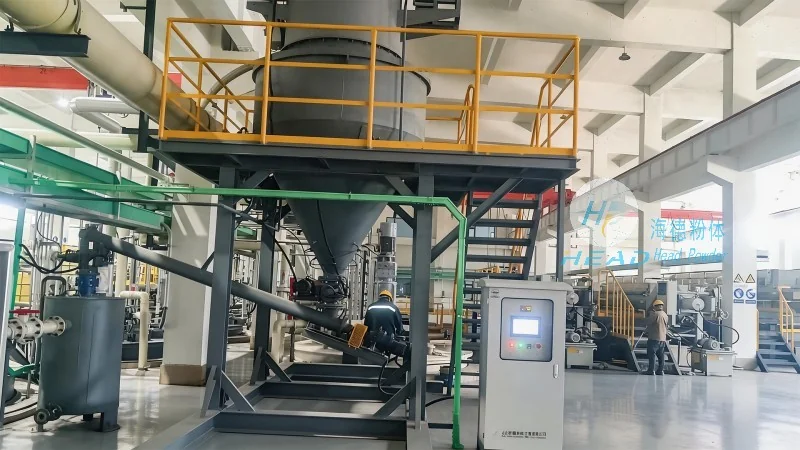
HeadPowder, the manufacturer of this advanced pneumatic conveying system, is a leading engineering company based in Shandong, China. With years of experience in chemical processing equipment design and manufacturing, HeadPowder specializes in providing customized solutions for material handling and processing. The company's commitment to quality, innovation, and customer satisfaction has established it as a trusted partner in the industry. The pneumatic conveying machine for sodium dithionite is a product of their engineering expertise, combining robust construction with efficient performance to meet the demanding requirements of modern industrial operations.
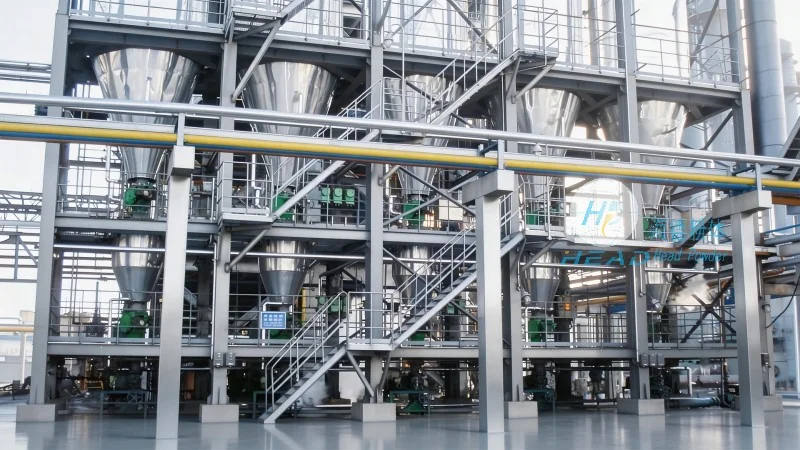
The pneumatic conveying machine for sodium dithionite consists of several key components that work in harmony to achieve effective material transport. The system typically includes a hopper for material storage, a feeder to control the flow rate, a conveying pipeline, a venturi or airlock for air and material mixing, and a receiver for the discharged material. The design of each component is optimized to handle the specific characteristics of sodium dithionite, such as its fine particle size and hygroscopic nature. The hopper is equipped with a discharge valve to regulate the material flow, while the feeder ensures a consistent and controlled feed rate, preventing blockages and ensuring smooth operation. The conveying pipeline is made of corrosion-resistant materials, such as stainless steel, to withstand the chemical properties of sodium dithionite and maintain hygiene standards. The venturi or airlock mechanism is crucial for creating the necessary air pressure and flow to move the material through the pipeline, with adjustable settings to accommodate different material loads and conveying distances.

The operation process of the pneumatic conveying machine for sodium dithionite involves several sequential steps that ensure efficient and safe material transport. The process begins with the loading of sodium dithionite into the hopper. The material is then fed into the conveying pipeline through the feeder, which controls the flow rate based on the desired conveying capacity. Simultaneously, compressed air is introduced into the system, creating a high-pressure environment that propels the material through the pipeline. The air and material mixture travels through the pipeline, with the venturi or airlock mechanism ensuring the proper air-to-material ratio for effective transport. The material is then discharged into the receiver at the end of the pipeline. The entire process is automated, with sensors and controls monitoring the flow rate, pressure, and material level to maintain optimal performance. The system is designed to operate continuously, with minimal downtime for maintenance, ensuring consistent production output.
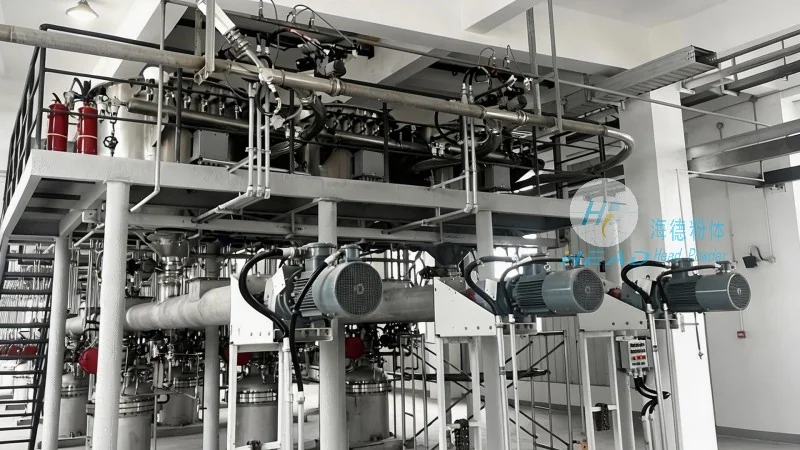
The working principle of the pneumatic conveying machine for sodium dithionite is based on the principles of fluid dynamics and air pressure. The system uses compressed air as the conveying medium to transport the material. When compressed air is introduced into the conveying pipeline, it creates a low-pressure zone that draws the material from the hopper into the pipeline. The air and material mixture then moves through the pipeline due to the pressure difference between the inlet and outlet. The venturi or airlock mechanism enhances the air flow, ensuring that the material is carried along with the air stream. The speed and pressure of the air are carefully controlled to prevent material degradation, clogging, or loss of material. The system is designed to handle both dilute phase and dense phase conveying, depending on the application requirements. Dilute phase conveying is used for short distances and low material loads, while dense phase conveying is used for longer distances and higher material loads, providing better control and efficiency.

 Shandong Headpowder Engineering Co., Ltd.
 156-6277-7102(Manager Zhang)
  0531-83386006
  Zhangqiu District, Jinan City, Shandong Province, China
telephone
WeChatconsult
top