With more than 10‑year industry experience, Shandong Headpowder delivers full‑service pneumatic‑conveying systems and blowers, undertaking nationwide turn‑key powder‑handling projects.
HeadPowder, a leading manufacturer based in Shandong, China, specializes in the design and production of advanced pneumatic conveying systems tailored for handling sponge sand materials. This equipment is engineered to efficiently transport bulk materials through an air-driven system, ensuring reliable and low-maintenance operation. The following sections will detail the operational process and underlying principles of such systems.
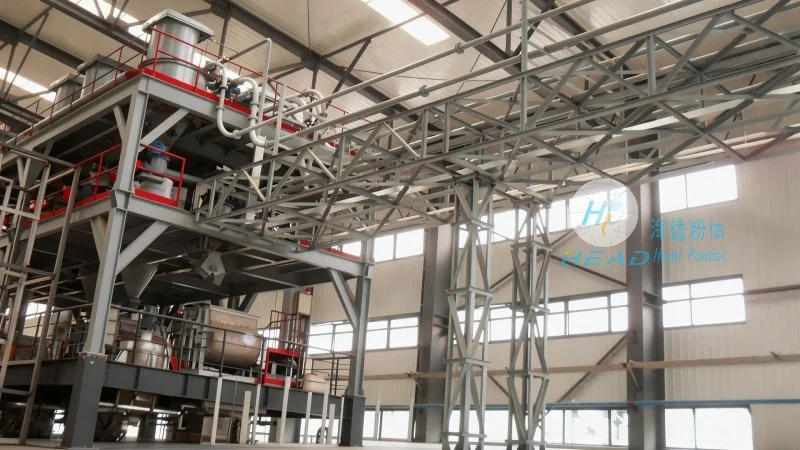
The pneumatic conveying equipment for sponge sand materials typically consists of several critical components that work in concert to achieve effective material transport. These include the material hopper, which serves as the storage and feeding unit; the air compressor or blower, responsible for generating the necessary air pressure; the conveying pipeline, which transports the material; and the discharge unit, where the material is released at the destination. Each component plays a vital role in maintaining the system's efficiency and performance.
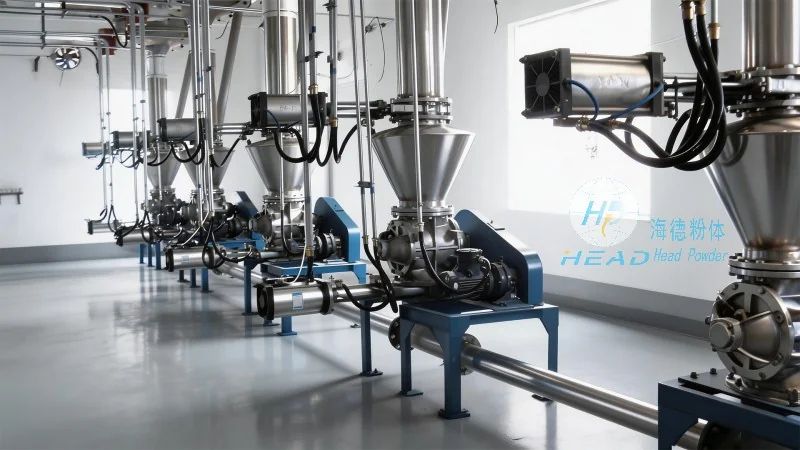
The operation of the pneumatic conveying system for sponge sand materials relies on the principle of air pressure to move the material. The process begins with the material being fed from the hopper into the pipeline. Simultaneously, the air compressor supplies compressed air into the pipeline, creating a pressure differential. This pressure differential propels the sponge sand particles through the pipeline, allowing for continuous and controlled transport. The system can operate in either positive or negative pressure modes, depending on the specific requirements of the application. Positive pressure systems use compressed air to push the material, while negative pressure systems use suction to draw the material. For sponge sand, a positive pressure system is often preferred due to the material's properties and the need for consistent flow.
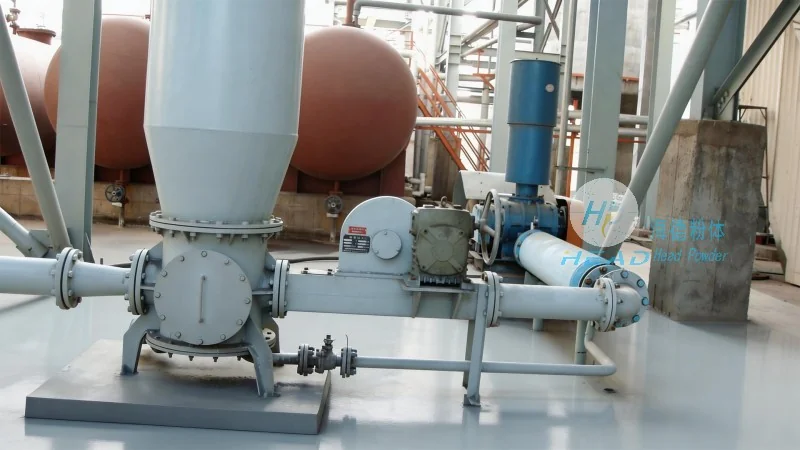
The operational process of the pneumatic conveying equipment for sponge sand materials can be broken down into several key steps. First, the sponge sand is loaded into the material hopper, ensuring an adequate supply for continuous operation. Next, the air compressor is activated, and the system is pressurized. The material is then released from the hopper into the pipeline, where it is entrained by the air flow. The conveying pipeline transports the material to the discharge point, which may be a storage silo, processing unit, or other destination. At the discharge point, the material is separated from the air, typically through a cyclone separator or other filtration device. The separated air is then returned to the system or released, while the sponge sand is collected for further use. This cycle repeats continuously, enabling the system to handle large volumes of material with minimal manual intervention.
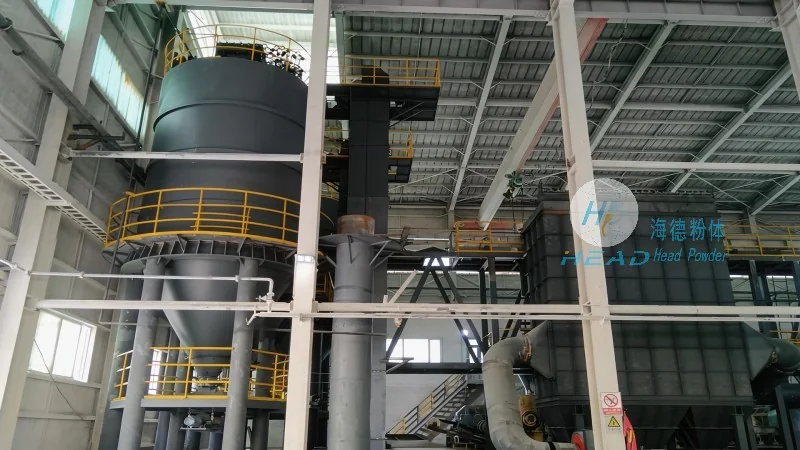
Using pneumatic conveying equipment for sponge sand offers several advantages over traditional methods such as belt conveyors or bucket elevators. These systems provide a dust-free and enclosed transport environment, reducing the risk of material contamination and improving workplace safety. Additionally, pneumatic conveying systems are highly flexible, allowing for changes in material flow direction and destination without significant modifications. The equipment is also relatively compact, making it suitable for installations with limited space. However, there are considerations to keep in mind, such as the need for proper air filtration to prevent dust accumulation and the importance of maintaining consistent air pressure to ensure smooth material transport. Regular maintenance of the air compressor and pipeline is essential to prevent system downtime and ensure long-term reliability.

 Shandong Headpowder Engineering Co., Ltd.
 156-6277-7102(Manager Zhang)
  0531-83386006
  Zhangqiu District, Jinan City, Shandong Province, China
telephone
WeChatconsult
top