

Operation Process and Working Principle of Potassium Carbonate Material Pneumatic Conveying Equipmen
At Shandong HeadPowder Engineering Co., Ltd., we specialize in the design, manufacturing, and implementation of advanced pneumatic conveying systems tailored for handling potassium carbonate materials. These systems are engineered to ensure efficient, safe, and reliable material transport, addressing the unique challenges associated with potassium carbonate's physical properties and processing requirements. The following sections detail the operational process and underlying principles that govern the performance of our pneumatic conveying equipment.
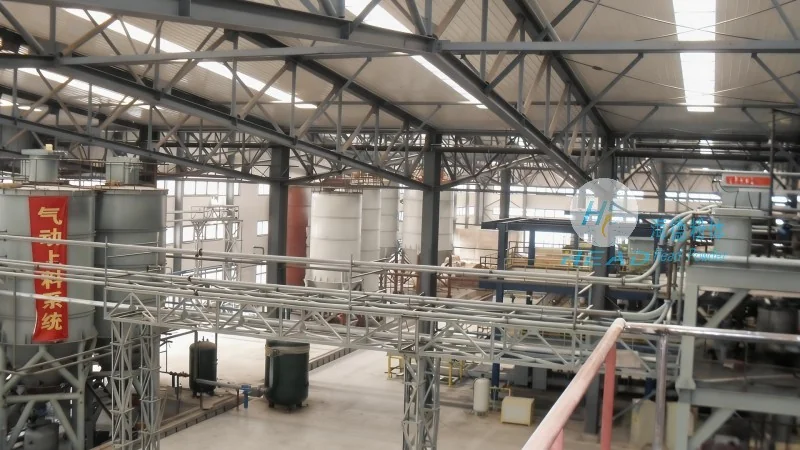
Key Components of the Pneumatic Conveying System
The core components of a potassium carbonate pneumatic conveying system include the material hopper, feeder, air compressor, conveying pipeline, and dust collector. Each component plays a critical role in the overall system's functionality. The material hopper is designed to store and feed the potassium carbonate powder into the system, ensuring a consistent flow rate. The feeder, typically a rotary valve or screw feeder, regulates the material discharge from the hopper, controlling the feed rate to match the system's air flow capacity. The air compressor generates the necessary air pressure to move the material through the pipeline, with the pressure level determined by the material's density, particle size, and the conveying distance. The conveying pipeline, often made of stainless steel or other corrosion-resistant materials, transports the material and air mixture. Finally, the dust collector captures any airborne particles, ensuring compliance with environmental regulations and maintaining a clean working environment.
Operation Process of the Pneumatic Conveying Equipment
The operation process of our potassium carbonate pneumatic conveying equipment begins with material loading into the hopper. Once the hopper is filled, the feeder starts to discharge the potassium carbonate powder at a controlled rate. Simultaneously, the air compressor activates, producing a high-pressure air stream that enters the conveying pipeline. The air stream, combined with the material from the feeder, creates a mixture that is propelled through the pipeline to the destination point, such as a storage silo or processing unit. The system continuously monitors the pressure and flow rates to maintain optimal performance, adjusting the feeder speed or air pressure as needed to prevent blockages or material degradation. The dust collector operates in parallel, capturing any fine particles that escape the pipeline, ensuring that the exhaust air is clean and safe for release into the environment. The entire process is automated, with sensors and control systems providing real-time feedback to maintain consistent operation and minimize downtime.
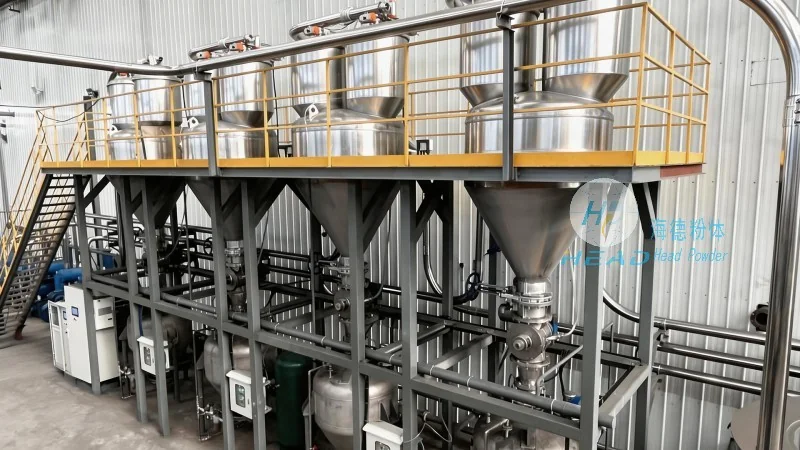
Working Principle of the Pneumatic Conveying System
The working principle of the pneumatic conveying system for potassium carbonate relies on the fundamental concept of fluidization and particle suspension. As the high-pressure air flows through the conveying pipeline, it creates a low-pressure zone that draws the material particles into the air stream. The air velocity is maintained above the material's terminal velocity, ensuring that the particles remain suspended and transported without settling. The system utilizes either positive pressure or negative pressure (or a combination of both) depending on the application requirements. Positive pressure systems, where air is forced through the pipeline, are commonly used for long-distance or high-volume conveying, while negative pressure systems, where air is drawn through the pipeline, are suitable for short-distance or dusty environments. The design of the system, including the pipeline diameter, air velocity, and material feed rate, is optimized to balance efficiency, energy consumption, and material handling capacity. The principles of fluid dynamics and particle mechanics are applied to ensure that the conveying process is efficient, with minimal energy loss and material degradation. The system's performance is further enhanced by the use of specialized components, such as pulse jet filters in the dust collector, which effectively remove fine particles and maintain system efficiency over time.
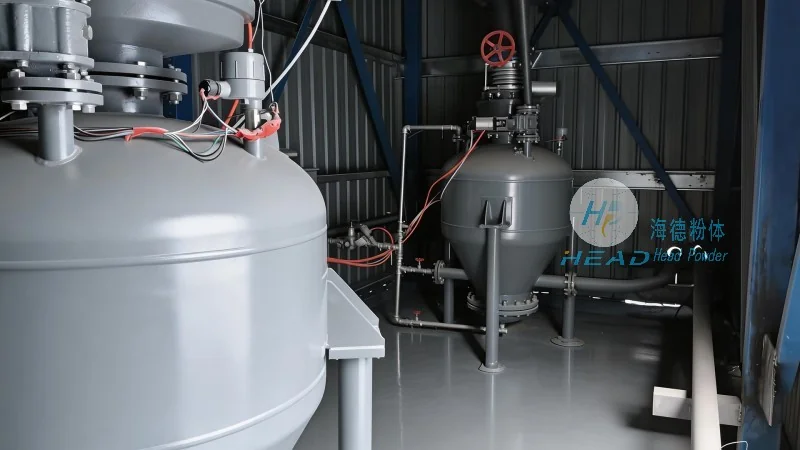
Advantages of Using Pneumatic Conveying for Potassium Carbonate
Implementing a pneumatic conveying system for potassium carbonate offers several advantages over traditional methods like belt conveyors or bucket elevators. First, the system provides a fully enclosed and dust-free environment, which is critical for maintaining product quality and compliance with environmental regulations. The enclosed design prevents material contamination and reduces the risk of dust exposure to personnel. Second, pneumatic conveying systems are highly flexible, allowing for multiple destination points and easy integration with existing processing equipment. The ability to route the material to different locations without the need for additional equipment makes the system versatile and cost-effective. Third, the system offers high efficiency and low energy consumption compared to other conveying methods. The use of high-pressure air and optimized pipeline design minimizes energy loss, resulting in lower operational costs. Additionally, the system is capable of handling a wide range of material characteristics, including varying particle sizes, moisture content, and bulk density, making it suitable for diverse potassium carbonate applications. The automated control systems further enhance operational efficiency, reducing the need for manual intervention and minimizing downtime.
Customization and Application Considerations
At Shandong HeadPowder Engineering Co., Ltd., we understand that each potassium carbonate application has unique requirements. Therefore, our pneumatic conveying systems are customizable to meet specific operational needs. Factors such as the conveying distance, material flow rate, and environmental conditions are considered during the design phase to ensure optimal performance. For example, longer conveying distances may require higher air pressure or larger pipeline diameters to maintain material suspension. The material's particle size and density also influence the system design, as finer particles may require higher air velocities to prevent settling. Additionally, the system's integration with existing processing equipment is carefully planned to ensure seamless operation and minimal disruption to the production process. Our engineering team works closely with clients to assess their specific needs and provide tailored solutions that maximize efficiency and reliability. Whether for bulk handling, transfer between processing units, or storage, our pneumatic conveying systems are designed to deliver consistent performance and meet the highest standards of material handling.