With more than 10‑year industry experience, Shandong Headpowder delivers full‑service pneumatic‑conveying systems and blowers, undertaking nationwide turn‑key powder‑handling projects.
For industrial applications involving the handling of sintered dust, the selection of an appropriate conveying system is crucial for efficiency, safety, and operational reliability. Among the various options available, sintered dust pneumatic conveying equipment stands out as a specialized solution designed to manage the unique characteristics of this material. This article aims to provide a comprehensive overview of what this equipment is and the underlying design principles that govern its operation, with a focus on the expertise of Shandong HeadPowder Engineering Co., Ltd. (commonly known as HeadPowder), a leading manufacturer based in Shandong, China.
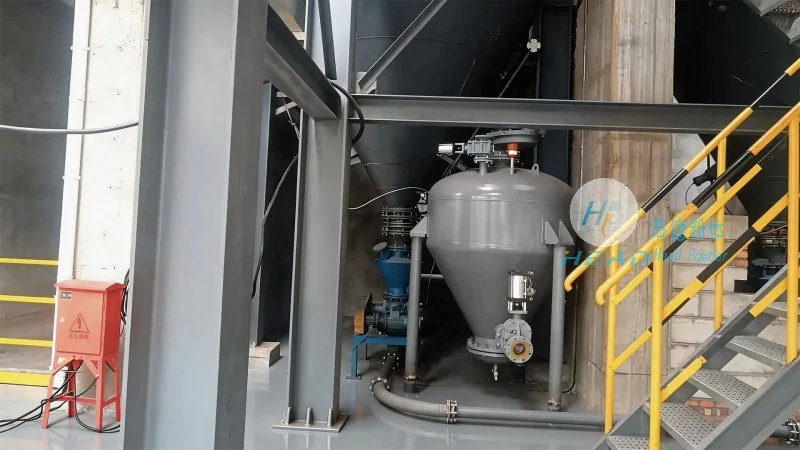
Sintered dust, often produced in processes such as sintering in metallurgy or ceramics, is a fine particulate material that requires careful handling due to its potential for dust explosion risks and the need for controlled dispersion. Pneumatic conveying systems use compressed air or other gases to transport these powders through pipelines, offering advantages like dust suppression, reduced material degradation, and the ability to handle materials in a closed system. The sintered dust pneumatic conveying equipment specifically engineered for this application integrates components that address the challenges posed by sintered dust, including high moisture content, abrasive properties, and the need for precise control over flow rates and pressure.
The core of any sintered dust pneumatic conveying system consists of several interconnected components, each playing a vital role in the overall operation. The primary components typically include a feeding device, a conveying line (pipeline), a separation unit, and a collection system. The feeding device, such as a rotary valve or a screw feeder, ensures a consistent and controlled feed of sintered dust into the system, preventing blockages and maintaining uniform flow. The conveying line, often made of corrosion-resistant materials like stainless steel or polyethylene, transports the material under pressure. The separation unit, which may be a cyclone separator or a filter, separates the conveyed dust from the air stream, allowing the dust to be collected and the clean air to be discharged. The collection system, such as a hopper or a bag filter, stores the collected sintered dust for further processing or disposal.
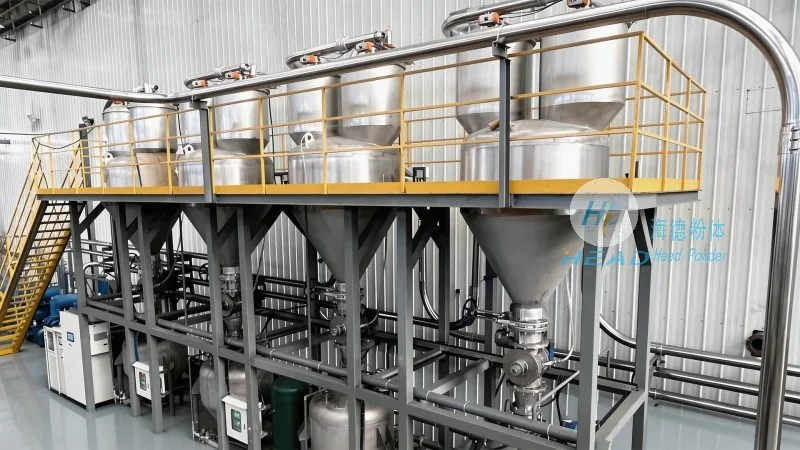
The design of sintered dust pneumatic conveying equipment is guided by several key principles aimed at optimizing performance and ensuring safety. One of the fundamental principles is the maintenance of a consistent air flow rate, which directly impacts the conveying velocity and the ability to handle the material's properties. The velocity of the air stream must be sufficient to prevent material settling in the pipeline but not so high as to cause excessive wear on the equipment or energy waste. This balance is achieved through careful calculation of the material's bulk density, particle size distribution, and the desired conveying distance. Another critical principle is the control of pressure and vacuum levels within the system. Proper pressure management ensures that the material is transported without clogging, while vacuum control is essential for the return of air or for handling materials that require a negative pressure environment. Additionally, the design incorporates features to minimize dust emissions and explosions, such as explosion-proof valves, flame arrestors, and proper grounding. These safety measures are in line with industry standards and regulations, ensuring compliance and operational safety.
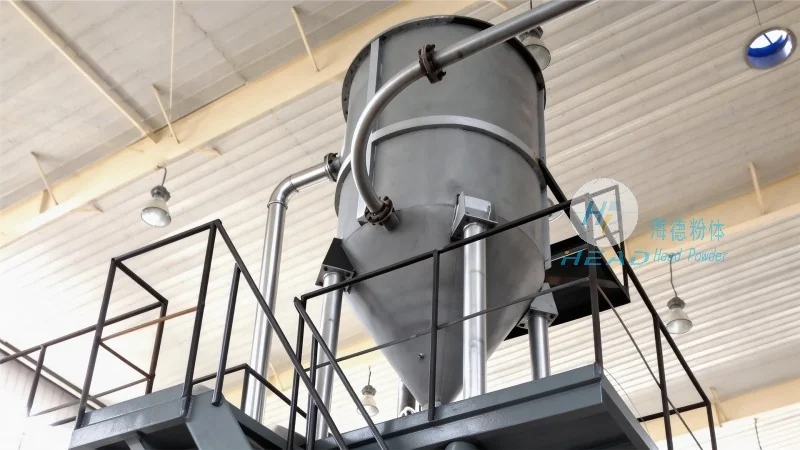
Implementing sintered dust pneumatic conveying equipment offers several advantages over traditional methods like belt conveyors or manual handling. The primary benefit is the reduction of dust exposure for operators, as the material is conveyed in a closed system, minimizing the risk of inhalation and environmental contamination. This not only enhances workplace safety but also complies with environmental regulations regarding dust emissions. Another advantage is the ability to handle sintered dust in a hygienic and controlled manner, which is particularly important in industries like food processing or pharmaceuticals where material purity is paramount. The system also allows for flexible and scalable operations, as the conveying lines can be easily modified or expanded to accommodate changes in production volume or material types. Furthermore, the equipment can integrate with other processing systems, such as mixing or packaging lines, creating a seamless workflow that improves overall productivity.
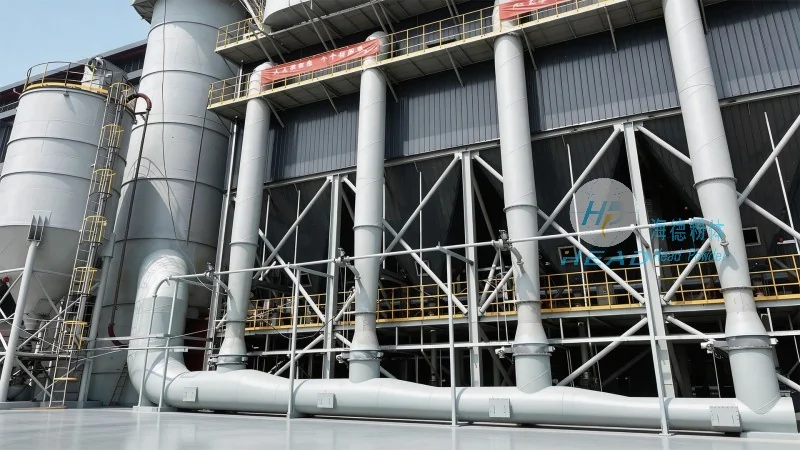
Sintered dust pneumatic conveying equipment is widely used across various industries that produce or handle sintered dust. In the metallurgical industry, it is commonly employed in the transportation of iron ore sinter, which is a key raw material for steel production. The equipment efficiently conveys the sintered ore from storage silos to the blast furnace, ensuring a continuous and reliable supply of material. In the ceramics industry, sintered dust is often used as a raw material for tile or pottery production, and the pneumatic conveying system helps in transporting this material from grinding mills to mixing and shaping equipment. Additionally, in the chemical industry, sintered dust from processes like chemical sintering can be conveyed to storage tanks or reactors, maintaining the integrity of the material and preventing contamination. These applications highlight the versatility and effectiveness of the equipment in diverse industrial settings.
In conclusion, sintered dust pneumatic conveying equipment is a specialized and essential tool for industries dealing with sintered dust, offering efficient, safe, and controlled material handling solutions. The design principles, components, and operational advantages of this equipment make it a preferred choice over traditional methods. Shandong HeadPowder Engineering Co., Ltd. (HeadPowder), with its expertise in engineering and manufacturing, provides high-quality sintered dust pneumatic conveying systems tailored to the specific needs of clients. By adhering to industry standards and incorporating advanced design features, the company ensures that its equipment delivers optimal performance and reliability, supporting the operational goals of its clients in various industrial sectors.

 Shandong Headpowder Engineering Co., Ltd.
 156-6277-7102(Manager Zhang)
  0531-83386006
  Zhangqiu District, Jinan City, Shandong Province, China
telephone
WeChatconsult
top