With more than 10‑year industry experience, Shandong Headpowder delivers full‑service pneumatic‑conveying systems and blowers, undertaking nationwide turn‑key powder‑handling projects.
HeadPowder, a leading engineering firm based in Shandong, China, specializes in the design, manufacturing, and installation of advanced pneumatic conveying systems for the cement industry. This article provides a detailed overview of the operation process and working principle of cement raw material powder pneumatic conveying lines, highlighting the key components, operational steps, and technical aspects that ensure efficient and reliable material transport.
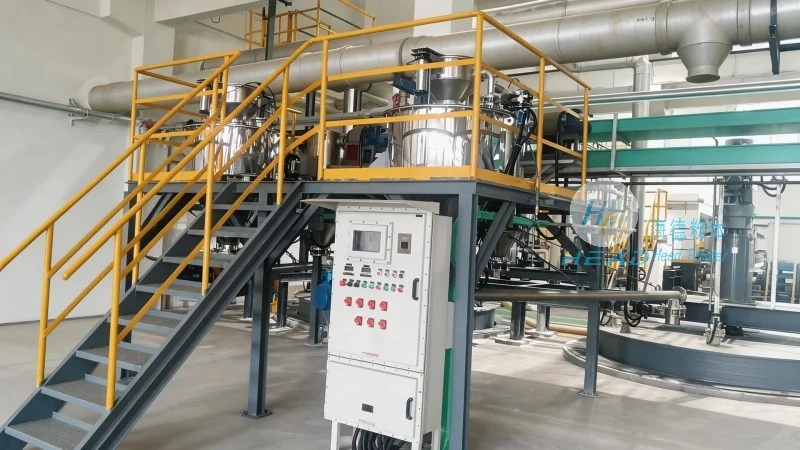
Pneumatic conveying lines are critical infrastructure in modern cement production facilities, responsible for transporting bulk raw materials such as limestone, clay, and iron ore from storage silos to the raw mill or preheater. These systems utilize air or gas as the conveying medium to move powders through pipelines, offering advantages like reduced dust, improved safety, and the ability to handle a wide range of particle sizes and moisture content. The efficiency of these systems directly impacts production throughput and overall plant performance, making it essential for cement manufacturers to understand their operation and maintenance requirements.
A typical cement raw material pneumatic conveying line consists of several interconnected components that work in tandem to ensure smooth material transport. These components include: (1) Material Hoppers or Silos, which store raw materials and provide a consistent feed to the system; (2) Feeders, such as rotary valves or screw feeders, that control the flow rate of the material into the conveying line; (3) Conveying Pipelines, which are made of durable materials like stainless steel or PVC to withstand the abrasive nature of cement powders; (4) Air Compressors or Blowers, which generate the necessary airflow to move the material through the system; (5) Control Valves and Regulators, which adjust air pressure and flow to optimize conveying efficiency; (6) Filters and Dust Collectors, which capture fine particles and maintain air quality; and (7) Discharge Hoppers or Mills, where the material is deposited for further processing.
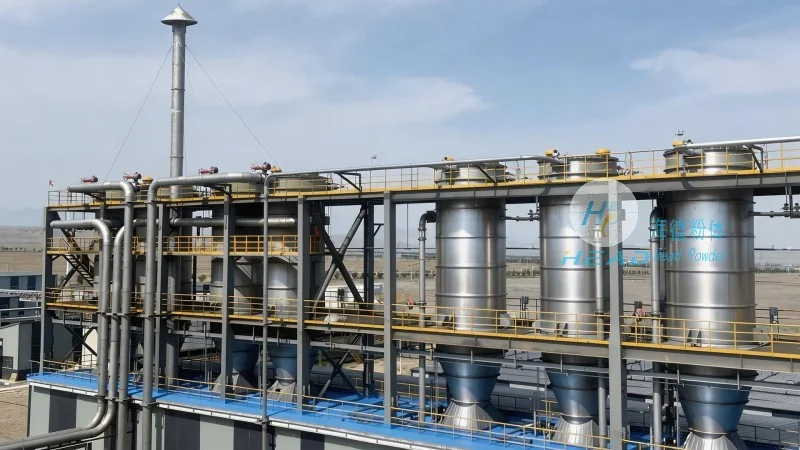
The operation of a cement raw material pneumatic conveying line follows a systematic sequence of steps to ensure continuous and efficient material transport. The process typically begins with the raw materials being stored in silos or hoppers. A feeder then regulates the flow of material from the storage vessel into the conveying line. Simultaneously, an air compressor or blower generates high-pressure air, which is introduced into the pipeline at the inlet of the conveying line. The material is then introduced into the pipeline, often via a venturi or a rotary valve, where it is entrained by the air stream and carried through the pipeline to the discharge point. The air and material mixture travels through the conveying pipelines, which may include bends, elbows, and vertical sections, before reaching the discharge hopper or the raw mill. At the discharge point, the material is separated from the air, typically using a cyclone or a filter, and the air is recirculated or vented to the atmosphere. The separated material is then collected and fed into the next stage of the cement production process.
The working principle of a cement raw material pneumatic conveying line is based on the fundamental concept of fluidization and suspension of particles in a gas stream. When air is introduced into the conveying pipeline at a sufficient velocity, it creates a low-pressure zone that draws the material particles into the air stream. The particles become suspended in the air, forming a dense phase or a dilute phase depending on the air velocity and particle size. The key to efficient conveying is maintaining an optimal air-to-material ratio, which balances the energy consumption with the conveying capacity. The system operates by continuously feeding material and air into the pipeline, ensuring a steady flow of material to the discharge point. The control system monitors parameters such as pressure, flow rate, and material level, adjusting the air supply and feeder speed to maintain optimal operation. This dynamic control ensures that the conveying line operates at peak efficiency, minimizing energy consumption and maximizing material throughput.

Implementing a pneumatic conveying system for cement raw materials offers several advantages over traditional mechanical conveying methods. These include reduced dust generation, which improves workplace safety and environmental compliance; lower maintenance costs due to fewer moving parts; and the ability to handle materials with high moisture content or abrasive properties. However, the system also requires careful consideration of several factors to ensure optimal performance. These include selecting the appropriate air velocity and pressure to prevent material degradation or pipeline blockage, ensuring proper sealing to prevent air leakage, and maintaining the system's components to prevent wear and tear. Additionally, the design of the conveying line must account for the specific characteristics of the raw materials, such as particle size distribution, density, and flowability, to avoid issues like pipeline clogging or uneven material distribution.
Efficient and reliable pneumatic conveying lines are essential for modern cement production, enabling manufacturers to optimize their raw material handling processes and improve overall plant performance. HeadPowder Engineering Co., Ltd., with its headquarters in Shandong, China, has extensive experience in designing and implementing customized pneumatic conveying solutions tailored to the specific needs of cement manufacturers. By leveraging advanced engineering techniques and high-quality materials, HeadPowder ensures that its pneumatic conveying systems meet the stringent requirements of the cement industry, providing long-term reliability and operational efficiency. For cement producers seeking to enhance their material handling capabilities, HeadPowder offers comprehensive solutions that address the unique challenges of transporting raw materials in a safe, efficient, and cost-effective manner.

 Shandong Headpowder Engineering Co., Ltd.
 156-6277-7102(Manager Zhang)
  0531-83386006
  Zhangqiu District, Jinan City, Shandong Province, China
telephone
WeChatconsult
top