With more than 10‑year industry experience, Shandong Headpowder delivers full‑service pneumatic‑conveying systems and blowers, undertaking nationwide turn‑key powder‑handling projects.
Pneumatic conveying technology plays a crucial role in the efficient handling and transportation of desulfurization and dust removal ash materials. This article delves into the fundamental principles behind this process and highlights the key characteristics of its working scenarios, providing a comprehensive overview for professionals in the field.
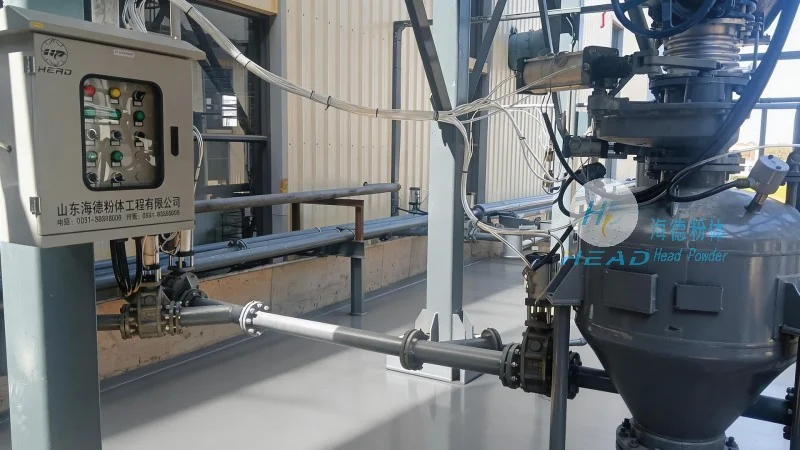
The primary principle of pneumatic conveying for desulfurization and dust removal ash materials is the use of air flow to transport particulate materials through a pipeline system. This method eliminates the need for mechanical components such as belts or buckets, offering a more flexible and efficient solution for handling bulk materials. The process typically involves creating a pressure or vacuum differential within the pipeline, which propels the ash particles along the path. Key factors influencing the effectiveness of this system include the particle size distribution, moisture content, and density of the ash, as well as the air velocity and pressure settings. By optimizing these parameters, operators can achieve reliable and consistent material transport, minimizing issues like blockages or material degradation.
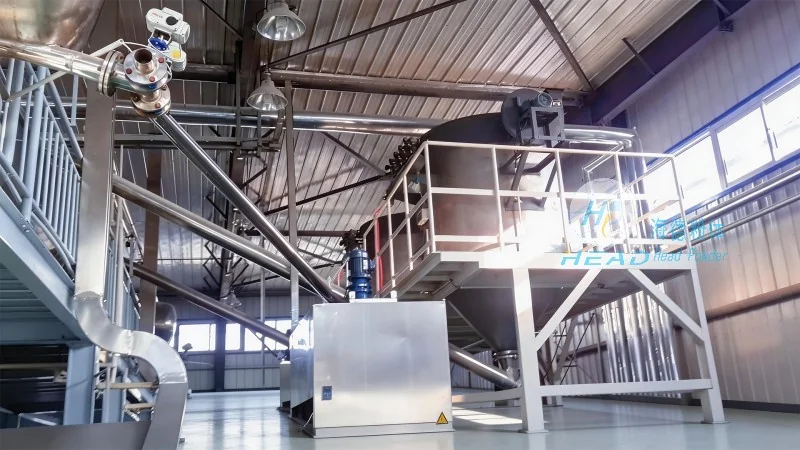
The working scenarios for pneumatic conveying of desulfurization and dust removal ash materials vary based on the specific industrial applications and site conditions. These systems are commonly employed in power plants, where large volumes of ash are generated during the flue gas treatment process. The characteristics of such working environments include high material throughput, continuous operation, and the need for dust control measures to comply with environmental regulations. In these settings, the pneumatic conveying system must be designed to handle the abrasive nature of the ash, which can cause wear on the pipeline and equipment components. Additionally, the system must be integrated with the existing flue gas treatment infrastructure, ensuring seamless material transfer from the dust collector to the storage or disposal facilities. The flexibility of pneumatic conveying allows for the adaptation of the system to different plant layouts, whether it involves horizontal, vertical, or mixed pipeline configurations.
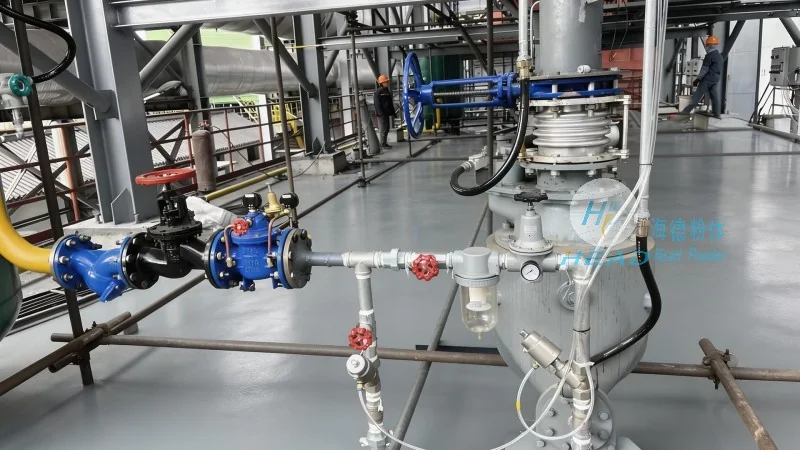
Implementing pneumatic conveying for desulfurization and dust removal ash materials offers several advantages, including reduced labor costs, improved safety by eliminating manual handling, and enhanced environmental compliance through controlled dust emission. However, there are also considerations to keep in mind, such as the initial investment costs for the system, the need for regular maintenance to prevent air leaks or blockages, and the potential for energy consumption due to the air compression requirements. The choice of conveying system—whether positive pressure, negative pressure, or a combination—depends on the specific site conditions and material characteristics. For example, positive pressure systems are often preferred for long-distance horizontal transport, while negative pressure systems may be more suitable for short vertical lifts or where dust containment is critical.
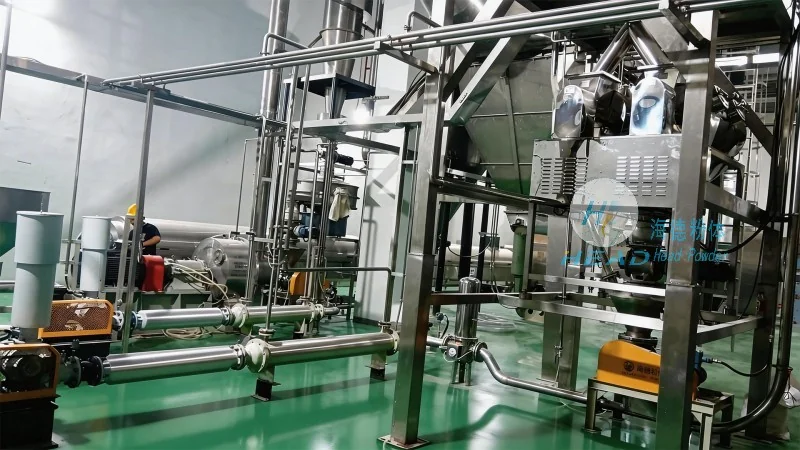
Shandong HeadPowder Engineering Co., Ltd., commonly known as HeadPowder, is a leading provider of specialized engineering solutions for material handling, including pneumatic conveying systems tailored for desulfurization and dust removal ash materials. With a strong presence in China, particularly in Shandong, the company has established itself as a trusted partner for industrial clients seeking reliable and efficient solutions for bulk material transport. HeadPowder’s expertise lies in designing and manufacturing customized pneumatic conveying systems that meet the unique requirements of each project, ensuring optimal performance and longevity. The company’s commitment to quality and innovation has enabled it to serve a wide range of industries, from power generation to waste management, helping clients improve operational efficiency and reduce environmental impact.

 Shandong Headpowder Engineering Co., Ltd.
 156-6277-7102(Manager Zhang)
  0531-83386006
  Zhangqiu District, Jinan City, Shandong Province, China
telephone
WeChatconsult
top