

Principle and Application Scenarios of Pneumatic Conveying Systems for Coffee Powder Materials
Shandong HeadPowder Engineering Co., Ltd., a leading provider in the field of material handling solutions, specializes in the design, manufacturing, and implementation of advanced pneumatic conveying systems. With a focus on efficiency and reliability, the company's expertise lies in optimizing material transport processes for various industries, including the coffee processing sector. HeadPowder's systems are engineered to meet the unique challenges of handling coffee powder, ensuring minimal product degradation and consistent performance.
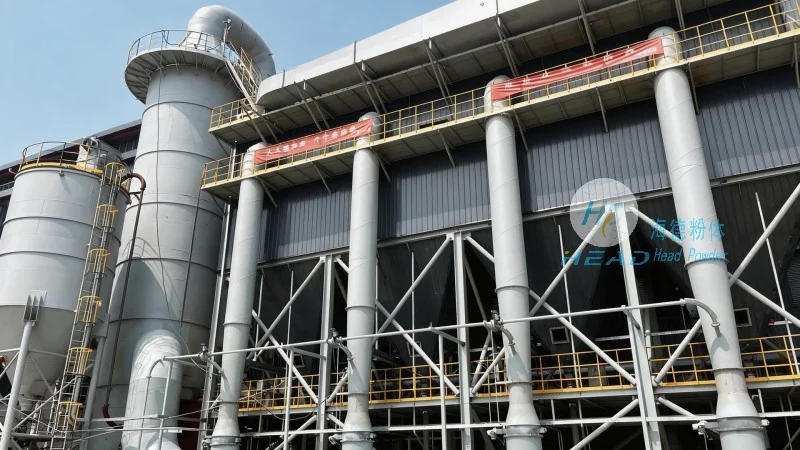
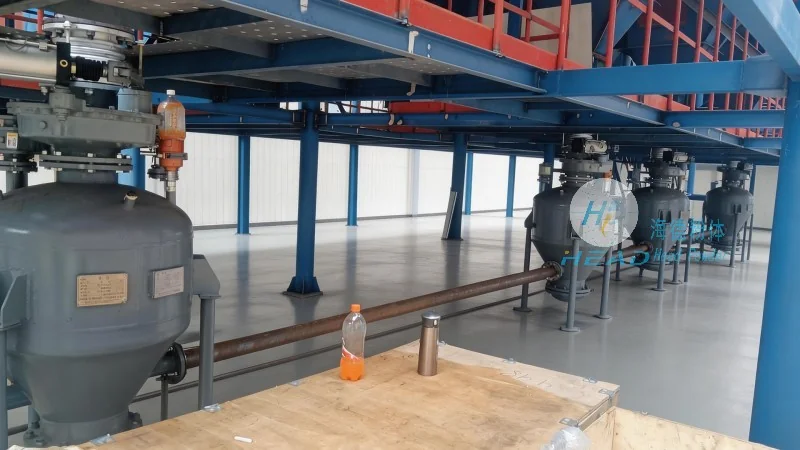
Principle of Pneumatic Conveying Systems for Coffee Powder
Pneumatic conveying systems operate by transporting bulk materials like coffee powder through a pipeline using air or other gases. The core mechanism involves creating a pressure differential that propels the material forward. There are two primary types of pneumatic conveying: pressure and vacuum systems. Pressure systems use compressed air to push the material, while vacuum systems use a vacuum to draw it. For coffee powder, which is a fine, abrasive material, pressure systems are often preferred due to their ability to handle high material loads and maintain consistent flow rates. The system typically consists of a hopper, a conveyor line, a control valve, and a receiver. The hopper stores the coffee powder, and the control valve regulates the flow into the conveyor line. Compressed air is introduced at the inlet, creating a high-pressure environment that moves the powder through the pipeline. The receiver collects the material at the end of the line, ensuring a clean and efficient transfer process.
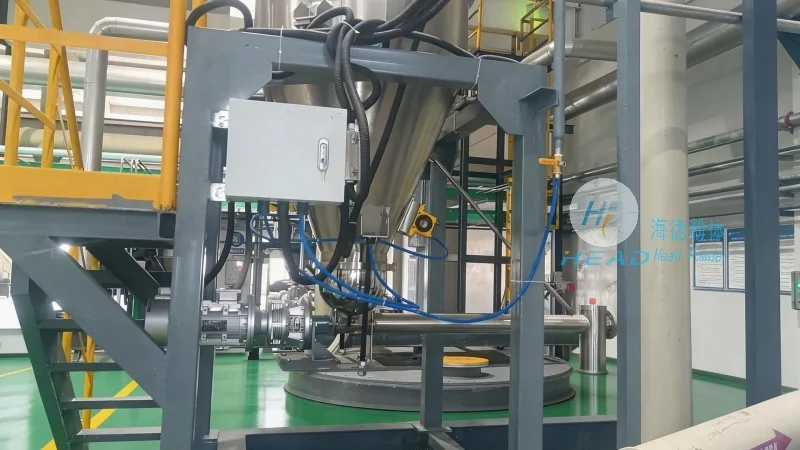
Key Features and Application Scenarios of Coffee Powder Pneumatic Conveying Systems
The application of pneumatic conveying systems in coffee processing offers several distinct advantages. Firstly, these systems provide a closed-loop transport solution, which is crucial for maintaining product quality and preventing contamination. Coffee powder is highly susceptible to moisture and odor, and an open system can lead to spoilage or cross-contamination with other materials. The enclosed pipeline ensures that the coffee powder remains in a controlled environment throughout the transfer process. Secondly, pneumatic conveying systems offer high efficiency and speed. Unlike traditional methods such as bucket elevators or belt conveyors, which can be slow and prone to material buildup, pneumatic systems can transport large volumes of coffee powder quickly and with minimal downtime. This is particularly beneficial in high-volume coffee processing facilities where rapid material movement is essential for meeting production targets. Thirdly, these systems are highly flexible and can be adapted to various production layouts. The modular design allows for easy integration into existing facilities or new installations, and the ability to reconfigure the pipeline layout enables manufacturers to adjust to changing production needs without significant capital investment. Additionally, the systems are designed to minimize product degradation. The gentle handling of the material reduces the risk of breakage or agglomeration, which can affect the final product's quality and marketability. This is especially important for specialty coffee powders, where consistency and flavor profile are critical. The low friction and smooth pipeline surfaces further contribute to maintaining the integrity of the coffee powder, ensuring that the final product retains its original characteristics. Furthermore, the systems are equipped with advanced control and monitoring features. Sensors and control valves allow for precise regulation of air pressure and material flow, ensuring consistent performance and reducing the risk of system failures. This level of control is essential for maintaining product quality and meeting regulatory standards in the coffee industry. The systems also offer scalability, allowing manufacturers to expand their capacity as their business grows. Whether for small-scale artisanal coffee producers or large-scale commercial operations, the pneumatic conveying systems can be customized to meet specific requirements, ensuring optimal performance and cost-effectiveness.
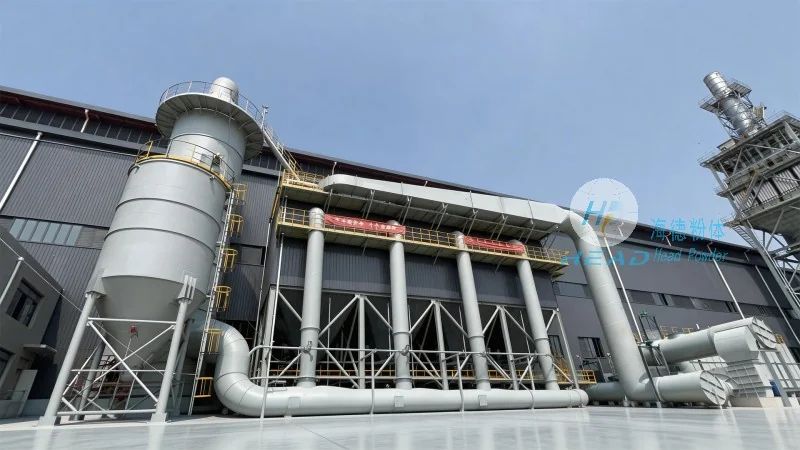
Advantages and Practical Considerations in Implementing Coffee Powder Pneumatic Conveying Systems
Implementing a pneumatic conveying system for coffee powder offers numerous benefits beyond the primary advantages of efficiency and quality control. One of the key advantages is energy efficiency. Compared to other material handling methods, pneumatic systems consume less energy while maintaining high transport rates. The use of compressed air is optimized to minimize energy waste, and the system's design reduces the need for frequent maintenance, which further lowers operational costs. Additionally, the systems are designed for easy maintenance and cleaning. The enclosed pipeline and hopper can be easily disassembled for cleaning, preventing the buildup of coffee powder residue that could affect system performance or product quality. This is particularly important in food processing environments where hygiene is paramount. The modular components of the system allow for quick replacement of parts, reducing downtime and ensuring continuous operation. Another practical consideration is the system's adaptability to different coffee powder types. Whether handling standard Arabica or robusta coffee powders, or specialty blends with varying particle sizes and moisture content, the pneumatic conveying system can be adjusted to accommodate these differences. The control system allows for fine-tuning of air pressure and flow rates to ensure optimal transport for each specific material. This flexibility makes the system suitable for a wide range of coffee processing applications, from raw bean storage and grinding to final product packaging. Furthermore, the system's impact on production workflow is significant. By integrating the pneumatic conveying system into the overall production line, manufacturers can streamline their operations, reduce manual handling, and improve overall productivity. The automated transfer of coffee powder from storage to processing equipment or packaging lines eliminates the need for manual labor, reducing the risk of human error and increasing operational consistency. This not only improves efficiency but also enhances workplace safety by minimizing the need for workers to handle large quantities of bulk material. The system's reliability is another critical factor. With proper maintenance and regular monitoring, pneumatic conveying systems can operate continuously for extended periods without significant breakdowns. This reliability is essential for maintaining production schedules and meeting customer demands, especially during peak seasons or high-volume production periods. In summary, the implementation of a pneumatic conveying system for coffee powder provides a comprehensive solution that addresses the unique challenges of handling fine, sensitive materials while enhancing overall operational efficiency and product quality.