With more than 10‑year industry experience, Shandong Headpowder delivers full‑service pneumatic‑conveying systems and blowers, undertaking nationwide turn‑key powder‑handling projects.
HeadPowder, a leading provider in the field of material handling solutions, specializes in the design and implementation of advanced pneumatic conveying systems tailored for anode material applications. This article delves into the fundamental principles of pneumatic conveying and highlights the key characteristics of its working scenes, offering insights into how such systems enhance operational efficiency in the production of anode materials.
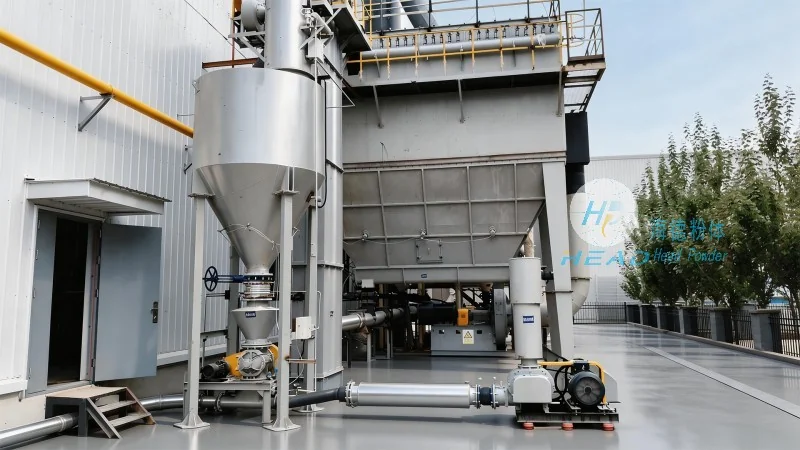
Pneumatic conveying, also known as air conveying, is a method of transporting bulk materials through a pipeline using a stream of air. The technology is widely adopted in industries dealing with fine powders and granules, including the battery materials sector, where anode materials are a critical component. The principle involves creating a pressure differential or using a vacuum to move the material from a source to a destination. There are two primary types of pneumatic conveying systems: suction (or vacuum) systems and pressure systems. Suction systems are commonly used for short to medium distances and are effective for handling materials that are light and free-flowing. Pressure systems, on the other hand, utilize compressed air to push the material through the pipeline, making them suitable for longer distances and higher material loads. The choice between these systems depends on factors such as the material's properties, the distance to be covered, and the required throughput. In the context of anode material handling, the selection of the appropriate system is crucial to ensure minimal material degradation and consistent flow rates.
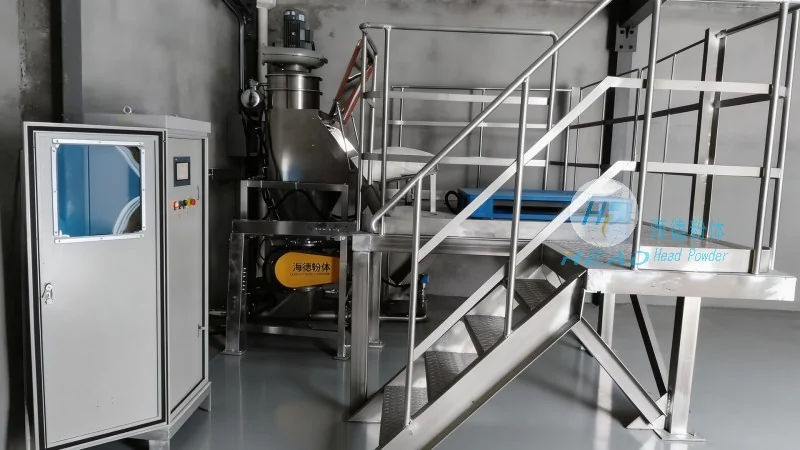
The working scenes where pneumatic conveying is applied for anode materials exhibit several distinct characteristics that set them apart from other material handling scenarios. First, the materials involved are often fine powders with specific particle sizes and moisture content, which require specialized equipment to prevent agglomeration and maintain quality. The conveying systems must be designed to handle these characteristics without causing particle breakage or contamination. Second, the operational environment in battery material production facilities is typically high-speed and continuous, demanding systems that can maintain stable and reliable performance over extended periods. This necessitates robust construction, efficient air management, and regular maintenance protocols to minimize downtime. Third, the integration of pneumatic conveying with other production processes, such as mixing, drying, and packaging, is common. The systems must be capable of seamless integration, ensuring that material flow is uninterrupted and that the overall production line operates smoothly. Additionally, safety considerations are paramount in these environments, as the handling of powders can pose risks of dust explosions. Therefore, the design of pneumatic conveying systems includes features like explosion-proof components and proper ventilation to mitigate these risks. The working scenes also vary based on the specific stage of anode material production, such as raw material intake, intermediate processing, or final product packaging. Each stage may require a different configuration of the conveying system to meet the unique demands of that phase.
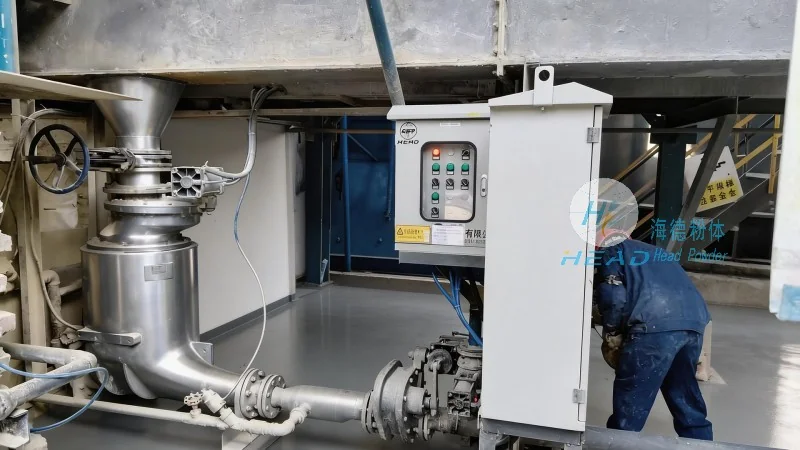
HeadPowder has extensive experience in implementing pneumatic conveying solutions for various stages of anode material production. For instance, in the raw material handling stage, pneumatic conveying is used to transport raw carbonaceous materials from storage silos to processing units. The system efficiently moves the material while maintaining its quality, preventing exposure to air and moisture that could affect its properties. In the intermediate processing stage, after the raw materials have been mixed and possibly dried, pneumatic conveying is employed to transfer the processed material to the next step, such as sintering or coating. This stage requires systems that can handle higher material loads and maintain consistent flow rates to ensure uniform processing. Finally, in the final product packaging stage, pneumatic conveying is used to transport the finished anode material from the production line to storage or shipping containers. The systems are designed to handle the final product with precision, minimizing product loss and ensuring that the material is delivered in the correct quantity and condition. These applications demonstrate the versatility and effectiveness of pneumatic conveying in enhancing the overall efficiency and quality of anode material production.
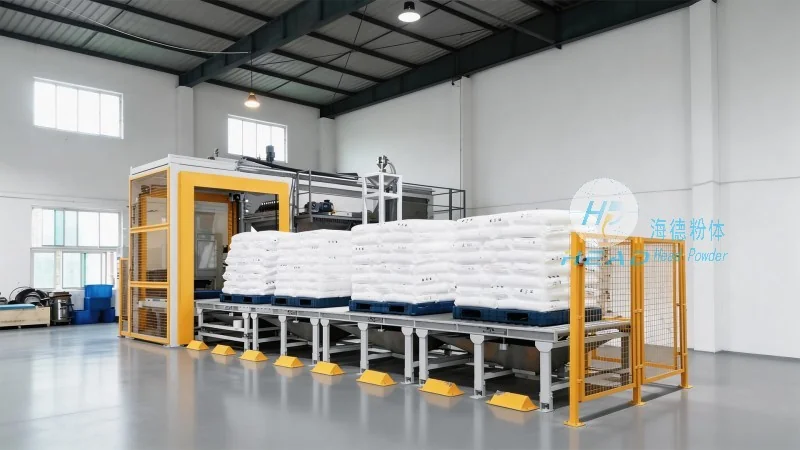
HeadPowder Engineering Co., Ltd., based in Shandong, China, is a trusted partner in the development of advanced material handling solutions for the battery materials industry. With a focus on pneumatic conveying systems for anode materials, the company leverages its expertise to provide customized solutions that meet the specific needs of its clients. By understanding the fundamental principles of pneumatic conveying and the unique characteristics of working scenes in anode material production, HeadPowder ensures that its systems deliver optimal performance, reliability, and safety. The company's commitment to innovation and quality has made it a leading choice for businesses seeking to improve their material handling processes in the battery materials sector.

 Shandong Headpowder Engineering Co., Ltd.
 156-6277-7102(Manager Zhang)
  0531-83386006
  Zhangqiu District, Jinan City, Shandong Province, China
telephone
WeChatconsult
top