With more than 10‑year industry experience, Shandong Headpowder delivers full‑service pneumatic‑conveying systems and blowers, undertaking nationwide turn‑key powder‑handling projects.
White powder material pneumatic conveying systems are widely utilized across diverse industrial sectors for the efficient transport of fine powders. These systems operate on the fundamental principles of fluidization and air flow, enabling material movement without mechanical components such as belts or screws. The core mechanism involves creating a pressure differential or utilizing suction to draw or push powder particles through a pipeline, with the choice of method depending on material properties, distance, and system layout.
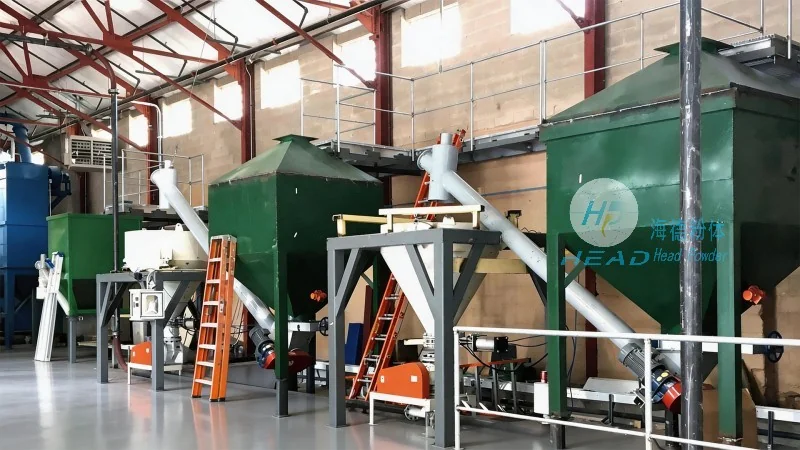
The fundamental principle of pneumatic conveying revolves around the interaction between material particles and an air stream, which transforms the powder into a fluidized state for smooth, continuous movement. Positive pressure systems employ compressed air to fluidize the material and propel it forward, while negative pressure systems use vacuum to pull the material through the system. For white powder materials—often fine, light, and prone to agglomeration—positive pressure systems are commonly preferred due to their ability to handle high material loads and maintain consistent flow rates. This approach ensures efficient transport while minimizing the risk of material blockages or pressure losses.
The working scene characteristics of white powder pneumatic conveying systems are tailored to meet the stringent demands of industrial environments, particularly in food processing, pharmaceutical manufacturing, and chemical production. These systems are designed to operate in clean, dust-free, and hygienic conditions, incorporating sealed pipelines, dust collection systems, and material recovery units to prevent environmental contamination and ensure compliance with industry standards. The hygienic design of components, including smooth surfaces and easy-to-clean structures, is critical for maintaining product quality and safety, especially in sectors where regulatory compliance is paramount.
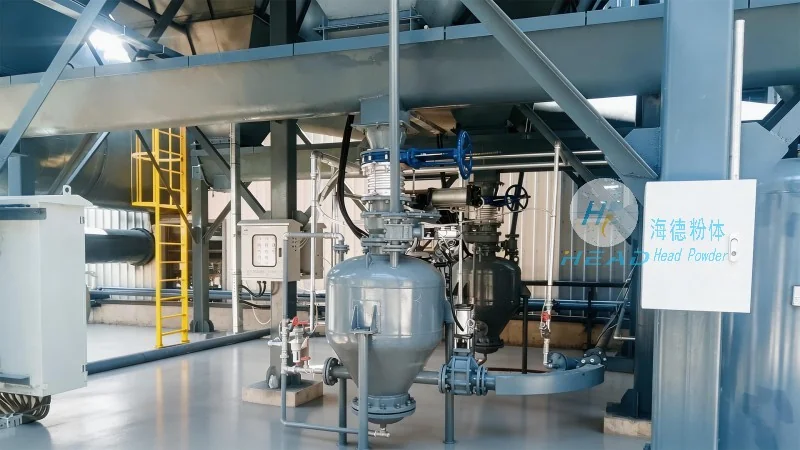
In food processing facilities, white powder materials like flour, sugar, and milk powder are frequently transported using pneumatic systems. These systems seamlessly integrate into production lines, enabling efficient transfer between mixing, packaging, and storage areas. The positive pressure design ensures that materials are moved without contamination, while real-time monitoring of flow rates and pressure allows operators to maintain optimal performance. In pharmaceutical manufacturing, the use of pneumatic conveying is essential for handling sensitive white powders, as it prevents cross-contamination and ensures batch consistency. Similarly, in chemical plants, these systems are used to transport materials like talc or calcium carbonate, where dust control and material purity are critical.
The effectiveness of a white powder pneumatic conveying system depends on several key components, including the air supply unit (compressor or vacuum pump), material feeders (hoppers or rotary valves), conveying pipelines, and control systems. The pipeline design is particularly important, as it must be sized to handle the material's flow characteristics and prevent blockages or pressure drops. For fine white powders, which are prone to agglomeration, the system may incorporate agitators or vibration devices to maintain material fluidity. Additionally, the choice of materials for pipelines and components—often stainless steel—ensures durability and resistance to corrosion, especially in environments with high humidity or aggressive materials.
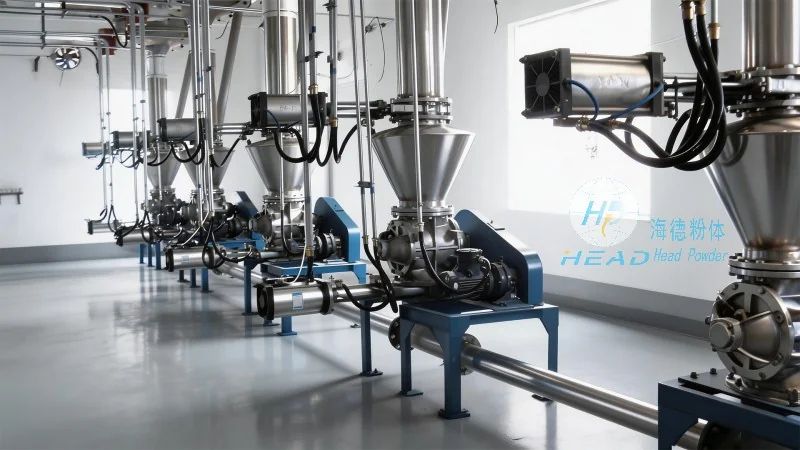
White powder pneumatic conveying systems offer significant advantages, including high efficiency, low maintenance, and the ability to handle materials in a dust-free environment. These systems can transport materials over long distances and integrate with existing production lines without major modifications. However, challenges may arise with materials that have high moisture content or are prone to caking, requiring additional equipment like dryers or de-agglomeration units to ensure smooth operation. The initial investment for pneumatic conveying systems can be higher than traditional mechanical systems, though long-term benefits in operational efficiency and product quality often justify the cost. Furthermore, system maintenance requires specialized knowledge to address issues like pipeline wear or air compressor performance.
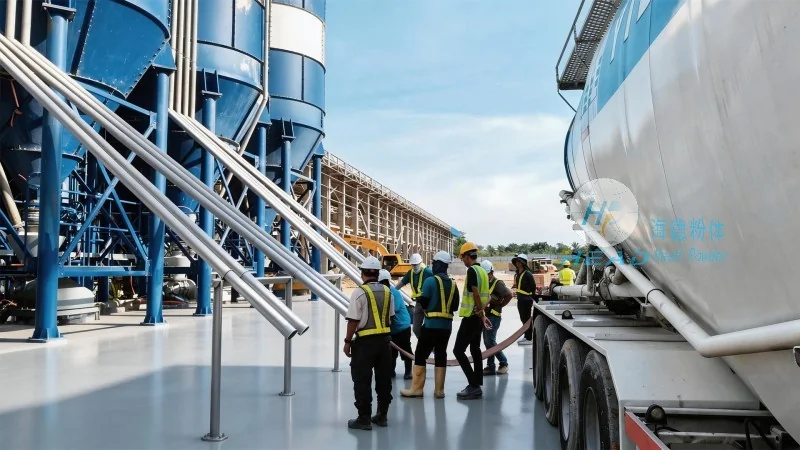
A practical example of a white powder pneumatic conveying system in action is a large-scale flour mill. In this scenario, the system transports flour from storage silos to mixing and packaging areas using a positive pressure design. The high-capacity compressor ensures efficient material movement, while sealed pipelines and dust collection systems maintain a clean working environment. The control panel allows operators to monitor flow rates, pressure, and material levels in real-time, enabling quick adjustments to maintain optimal performance. This case study illustrates how the principles and characteristics of pneumatic conveying are applied to meet the specific needs of industrial applications, highlighting the system's role in enhancing production efficiency and product safety.
White powder material pneumatic conveying systems represent a sophisticated solution for the efficient and hygienic transport of fine powders across various industrial sectors. By understanding the core principles and working scene characteristics, industries can select and implement systems that optimize material handling while maintaining product quality and safety standards. As technology advances, these systems continue to evolve, offering improved efficiency and adaptability to meet the demands of modern manufacturing processes. The integration of advanced control systems and material-specific design features ensures that pneumatic conveying remains a preferred choice for industries requiring reliable, dust-free material transport.

 Shandong Headpowder Engineering Co., Ltd.
 156-6277-7102(Manager Zhang)
  0531-83386006
  Zhangqiu District, Jinan City, Shandong Province, China
telephone
WeChatconsult
top