With more than 10‑year industry experience, Shandong Headpowder delivers full‑service pneumatic‑conveying systems and blowers, undertaking nationwide turn‑key powder‑handling projects.
HeadPowder, a leading manufacturer based in Shandong, China, specializes in the design, development, and production of advanced automatic continuous material handling equipment. Our company, Shandong HeadPowder Engineering Co., Ltd., is committed to providing high-quality solutions that enhance efficiency and reliability in material transportation processes across various industries.
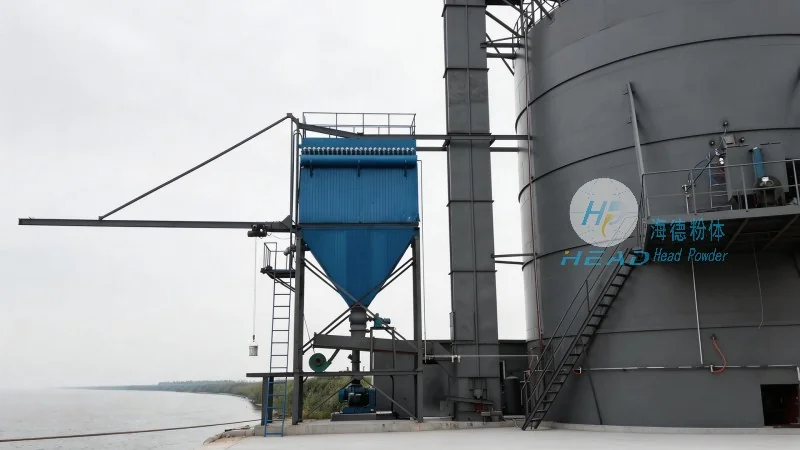
Automatic continuous material handling equipment is a sophisticated system engineered to transport bulk materials or products in a seamless, unbroken flow. This technology is widely utilized in manufacturing, logistics, and processing industries to streamline operations, reduce labor costs, and improve overall productivity. The equipment typically consists of conveyor systems, feeding mechanisms, control units, and safety features, all integrated to operate continuously without manual intervention.
The core components of an automatic continuous material handling system include: 1. **Conveyor Belts or Chains**: These are the primary transport mediums that move materials from one point to another. Depending on the application, they may be flat belts, slat conveyors, or chain-driven systems, each designed to handle different material types and loads. 2. **Feeding and Loading Mechanisms**: These components ensure materials are properly fed into the conveyor system. This may involve hoppers, feeders, or automated loading stations that regulate the flow rate and prevent overloading. 3. **Control and Monitoring Systems**: Advanced control units, often equipped with programmable logic controllers (PLCs) and sensors, manage the operation of the entire system. These systems monitor parameters such as speed, load, and position, and can adjust settings in real-time to maintain optimal performance. 4. **Safety Features**: Safety sensors, emergency stop buttons, and interlocking mechanisms are integrated to protect operators and prevent accidents during operation.
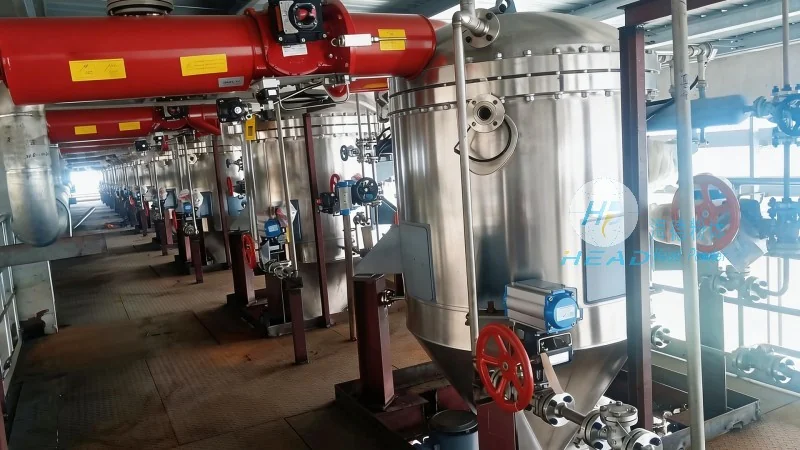
The operation of automatic continuous material handling equipment follows a systematic workflow to ensure smooth and continuous material transport. The process typically begins with the loading of materials into the feeding hopper. The feeding mechanism then regulates the flow of materials into the conveyor system. As materials move along the conveyor, they are transported to the desired destination, such as a processing unit, storage area, or packaging station. The control system continuously monitors the entire process, adjusting conveyor speed and feeding rates as needed to maintain a consistent flow. At the end of the transport path, materials are either discharged manually or transferred to another system for further processing.
The working principle of automatic continuous material handling equipment relies on mechanical, electrical, and control systems working in harmony. The conveyor system, powered by electric motors, moves the material along its path. Sensors and sensors detect the presence and position of materials, providing feedback to the control unit. The control unit processes this information and sends signals to adjust motor speeds or activate safety features. For example, if a blockage is detected, the system may automatically slow down or stop the conveyor to prevent damage. This closed-loop control ensures the equipment operates efficiently and safely, minimizing downtime and maximizing throughput.
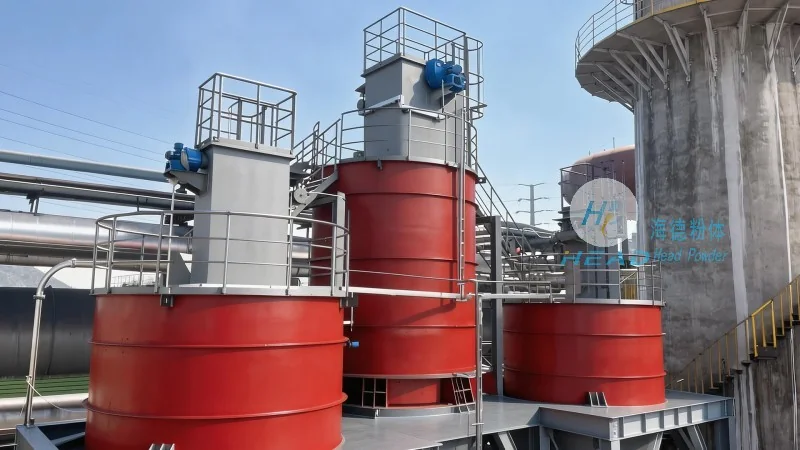
Automatic continuous material handling equipment is versatile and can be applied in various industries, including food processing, pharmaceuticals, chemicals, and manufacturing. In food processing, it is used to transport raw ingredients or finished products, ensuring hygiene and efficiency. In pharmaceuticals, it maintains strict contamination control and batch tracking. The equipment's ability to handle high volumes and operate continuously makes it an essential component in modern industrial operations, contributing to increased productivity and reduced operational costs.
To ensure the long-term reliability and performance of automatic continuous material handling equipment, regular maintenance is crucial. This includes routine checks of conveyor belts, motor alignment, and sensor functionality. Lubrication of moving parts and cleaning of the system are also essential to prevent wear and tear. Additionally, operators should be trained on the proper operation and safety protocols to minimize the risk of accidents. By adhering to these maintenance practices, the equipment can operate at optimal efficiency, extending its service life and reducing the need for frequent repairs.

 Shandong Headpowder Engineering Co., Ltd.
 156-6277-7102(Manager Zhang)
  0531-83386006
  Zhangqiu District, Jinan City, Shandong Province, China
telephone
WeChatconsult
top