

Operation Process and Working Principle of Polyester Fiber Material Conveying System
For industries dealing with polyester fiber materials, efficient and reliable material handling is crucial for maintaining production efficiency and product quality. The polyester fiber material conveying system, as a core component in many manufacturing processes, plays a vital role in ensuring smooth material flow from raw material storage to processing and packaging stages. This system is designed to handle the unique characteristics of polyester fibers, such as their lightweight, high tensile strength, and tendency to generate static electricity, which require specialized conveying solutions to prevent material damage and ensure operational safety.
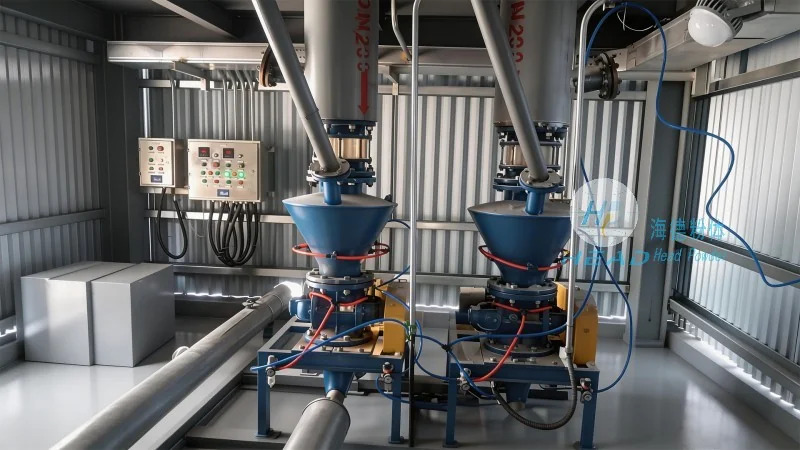
Company Profile: HeadPowder Engineering
HeadPowder, formally known as Shandong HeadPowder Engineering Co., Ltd., is a leading provider of advanced material handling solutions in China. With its headquarters located in Shandong, the company specializes in designing, manufacturing, and installing customized conveying systems tailored to the specific needs of various industries, including textile, chemical, and packaging sectors. HeadPowder's expertise lies in integrating innovative technologies with robust engineering to deliver systems that meet the highest standards of performance, durability, and energy efficiency.
Core Components and System Architecture
The polyester fiber material conveying system typically consists of several key components that work in tandem to ensure seamless material transport. These components include material feeders, conveyor belts or rollers, control panels, and dust collection systems. The system is engineered to handle polyester fibers in various forms, such as pellets, flakes, or continuous filaments, and can be adapted to different production scales, from small-scale laboratory applications to large industrial manufacturing lines. Each component is carefully selected and integrated to address the specific challenges associated with polyester fiber handling, such as preventing material entanglement, reducing friction, and maintaining consistent material flow rates.
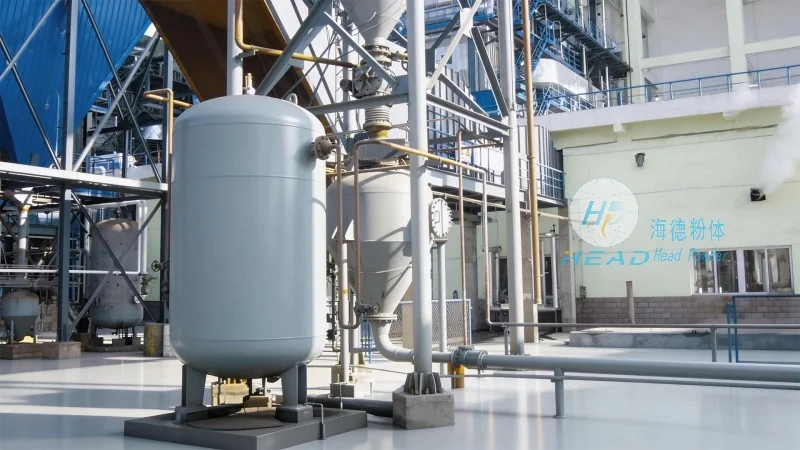
Operation Process: Step-by-Step Workflow
The operation of the polyester fiber material conveying system follows a systematic workflow that ensures optimal performance and minimal downtime. The process begins with the loading of raw polyester material into the system's hopper or storage bin. From there, the material is fed into the primary conveyor, which may consist of a series of rollers or a belt system designed to move the fibers at a controlled speed. The control panel, equipped with sensors and automation controls, monitors the material flow and adjusts the conveyor speed as needed to maintain a consistent rate. As the material moves through the system, it may pass through additional processing stages, such as drying or cooling, before reaching the discharge point. The system also incorporates safety features, such as emergency stop buttons and overload protection, to prevent accidents and ensure operator safety.
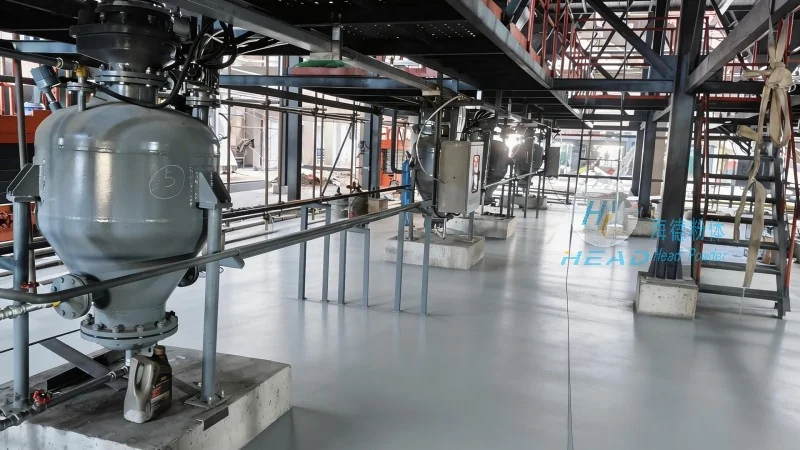
Working Principle: Mechanical and Electrical Integration
The working principle of the polyester fiber material conveying system combines mechanical and electrical components to achieve efficient material transport. The mechanical part includes the conveyor structure, which may be made of stainless steel or other corrosion-resistant materials to withstand the chemical properties of polyester fibers and environmental factors. The conveyor system uses motors and drives to power the movement of the material, with variable speed drives allowing for precise control over the flow rate. The electrical components include control panels, sensors, and automation systems that monitor the system's performance and respond to changes in material conditions or operational parameters. For example, if the material flow rate decreases, the control system may increase the conveyor speed to maintain the desired output. Additionally, the system may include dust collection and filtration systems to manage airborne particles and ensure a clean working environment.
Advantages and Applications
HeadPowder's polyester fiber material conveying systems offer several advantages that make them ideal for various industrial applications. These systems are designed to handle high volumes of material with minimal maintenance, reducing operational costs and increasing productivity. The systems are also highly adaptable, allowing for customization to meet the specific requirements of different production processes. Some common applications include the transportation of polyester fibers in textile manufacturing, the handling of polyester resin in chemical processing, and the conveyance of polyester flakes in packaging operations. By integrating advanced technology with robust engineering, HeadPowder's systems provide reliable and efficient material handling solutions that enhance overall operational efficiency and product quality.