With more than 10‑year industry experience, Shandong Headpowder delivers full‑service pneumatic‑conveying systems and blowers, undertaking nationwide turn‑key powder‑handling projects.
Shandong HeadPowder Engineering Co., Ltd., commonly referred to as HeadPowder, is a leading manufacturer specializing in material handling equipment based in Shandong, China. The company focuses on providing efficient and reliable solutions for the transportation and processing of various materials, including electrode dust generated during calcium carbide production. This article delves into the operation process and working principle of electrode dust material conveying, highlighting the technical aspects and practical applications of the system.
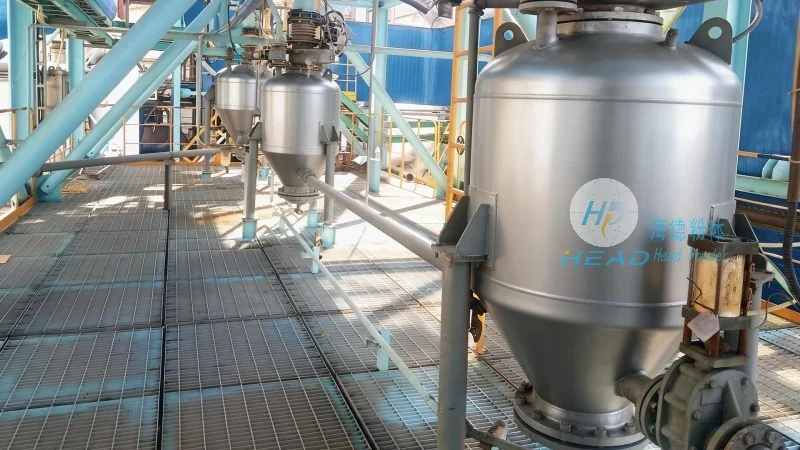
HeadPowder is dedicated to delivering high-quality material handling solutions tailored to the needs of industrial clients. As a professional manufacturer, the company combines advanced engineering with practical experience to develop equipment that meets the demands of modern production lines. The company's headquarters in Shandong, China, serves as a hub for research, development, and manufacturing, ensuring that their products are designed with precision and durability in mind. With a strong commitment to quality and customer satisfaction, HeadPowder has established itself as a trusted name in the material handling industry.
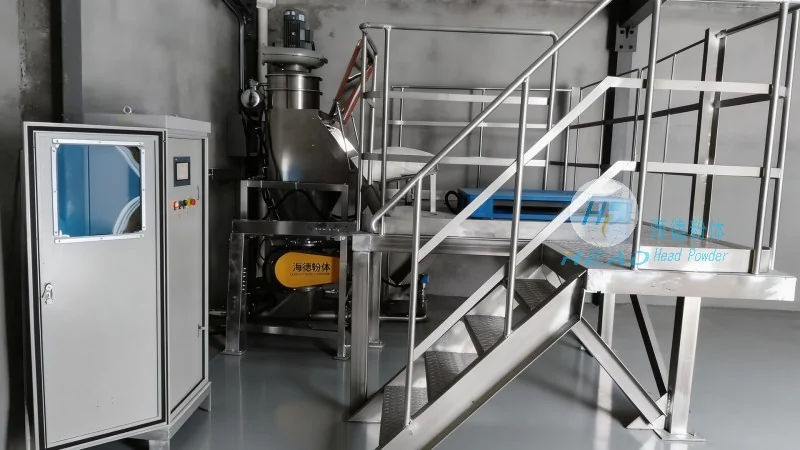
Electrode dust is a byproduct of the calcium carbide production process, typically consisting of fine particles that can be abrasive and potentially hazardous. The dust is generated during the operation of dust collection systems and must be transported to subsequent processing stages or storage facilities. Handling this material requires specialized equipment that can efficiently convey the dust while maintaining safety and environmental standards. The conveying system must be designed to prevent dust dispersion, minimize material loss, and ensure smooth operation throughout the production cycle.
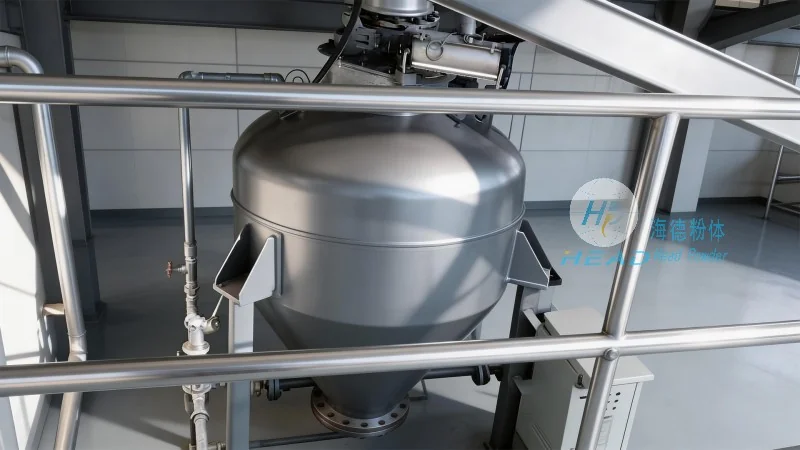
The operation process of electrode dust material conveying involves a series of coordinated steps to ensure the efficient transport of the material. Initially, the electrode dust is collected from the dust collection system of the calcium carbide production line. The collected dust is then transferred to a hopper or storage bin, where it is prepared for transport. From the hopper, the dust is fed into the conveying system, which may include a screw conveyor, pneumatic conveyor, or a combination of both, depending on the specific requirements of the application.
The conveying process begins with the material entering the conveyor system. In a screw conveyor setup, the dust is moved along a rotating screw within a tube or trough. The screw's rotation creates a pushing force that propels the material forward, ensuring a continuous flow. The speed of the screw and the angle of the conveyor are carefully adjusted to maintain the optimal flow rate, preventing material buildup or clogging. For longer distances or more challenging material characteristics, a pneumatic conveyor system may be employed. This system uses compressed air to create a flow that carries the dust particles through a pipeline, allowing for efficient transport over extended distances.
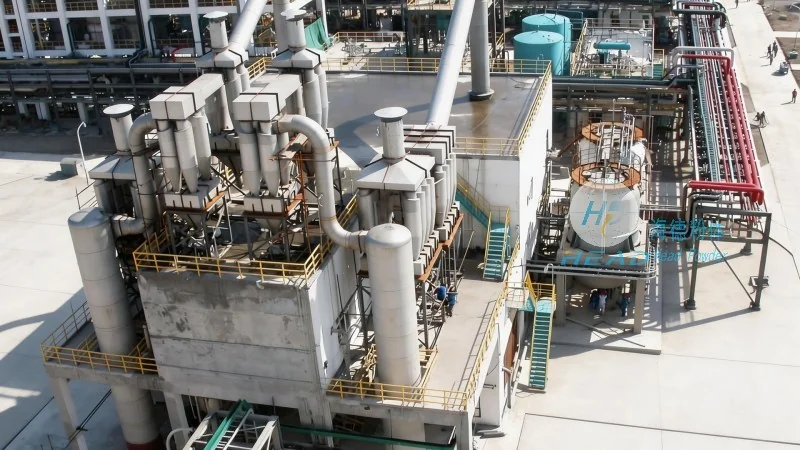
During the conveying process, the system is equipped with monitoring and control mechanisms to ensure smooth operation. Sensors are used to detect the material level in the hopper and adjust the conveyor speed accordingly, maintaining a steady flow. Additionally, the system may include components such as filters and dust collectors to prevent dust from escaping into the environment, ensuring compliance with environmental regulations and protecting the health of workers.

 Shandong Headpowder Engineering Co., Ltd.
 156-6277-7102(Manager Zhang)
  0531-83386006
  Zhangqiu District, Jinan City, Shandong Province, China
telephone
WeChatconsult
top