With more than 10‑year industry experience, Shandong Headpowder delivers full‑service pneumatic‑conveying systems and blowers, undertaking nationwide turn‑key powder‑handling projects.
Slag material handling systems are critical components in industrial operations, particularly in industries such as steelmaking, cement production, and power generation. These systems are designed to efficiently transport and manage slag, a byproduct of high-temperature processes. The effectiveness of these systems directly impacts operational efficiency, safety, and environmental compliance. This article provides an in-depth look at the operation process and working principles of such systems, highlighting key components, operational steps, and the role of advanced engineering solutions.
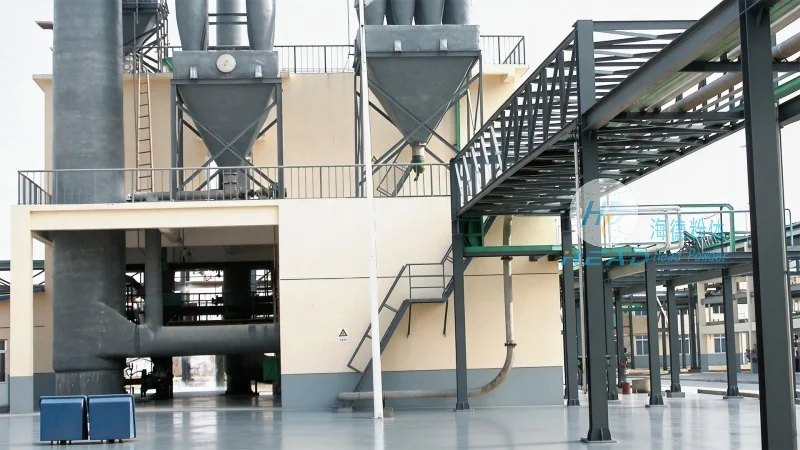
Slag material handling systems typically consist of several interconnected components that work in tandem to ensure smooth material flow. The primary components include: feeders or hoppers for receiving slag, conveyor systems (such as belt conveyors or screw conveyors) for transporting the material, storage silos or stockpiles for temporary storage, and discharge mechanisms for delivering the slag to its final destination. Each component is engineered to handle the specific characteristics of slag, including its temperature, size, and chemical composition. For instance, high-temperature slag may require special heat-resistant materials for the conveyor belts and hopper linings to prevent degradation and ensure longevity.
The operation process of a slag material handling system begins with the collection of slag from the source, such as a blast furnace or a slag pit. The slag is then transferred to a hopper or feeder, where it is stored temporarily. From there, the material is fed into the conveyor system. The conveyor system, powered by electric motors, moves the slag through the system at a controlled speed. The speed and direction of the conveyor are adjusted based on the volume of slag and the system's capacity. As the slag moves, it may pass through additional processing steps, such as cooling or crushing, depending on the downstream application. The system continues to transport the slag until it reaches the storage silo or stockpile, where it is held until further processing or disposal.
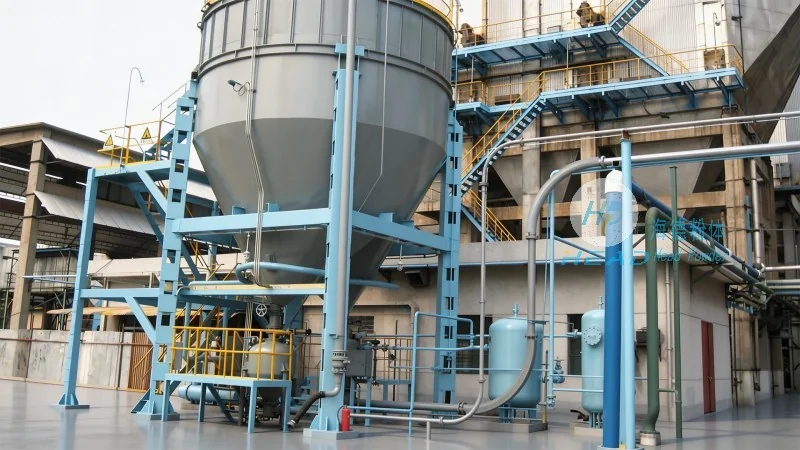
The working principles of slag material handling systems are based on mechanical and hydraulic forces that facilitate the movement of the material. The primary principle is gravity-assisted movement, where the slope of the conveyor or the design of the hopper allows the slag to move downward under its own weight. However, for horizontal or uphill transport, mechanical power from electric motors is used to drive the conveyor belts or screw mechanisms. The system also incorporates control mechanisms, such as sensors and variable frequency drives (VFDs), to regulate the flow rate and speed of the conveyor. These controls ensure that the system operates efficiently and safely, preventing overloading or blockages. Additionally, the system may include safety features, such as emergency stop buttons and overload protection, to protect operators and equipment from potential hazards.
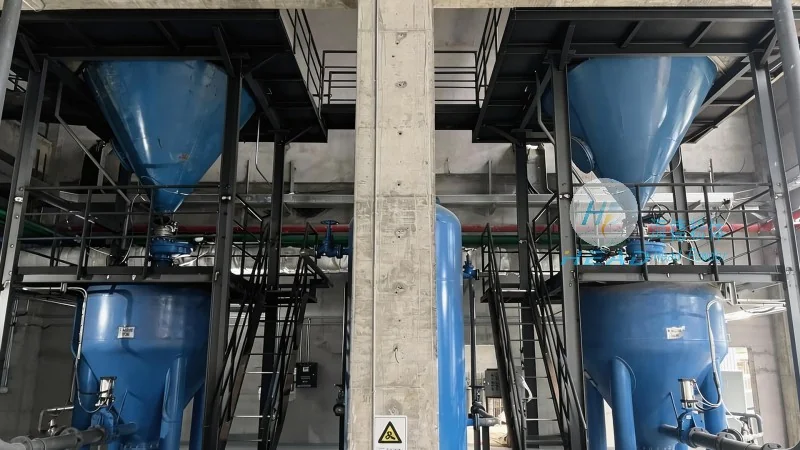
Modern slag material handling systems are often enhanced with advanced engineering solutions to improve performance and reduce operational costs. These solutions include: automated control systems that monitor and adjust the system's parameters in real-time, energy-efficient motors that reduce power consumption, and durable materials that extend the lifespan of components. For example, some systems use high-performance polymers or composite materials for conveyor belts, which are resistant to abrasion and high temperatures. Additionally, the integration of sensors and data analytics allows for predictive maintenance, enabling operators to identify and address potential issues before they cause system downtime. These advancements not only improve the efficiency of slag handling but also contribute to environmental sustainability by reducing waste and minimizing the environmental impact of slag disposal.
Shandong HeadPowder Engineering Co., Ltd., commonly known as HeadPowder, is a leading provider of engineering solutions for material handling systems, including slag handling. With a focus on innovation and customer-centric design, HeadPowder has developed a range of customized solutions tailored to the specific needs of industrial clients. The company's headquarters is located in Shandong, China, and it serves clients across various industries, including steel, cement, and power generation. HeadPowder's team of experienced engineers and technicians work closely with clients to understand their operational requirements and design systems that meet their performance, safety, and cost objectives. The company is committed to delivering high-quality, reliable solutions that enhance operational efficiency and support sustainable industrial practices.

 Shandong Headpowder Engineering Co., Ltd.
 156-6277-7102(Manager Zhang)
  0531-83386006
  Zhangqiu District, Jinan City, Shandong Province, China
telephone
WeChatconsult
top