With more than 10‑year industry experience, Shandong Headpowder delivers full‑service pneumatic‑conveying systems and blowers, undertaking nationwide turn‑key powder‑handling projects.
Shandong HeadPowder Engineering Co., Ltd., a leading provider in the field of material handling solutions, specializes in the design, manufacturing, and implementation of advanced conveyor systems. Among their portfolio is the unmanned material feeding conveyor system, a sophisticated solution engineered to enhance efficiency and reliability in material transport operations. This article delves into the operation process and working principle of such a system, highlighting its key components, functional mechanisms, and the technological advancements that make it a valuable asset for modern industrial applications.
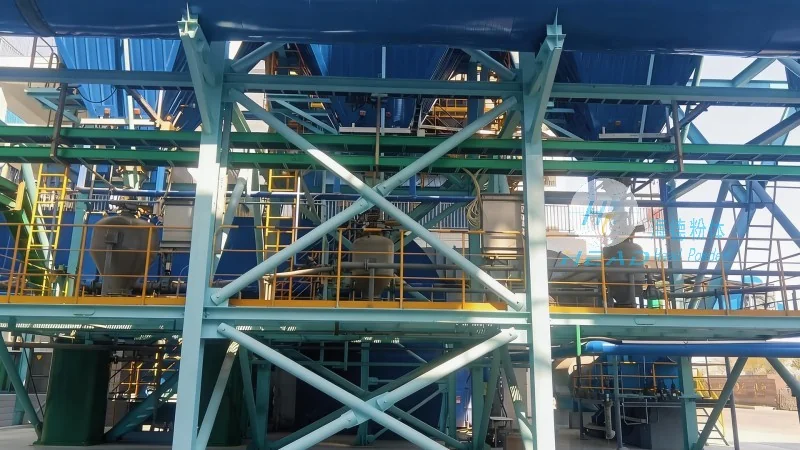
The unmanned material feeding conveyor system is a comprehensive setup designed to automate the process of transporting bulk materials from a storage or feeding point to a processing or packaging station without the need for human intervention. The system typically comprises several critical components, each playing a vital role in ensuring seamless operation. These include a feeding hopper or silo, a conveyor belt or roller system, control panels with sensors and actuators, and a power supply unit. The feeding hopper is responsible for holding the raw material, while the conveyor mechanism transports it to the next stage. Sensors are strategically placed to detect material levels, flow rates, and potential obstructions, providing real-time data for the control system. Actuators and motors drive the conveyor movement, ensuring precise and controlled material transfer.
The operation of the unmanned material feeding conveyor system follows a systematic workflow that begins with material loading and concludes with delivery to the processing unit. The process can be broken down into the following key stages:
1. Material Loading and Preparation The raw material is first loaded into the feeding hopper. The hopper is equipped with a level sensor that monitors the material volume. Once the hopper reaches a pre-set level, the system is ready to initiate the feeding process. This stage ensures that the conveyor system operates efficiently without interruptions due to material shortages.
2. Conveyor Activation and Material Transport Upon receiving the signal from the level sensor, the control system activates the conveyor motor. The conveyor belt or rollers begin to move, transporting the material from the hopper to the discharge point. The speed of the conveyor is adjustable and can be optimized based on the material characteristics and processing requirements. Sensors along the conveyor path detect any blockages or irregularities, triggering an alarm or automatic shutdown to prevent damage to the system or material.
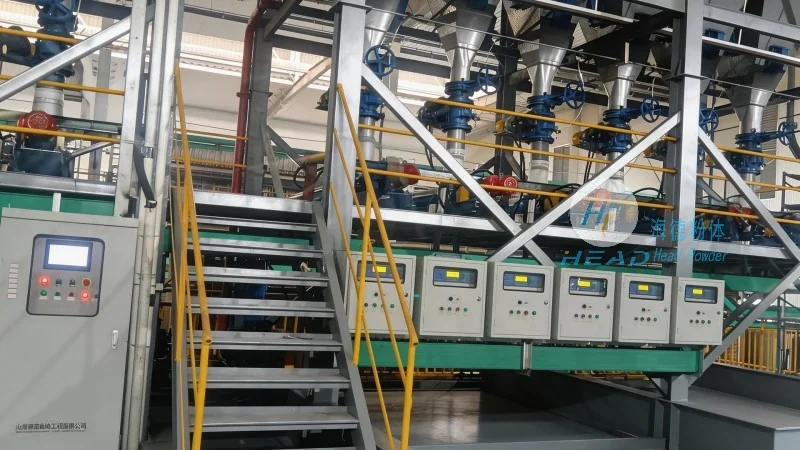
3. Material Discharge and Transfer At the discharge end of the conveyor, the material is transferred to the next stage of the production line, such as a mixer, grinder, or packaging machine. The discharge mechanism may include a chute or a rotating valve that regulates the flow of material. The system ensures a consistent and controlled discharge rate, minimizing waste and maintaining product quality.
4. Monitoring and Maintenance Throughout the operation, the control panel continuously monitors various parameters, including motor speed, material flow rate, and system temperature. Any deviations from the normal operating conditions are immediately detected and reported. The system also includes a maintenance schedule feature that alerts operators to perform routine checks and servicing, ensuring the longevity and reliability of the equipment.
The working principle of the unmanned material feeding conveyor system is centered around the integration of advanced sensors and a sophisticated control system. The system employs a closed-loop control mechanism, where sensors provide real-time feedback to the control unit, which then adjusts the system's operations accordingly. This feedback loop ensures that the conveyor operates within optimal parameters, maintaining efficiency and preventing errors.
Sensor Technology The system utilizes a variety of sensors to gather data about the material and the conveyor's performance. Level sensors in the hopper detect the material volume, while flow sensors monitor the rate of material movement along the conveyor. Position sensors track the location of the material and the conveyor components, ensuring precise alignment and operation. Additionally, proximity sensors and cameras may be used to detect obstructions or foreign objects, enhancing safety and system reliability.
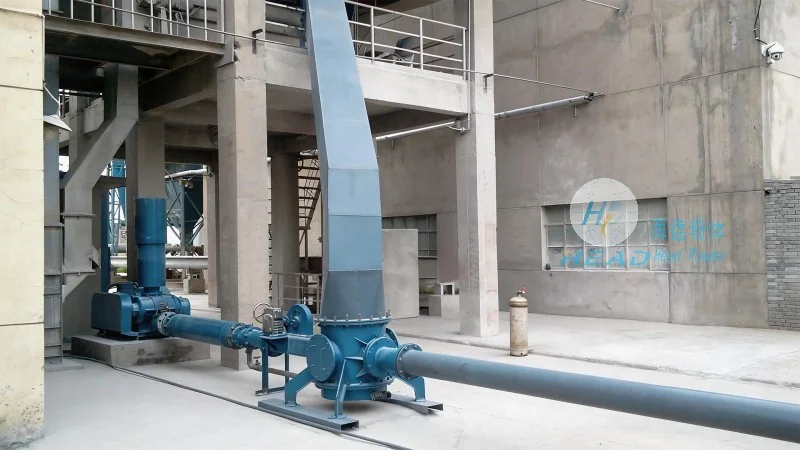
Control System The control system, often based on programmable logic controllers (PLCs) or industrial computers, processes the data from the sensors and executes the appropriate actions. It manages the start and stop of the conveyor motor, adjusts the speed based on the material load, and activates alarms or shutdowns in case of anomalies. The control system can also be programmed with user-defined parameters, allowing for customization to meet specific operational needs.
The unmanned material feeding conveyor system offers several technical advantages that make it an ideal solution for various industrial applications. These advantages include increased operational efficiency, reduced labor costs, enhanced safety, and improved product quality. The system's ability to operate continuously without human intervention minimizes downtime and maximizes production output. Additionally, the integration of sensors and control systems ensures precise material handling, reducing material waste and maintaining consistent product quality.
Applications of this system span across multiple industries, including food processing, pharmaceuticals, chemicals, and mining. In the food industry, the system can be used to transport ingredients such as flour, sugar, or grains to production lines, ensuring hygienic and efficient handling. In the pharmaceutical sector, the system is employed to transport raw materials and intermediates with high precision, maintaining strict quality control standards. The system's adaptability and reliability make it suitable for diverse material types and processing requirements.
Shandong HeadPowder Engineering Co., Ltd.'s unmanned material feeding conveyor system exemplifies modern industrial automation, combining advanced technology with robust design to deliver efficient and reliable material handling solutions. Through its systematic operation process and integrated working principles, the system enhances productivity, reduces operational costs, and ensures consistent performance in various industrial applications. As industries continue to seek more efficient and automated solutions, such systems play a crucial role in meeting the demands of modern manufacturing and processing.

 Shandong Headpowder Engineering Co., Ltd.
 156-6277-7102(Manager Zhang)
  0531-83386006
  Zhangqiu District, Jinan City, Shandong Province, China
telephone
WeChatconsult
top