With more than 10‑year industry experience, Shandong Headpowder delivers full‑service pneumatic‑conveying systems and blowers, undertaking nationwide turn‑key powder‑handling projects.
Low-pressure powder conveying lines are essential in various industrial applications, providing efficient and reliable methods for transporting bulk materials. Understanding the operation process and working principles of such systems is crucial for optimizing performance and ensuring safe operation. This article delves into the detailed mechanics of low-pressure powder conveying lines, highlighting the key components, operational steps, and technical advantages offered by advanced engineering solutions.
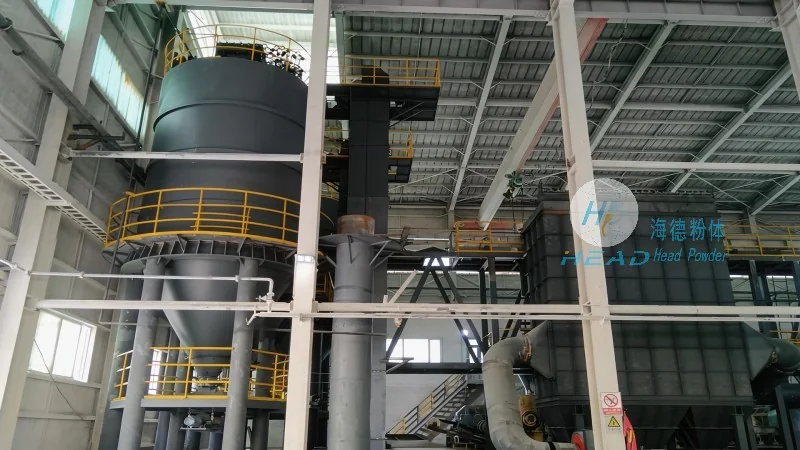
Low-pressure powder conveying lines, also known as pneumatic conveying systems, are widely used in industries such as pharmaceuticals, food processing, and chemical manufacturing. These systems are designed to transport dry powders and granules over short to medium distances with minimal pressure differentials. The primary goal is to achieve efficient material handling while maintaining product integrity and preventing contamination. HeadPowder, a leading provider of engineering solutions, specializes in the design, manufacturing, and installation of customized low-pressure powder conveying lines tailored to specific industrial needs.
HeadPowder, or Shandong HeadPowder Engineering Co., Ltd., is a reputable company based in Shandong, China. With years of experience in the field of powder handling technology, HeadPowder has established itself as a trusted partner for businesses seeking reliable and efficient conveying solutions. The company’s expertise lies in developing innovative systems that meet stringent industry standards, ensuring durability, safety, and optimal performance. By leveraging advanced engineering and quality control measures, HeadPowder delivers tailored solutions that enhance operational efficiency and reduce maintenance costs for its clients.
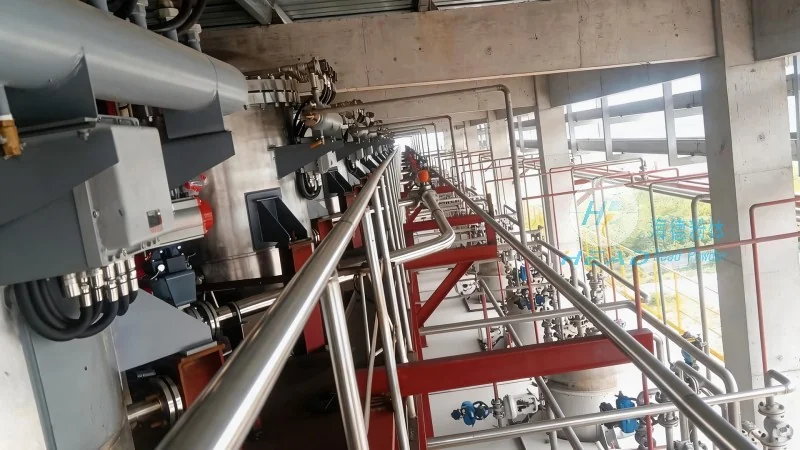
The operation of a low-pressure powder conveying line involves several key steps that ensure smooth and continuous material transport. The process typically begins with the feeding of the powder into the system. This is usually done using a hopper or a feeder that regulates the flow rate of the material. The powder is then drawn into the conveying line by a vacuum or low-pressure air source, which creates a pressure differential between the inlet and outlet. As the material moves through the pipeline, it is propelled by the air flow, which helps maintain the material's suspension and prevents clogging. The conveying line may include components such as bends, elbows, and filters to direct the flow and ensure the material reaches the destination without loss or degradation.
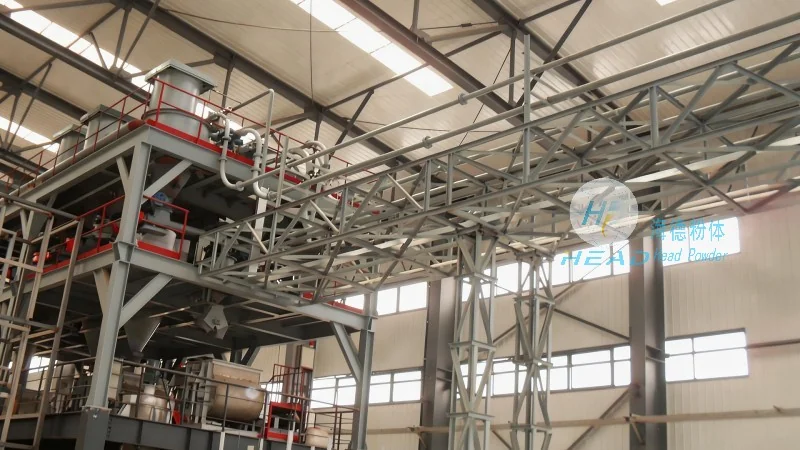
The working principle of low-pressure powder conveying lines is based on the fundamental concept of pneumatic transport. The system operates by creating a low-pressure environment within the conveying line, which draws the powder from the source and transports it to the destination. The key components include a vacuum pump or a fan that generates the necessary air flow, a hopper or feeder for material input, and a pipeline network that connects the source and destination. The air flow, typically at a pressure of 0.5 to 2 bar, is sufficient to move the powder particles without causing excessive wear or degradation. The system relies on the principle of fluidization, where the air flow suspends the powder particles, allowing them to move through the pipeline as a slurry. This method ensures that the material is transported efficiently while maintaining its physical properties and preventing segregation or agglomeration.
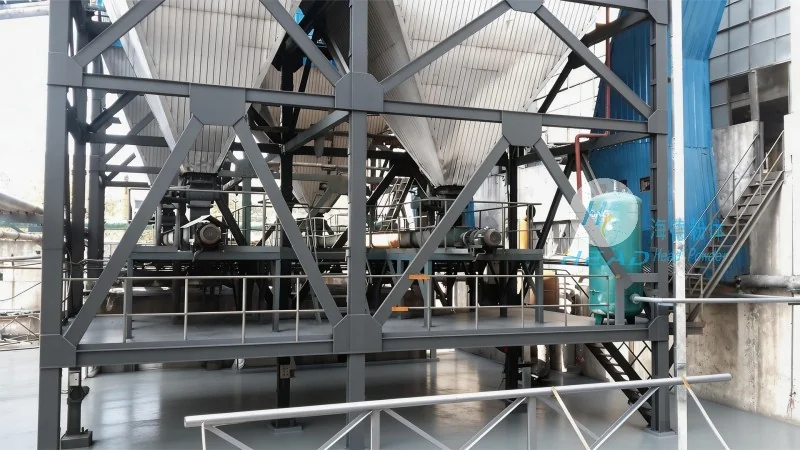
Low-pressure powder conveying lines offer several technical advantages that make them ideal for various industrial applications. One of the primary benefits is their ability to handle a wide range of powder types, including fine powders, granules, and bulk materials. The system is also capable of transporting materials over long distances with minimal pressure loss, making it suitable for both short and medium-range applications. Additionally, the low-pressure operation reduces energy consumption and equipment wear, leading to lower operational costs and longer system lifespan. HeadPowder’s low-pressure powder conveying lines are designed to address specific industry requirements, such as handling sensitive materials, maintaining product purity, and ensuring compliance with regulatory standards. These systems are widely used in pharmaceutical manufacturing for transporting active ingredients, in food processing for handling powders like flour and sugar, and in chemical industries for transporting raw materials and intermediates.
In conclusion, low-pressure powder conveying lines are critical components in modern industrial operations, providing efficient and reliable material handling solutions. The operation process and working principles of these systems are designed to optimize performance, ensure safety, and maintain product integrity. HeadPowder Engineering Co., Ltd., with its expertise and commitment to quality, offers customized low-pressure powder conveying lines that meet the diverse needs of various industries. By understanding the detailed mechanics and advantages of such systems, businesses can enhance their operational efficiency and achieve better results in their material handling processes.

 Shandong Headpowder Engineering Co., Ltd.
 156-6277-7102(Manager Zhang)
  0531-83386006
  Zhangqiu District, Jinan City, Shandong Province, China
telephone
WeChatconsult
top