With more than 10‑year industry experience, Shandong Headpowder delivers full‑service pneumatic‑conveying systems and blowers, undertaking nationwide turn‑key powder‑handling projects.
Intelligent weighing pneumatic conveying lines represent a sophisticated integration of material handling and process control technologies, designed to efficiently transport bulk materials while enabling precise weight measurement and real-time process monitoring. This advanced system combines pneumatic conveying mechanisms with intelligent weighing systems, offering enhanced accuracy, flexibility, and operational efficiency in industrial applications.
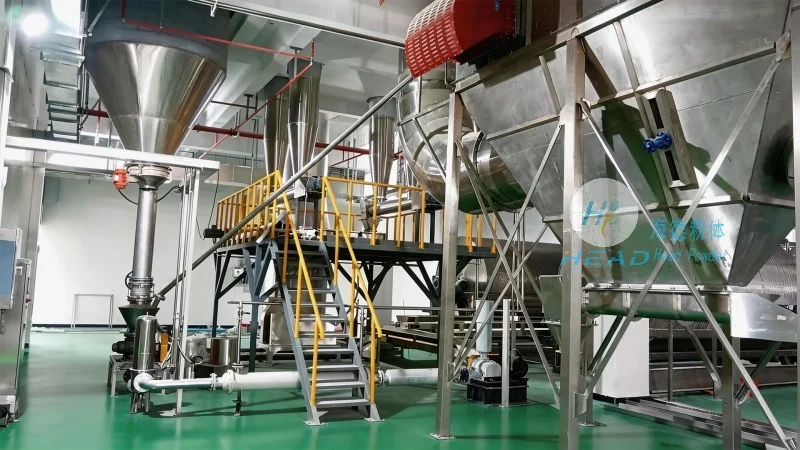
An intelligent weighing pneumatic conveying line is a specialized equipment system used to transport bulk materials such as powders, granules, and fine particles through a pipeline network using compressed air or other gas streams. Unlike traditional conveying systems that may lack integrated weighing capabilities, this modern solution incorporates advanced load cells, sensors, and control units to provide real-time weight measurement and data logging. The system is engineered to ensure consistent material flow, minimize product loss, and maintain high levels of operational safety and reliability.
The design of an intelligent weighing pneumatic conveying line is based on several core principles that ensure optimal performance and adaptability to diverse industrial requirements. These principles include: 1. **Pneumatic Conveying Mechanism**: The system utilizes a pressure differential to move materials through pipelines, with options ranging from low-pressure to high-pressure systems depending on the material characteristics and conveying distance. 2. **Intelligent Weighing Integration**: Advanced load cells and digital scales are integrated into the conveying line to provide accurate weight measurement at various points, such as feed hoppers, transfer points, or discharge stations. 3. **Closed-Loop Control**: Real-time data from weighing sensors is fed into a control system, enabling automated adjustments to air pressure, material feed rates, and conveying speed to maintain consistent weight and flow rates. 4. **Modular and Scalable Architecture**: The system is designed with modular components that allow for easy expansion or reconfiguration to accommodate changing production needs or additional material handling requirements.
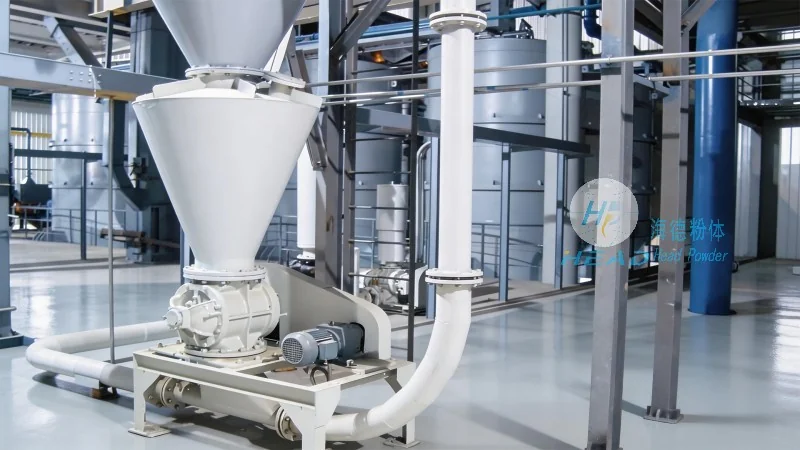
The intelligent weighing pneumatic conveying line consists of several critical components, each playing a vital role in the overall operation. These components include: 1. **Feed Hopper and Material Feeder**: The feed hopper stores the bulk material and feeds it into the conveying system at a controlled rate. The feeder may be a screw feeder, rotary valve, or other type of metering device to ensure precise material input. 2. **Conveying Pipeline and Air Compressor**: The pipeline network transports the material using compressed air, with the air compressor providing the necessary pressure to move the material through the system. The pipeline is typically made of stainless steel or other corrosion-resistant materials to handle various material types. 3. **Weighing Hopper and Load Cells**: The weighing hopper is equipped with load cells that measure the weight of the material as it accumulates, providing real-time data on the quantity being conveyed. 4. **Control System and Sensors**: A central control unit processes data from the weighing sensors and other components, controlling the air compressor, feeder, and other system elements to maintain optimal operation. Sensors may include pressure transducers, flow meters, and level detectors to monitor system performance and detect abnormalities. 5. **Discharge and Diverter Valves**: The system includes valves that direct the material to the desired discharge point, with options for multiple destinations or return loops to optimize material flow and reduce waste.
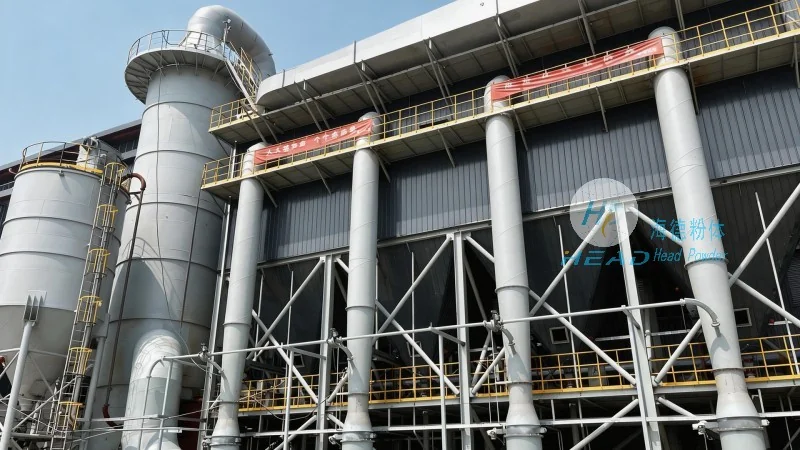
Implementing an intelligent weighing pneumatic conveying line offers numerous benefits for industrial operations. These advantages include: 1. **Enhanced Accuracy and Precision**: The integrated weighing system ensures accurate measurement of material quantities, reducing errors and improving product consistency. 2. **Increased Efficiency and Throughput**: Automated control and real-time monitoring allow for optimized material flow, minimizing downtime and maximizing production output. 3. **Reduced Material Loss and Waste**: Precise control of feed rates and conveying speed reduces material spillage and loss, leading to cost savings and environmental benefits. 4. **Improved Safety and Reliability**: The system is designed with safety features such as pressure relief valves, emergency shut-off mechanisms, and regular maintenance alerts to ensure safe and reliable operation. 5. **Flexibility and Adaptability**: Modular design allows the system to be easily adjusted or expanded to accommodate different material types, production volumes, or process requirements.
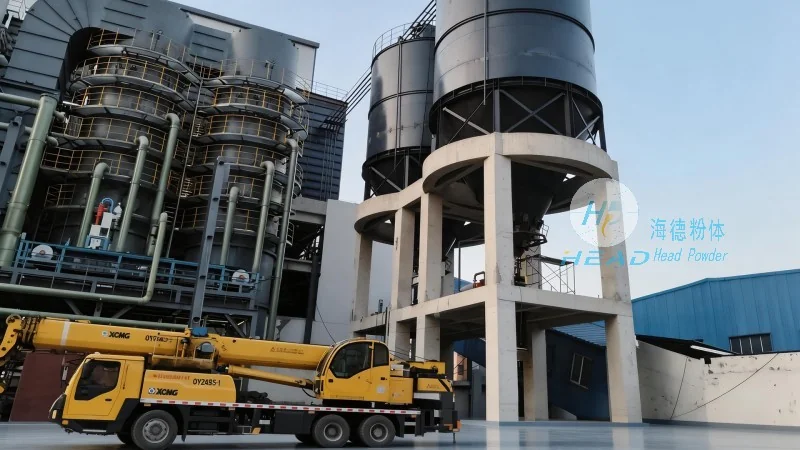
Intelligent weighing pneumatic conveying lines are widely used in various industries that handle bulk materials. Common applications include: 1. **Pharmaceutical and Food Processing**: For transporting powders, granules, and other food-grade materials with strict quality and hygiene requirements. 2. **Chemical and Petrochemical Industries**: For handling chemicals, pigments, and other hazardous materials with precise weight control and safety considerations. 3. **Mining and Minerals Processing**: For conveying ores, minerals, and other bulk solids in mining operations, where accurate measurement and efficient transport are critical. 4. **Plastics and Rubber Manufacturing**: For transporting raw materials such as polymers, additives, and fillers to production lines. 5. **Cement and Construction Materials**: For conveying cement, fly ash, and other construction materials in cement plants and construction sites.
In summary, an intelligent weighing pneumatic conveying line is a highly advanced system that combines pneumatic conveying technology with intelligent weighing and control capabilities. By adhering to rigorous design principles and incorporating modular, scalable components, this system provides accurate material measurement, efficient transport, and enhanced operational efficiency. As a leading provider in this field, Shandong HeadPowder Engineering Co., Ltd. specializes in designing and manufacturing such systems to meet the diverse needs of industrial clients, ensuring reliable and cost-effective material handling solutions.

 Shandong Headpowder Engineering Co., Ltd.
 156-6277-7102(Manager Zhang)
  0531-83386006
  Zhangqiu District, Jinan City, Shandong Province, China
telephone
WeChatconsult
top