With more than 10‑year industry experience, Shandong Headpowder delivers full‑service pneumatic‑conveying systems and blowers, undertaking nationwide turn‑key powder‑handling projects.
Gray silo powder conveying lines represent a sophisticated solution for the efficient and reliable transfer of bulk powders from storage silos to various processing or packaging stages in industrial settings. These systems are integral to industries such as food, pharmaceuticals, chemicals, and mining, where the handling of fine or cohesive powders demands precision and control. The primary objective of a gray silo powder conveying line is to maintain the integrity of the material while ensuring consistent flow rates, minimizing the risk of product degradation, clogging, or contamination. By integrating advanced engineering principles with robust construction, these lines provide a seamless and automated approach to powder handling, enhancing overall operational efficiency.
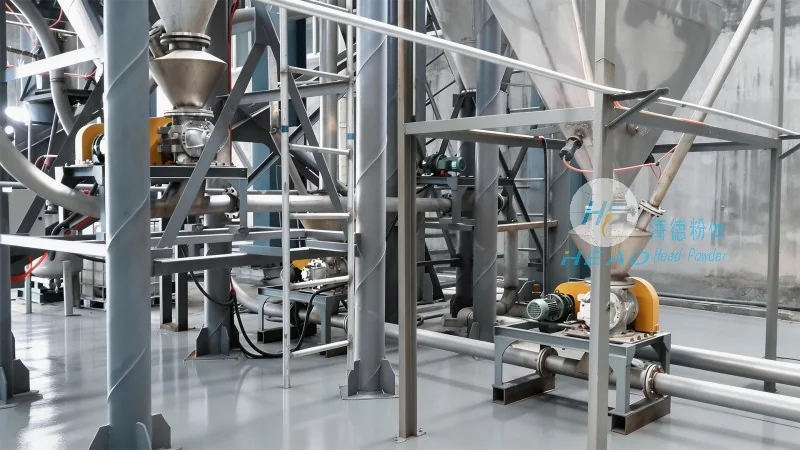
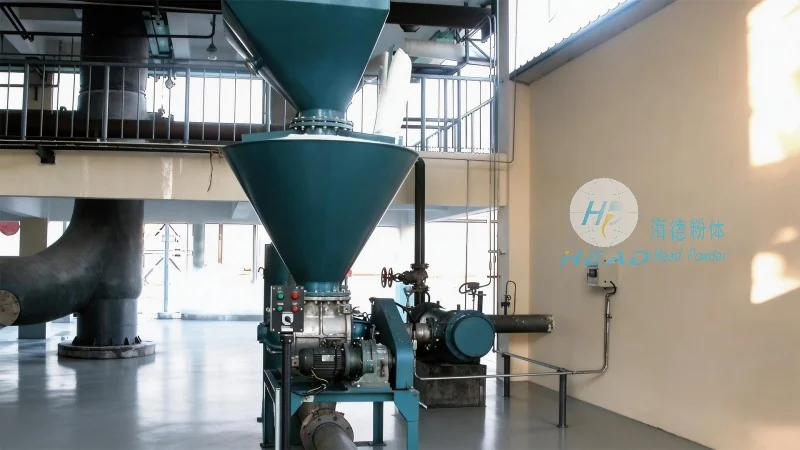
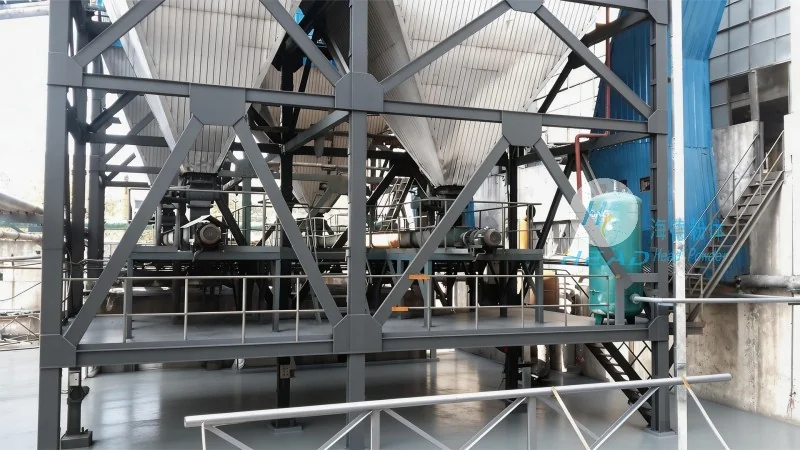
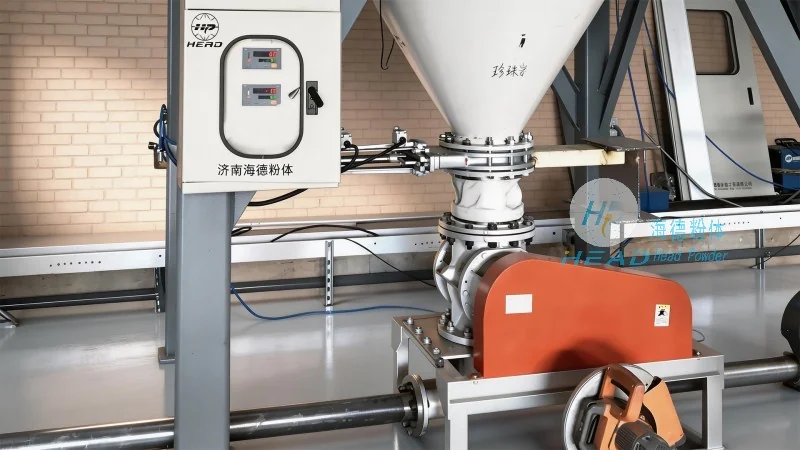
The effectiveness of a gray silo powder conveying line relies on the coordinated operation of several critical components. The silo, typically made of stainless steel or other corrosion-resistant materials, serves as the primary storage vessel, designed to hold large quantities of powder while maintaining structural integrity under pressure. The conveying system, which may include pneumatic or mechanical components, is responsible for moving the powder from the silo to the discharge point. Pneumatic systems utilize compressed air or carrier gases to fluidize the powder and create a pressure differential that drives the material through the pipeline. Mechanical systems, such as screw conveyors or belt conveyors, rely on mechanical force to transport the powder. The control panel, equipped with sensors and programmable logic controllers (PLCs), allows operators to monitor system parameters, adjust flow rates, and respond to any anomalies in real-time. Auxiliary equipment, including filters and dust collectors, is essential for maintaining air quality and preventing the release of dust particles into the environment, ensuring compliance with safety and environmental regulations.

 Shandong Headpowder Engineering Co., Ltd.
 156-6277-7102(Manager Zhang)
  0531-83386006
  Zhangqiu District, Jinan City, Shandong Province, China
telephone
WeChatconsult
top