With more than 10‑year industry experience, Shandong Headpowder delivers full‑service pneumatic‑conveying systems and blowers, undertaking nationwide turn‑key powder‑handling projects.
HeadPowder, a leading engineering company based in Shandong, China, specializes in the design, manufacturing, and installation of advanced pneumatic conveying systems for various industrial applications. The company's expertise lies in developing efficient solutions for handling bulk materials, including seaweed residue pellets, which are increasingly important in sustainable waste management and biofuel production. This article provides a detailed overview of the operation process and working principle of the seaweed residue pellet pneumatic conveying system equipment, highlighting its key components, operational steps, and technical advantages.
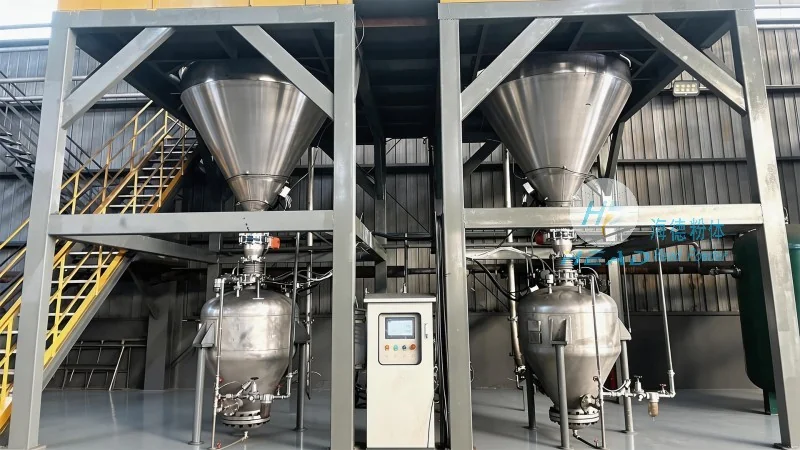
The seaweed residue pellet pneumatic conveying system is a sophisticated piece of industrial equipment engineered to transport bulk materials through an enclosed pipeline using a pressurized or vacuum air stream. The system typically consists of several core components that work in tandem to ensure reliable and efficient material handling. These components include a material feeder, a conveying pipeline, a pressure vessel or receiver, a blower or vacuum pump, and a control system. Each component plays a critical role in the overall operation, ensuring that the seaweed residue pellets are moved from the source to the destination without degradation or loss.
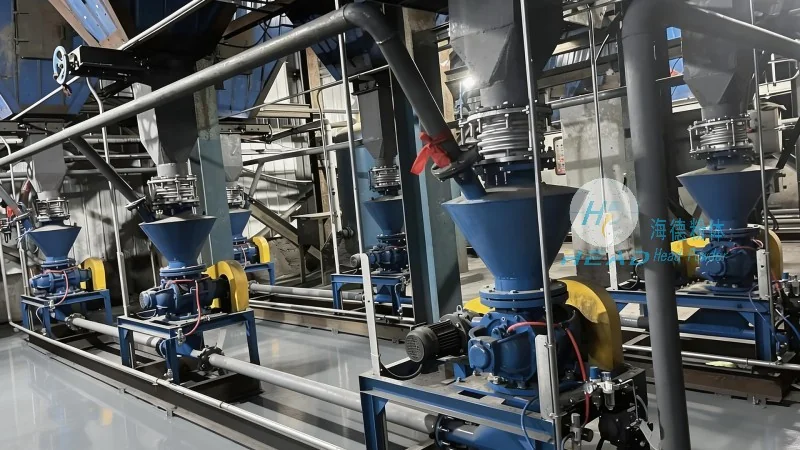
The operation of the seaweed residue pellet pneumatic conveying system follows a systematic sequence of steps, designed to maximize efficiency and minimize downtime. The process begins with the preparation phase, where the seaweed residue is processed into uniform pellets and stored in a hopper or silo. The material feeder then takes over, feeding the pellets into the conveying pipeline at a controlled rate. Simultaneously, the blower or vacuum pump generates the necessary air pressure or vacuum to move the material through the pipeline. As the pellets are introduced into the air stream, they are carried along the pipeline to the receiving vessel or processing plant. The control system monitors the flow rate, pressure, and other parameters, adjusting the feeder speed or air volume as needed to maintain optimal performance. The system concludes with the emptying of the receiving vessel, where the seaweed residue pellets are deposited for further processing or storage.
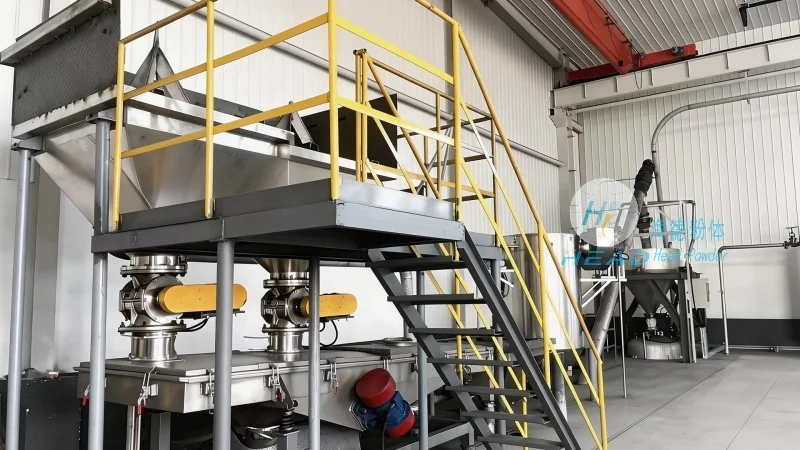
The fundamental principle behind the seaweed residue pellet pneumatic conveying system is the use of air as a medium to transport solid particles. This method, known as pneumatic conveying, relies on the interaction between the air stream and the material particles to achieve movement. There are two primary types of pneumatic conveying systems: pressure and vacuum. In a pressure system, the blower creates positive pressure in the pipeline, pushing the material forward. In a vacuum system, a vacuum pump creates negative pressure, pulling the material into the pipeline. The choice between these systems depends on factors such as the distance to be covered, the material's properties, and the desired flow rate. For seaweed residue pellets, which are relatively light and have a low density, a pressure system is often preferred as it provides consistent and reliable transport. The system's efficiency is further enhanced by the use of special materials for the pipeline and components, such as stainless steel or high-density polyethylene, which are resistant to corrosion and abrasion caused by the pellets.
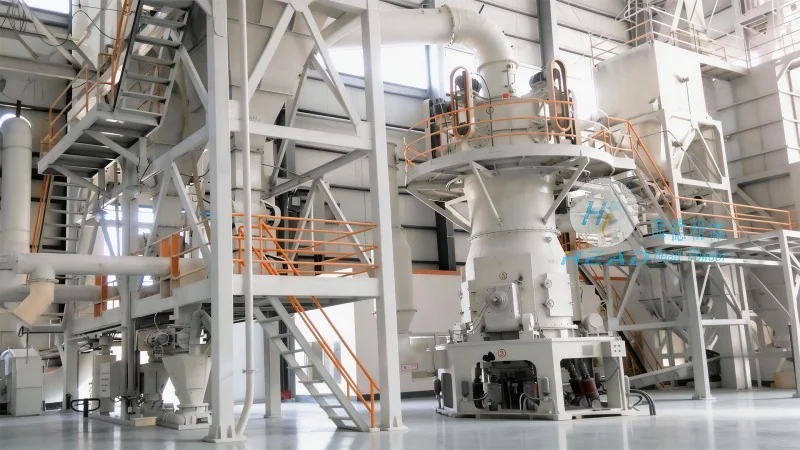
The seaweed residue pellet pneumatic conveying system offers several technical advantages that make it an ideal solution for handling bulk materials in industrial settings. One of the key benefits is its ability to transport materials over long distances without the need for intermediate transfer points, reducing the risk of material spillage and contamination. The enclosed pipeline design also minimizes dust emissions and improves workplace safety, which is particularly important when handling organic materials like seaweed residue. Additionally, the system's flexibility allows for easy integration with existing production lines and can be scaled to accommodate varying material volumes. In terms of applications, the system is widely used in the biofuel industry, where seaweed residue is processed into pellets for use as a renewable energy source. It is also used in waste management facilities, where the system helps to transport processed seaweed residue to disposal or recycling sites. The system's efficiency and reliability make it a preferred choice for industries that require consistent and high-volume material transport.

 Shandong Headpowder Engineering Co., Ltd.
 156-6277-7102(Manager Zhang)
  0531-83386006
  Zhangqiu District, Jinan City, Shandong Province, China
telephone
WeChatconsult
top