With more than 10‑year industry experience, Shandong Headpowder delivers full‑service pneumatic‑conveying systems and blowers, undertaking nationwide turn‑key powder‑handling projects.
Efficient and reliable powder delivery is a critical aspect of various industrial processes, particularly in the manufacturing of explosives and other pyrotechnic materials. The choice of delivery method significantly impacts production efficiency, safety, and product quality. This article explores the common methods used for powder delivery, focusing on the expertise and solutions provided by Shandong HeadPowder Engineering Co., Ltd., a leading company in the field.
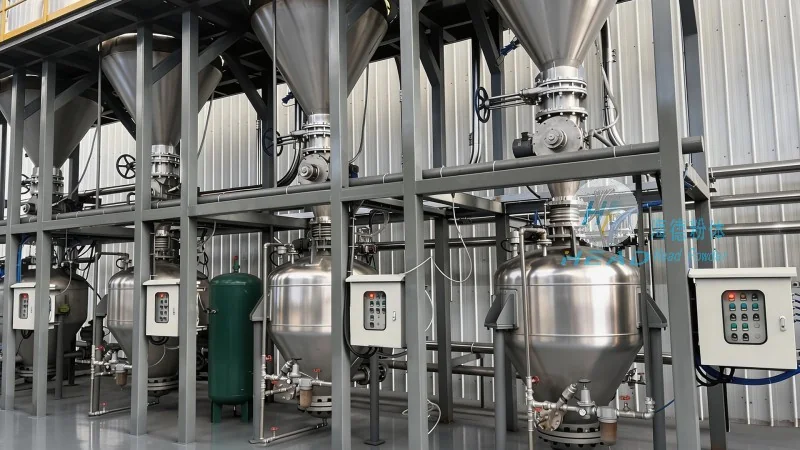
Powder delivery systems are designed to transport bulk powders from storage to processing or packaging areas. The primary goal is to ensure consistent flow, minimize material degradation, and maintain safety standards. Different industries, such as pharmaceuticals, food processing, and chemical manufacturing, employ various techniques tailored to their specific needs. For companies like HeadPowder, understanding these methods is essential to develop customized solutions that meet client requirements.
One of the most traditional and widely used methods for powder delivery is pipeline transport. This approach involves conveying powders through closed pipes using pressure or vacuum. The system typically includes a hopper, a feeder, and a pipeline network that connects the storage to the processing unit. Pipeline delivery is particularly effective for materials that are non-abrasive and have a relatively uniform particle size. It offers advantages such as continuous operation, reduced labor costs, and improved safety by containing the material within a sealed system. However, it may require significant infrastructure investment and is less suitable for abrasive or highly variable powders.
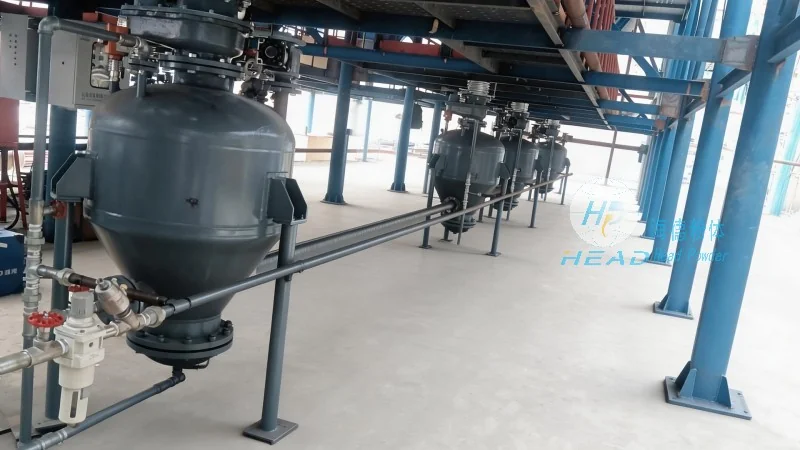
Air-driven or pneumatic conveying is another common method that utilizes compressed air to move powders. This technique is highly versatile and can handle a wide range of materials, including fine powders and granules. The system operates by creating a pressure differential between the hopper and the processing area, which draws the powder into the pipeline. There are two main types of pneumatic conveying: pressure and vacuum. Pressure systems use positive pressure to push the material, while vacuum systems use negative pressure to pull it. Pneumatic conveying offers benefits like flexibility in layout, ability to transport materials over long distances, and reduced equipment wear compared to mechanical systems. However, it may be less efficient for very fine powders and can lead to higher energy consumption.
Mechanical conveying methods rely on mechanical components to move powders. These include screw conveyors, belt conveyors, and bucket elevators. Screw conveyors use a rotating screw to push the material forward, making them suitable for horizontal or slightly inclined transport. Belt conveyors are ideal for transporting larger quantities of bulk materials over longer distances. Bucket elevators are used for vertical transport, lifting powders from lower to higher levels. Mechanical conveying systems are generally more cost-effective for handling abrasive or heavy materials and can be easily integrated into existing production lines. However, they may require more maintenance and are less suitable for fine powders that can cause wear on the equipment.
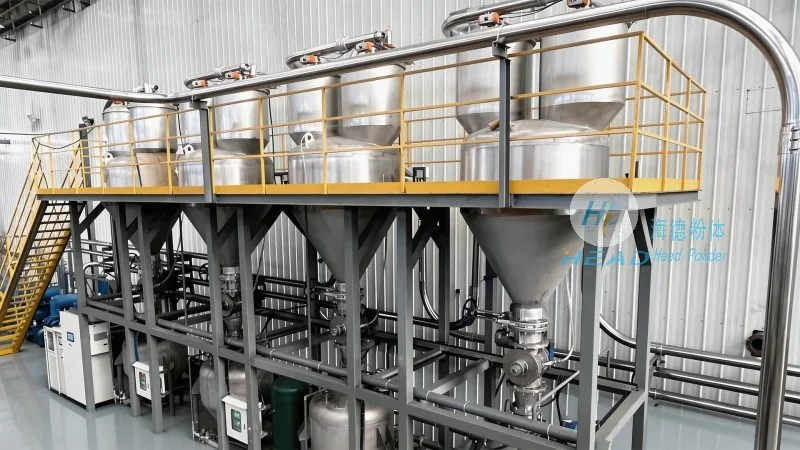
In many industrial applications, a combination of the above methods is used to create hybrid systems. For example, a pneumatic conveyor might be used to transport powders from a storage silo to a processing area, followed by a mechanical conveyor to deliver the material to the final packaging stage. Hybrid systems offer the benefits of each individual method, providing flexibility, efficiency, and adaptability to diverse material characteristics. Shandong HeadPowder Engineering Co., Ltd. specializes in designing and implementing such hybrid solutions, ensuring optimal performance and safety for their clients.
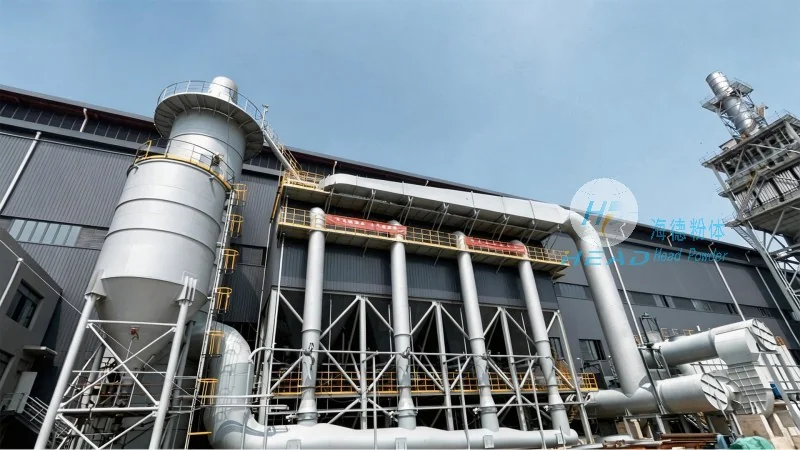
When selecting a powder delivery method, several factors must be considered. These include the physical properties of the powder (such as particle size, density, and moisture content), the required flow rate, the distance to be covered, and the environmental and safety regulations. The material's abrasiveness and tendency to clog or agglomerate also play a crucial role. For instance, highly abrasive powders may necessitate the use of wear-resistant materials in the pipeline and equipment, while sticky powders might require additional measures to prevent blockages. Additionally, the cost of installation, operation, and maintenance should be evaluated to ensure the chosen method is economically viable.
Choosing the right powder delivery method is essential for optimizing industrial processes and ensuring product quality. From traditional pipeline systems to modern pneumatic and mechanical solutions, each method has its advantages and limitations. Companies like Shandong HeadPowder Engineering Co., Ltd. leverage their expertise to assess client needs and design customized delivery systems that enhance efficiency, safety, and reliability. By understanding the specific requirements of the material and the production environment, businesses can select the most appropriate method to achieve their operational goals.

 Shandong Headpowder Engineering Co., Ltd.
 156-6277-7102(Manager Zhang)
  0531-83386006
  Zhangqiu District, Jinan City, Shandong Province, China
telephone
WeChatconsult
top