With more than 10‑year industry experience, Shandong Headpowder delivers full‑service pneumatic‑conveying systems and blowers, undertaking nationwide turn‑key powder‑handling projects.
When it comes to the efficient handling and transportation of sawdust and wood flour, selecting the right conveying method is crucial for maintaining productivity and ensuring the quality of the material. Various technologies are available, each with its own advantages and applications. This article explores the primary methods used for sawdust and wood flour conveying, providing insights into how different systems can meet the specific needs of industrial operations.
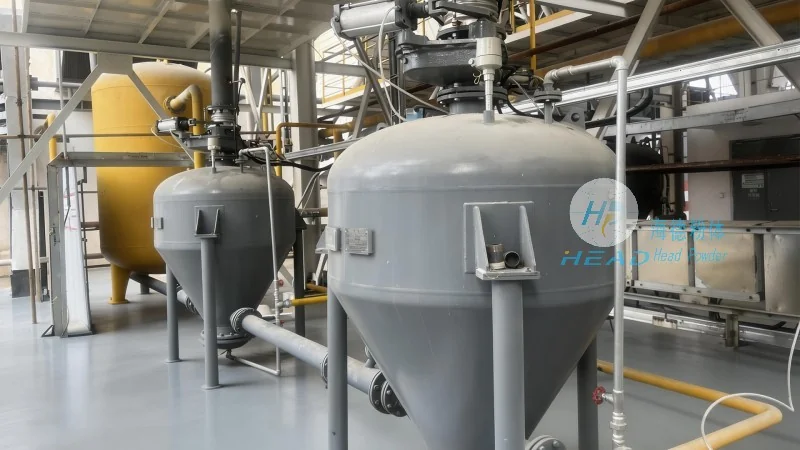
Conveying systems for sawdust and wood flour are designed to handle fine, lightweight materials that can be prone to dusting and clogging. The choice of system depends on factors such as material characteristics, production volume, and the distance over which the material needs to be transported. Common methods include pneumatic conveying, mechanical screw conveyors, and bucket elevators. Each method has its unique benefits and limitations, which are discussed below.
Pneumatic conveying, also known as air conveying, is a popular method for transporting sawdust and wood flour due to its ability to handle fine powders and minimize material degradation. This system uses air pressure or vacuum to move the material through a pipeline. There are two main types of pneumatic conveying: pressure and vacuum. Pressure systems use compressed air to push the material forward, while vacuum systems use a vacuum to pull the material into the pipeline. Pneumatic conveying is particularly effective for long-distance transport and can handle materials that are difficult to convey with mechanical systems.
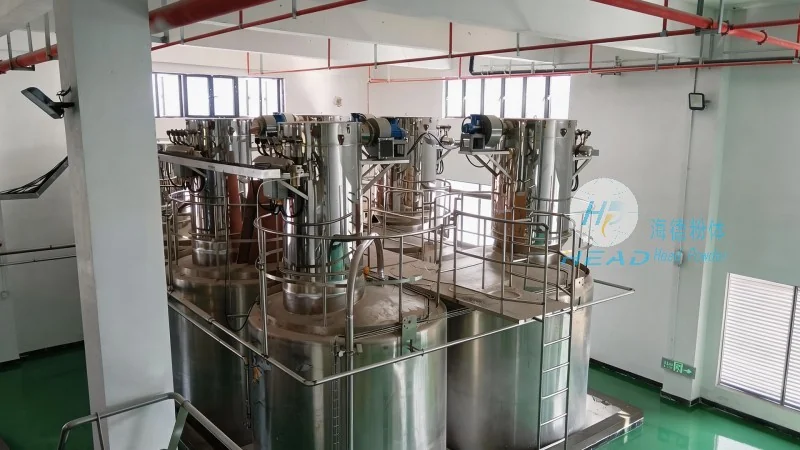
Mechanical screw conveyors, also known as auger conveyors, are another common method for sawdust and wood flour conveying. These systems consist of a rotating screw (auger) inside a trough or tube, which moves the material forward. Screw conveyors are suitable for short to medium distances and can handle a wide range of material consistencies. They are relatively simple in design and maintenance, making them a cost-effective option for many applications. However, they may not be as efficient for very fine or dusty materials, as the screw can cause excessive friction and heat buildup.
Bucket elevators are vertical or inclined conveyors that use a series of buckets attached to a chain or belt to lift and transport material. This method is ideal for vertical or steep incline transport and can handle a high volume of material. Bucket elevators are particularly effective for handling bulk materials and can be used in both horizontal and vertical configurations. They are often used in combination with other conveying systems to create a complete material handling solution.
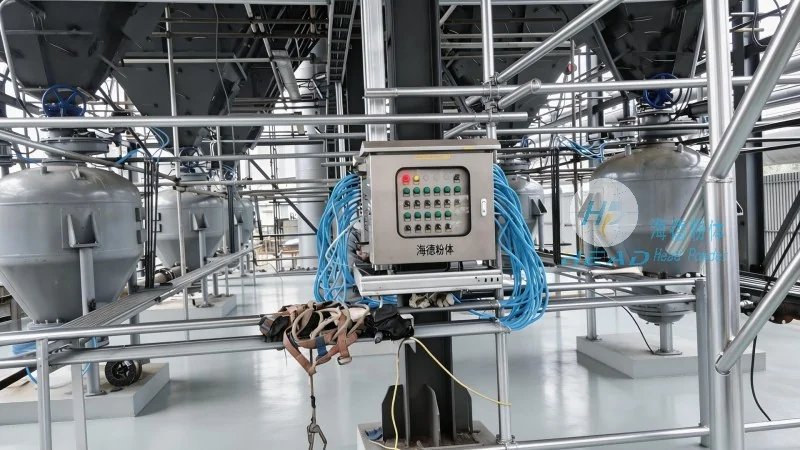
When selecting a conveying method for sawdust and wood flour, several factors must be considered to ensure optimal performance and efficiency. The first is the material's properties, such as particle size, moisture content, and bulk density. Fine, dry sawdust may be better suited for pneumatic conveying, while coarser or wetter materials may require mechanical screw conveyors. The second factor is the distance and elevation change required for transport. For short horizontal distances, a screw conveyor may be sufficient, while for longer distances or vertical lifts, a bucket elevator or pneumatic system may be more appropriate. The third factor is the desired capacity and speed of the system. High-volume operations may require multiple conveyors or larger systems, while smaller operations may only need a single conveyor. Finally, the cost of installation, operation, and maintenance should be considered, as these factors can significantly impact the overall efficiency of the system.
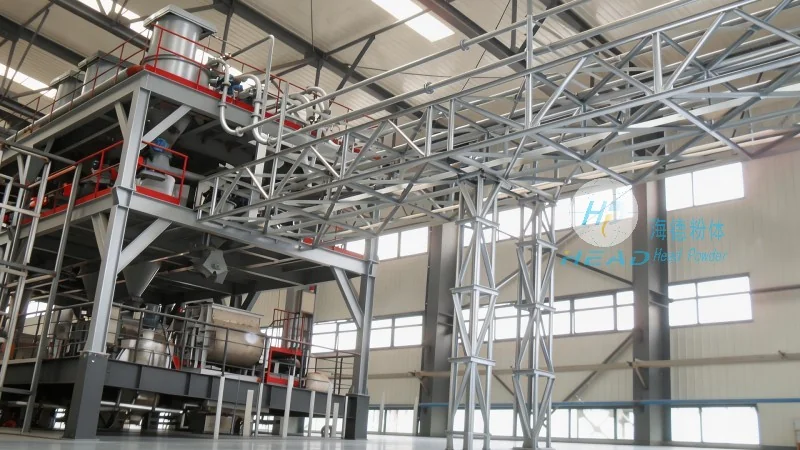
Sawdust and wood flour are widely used in various industries, including woodworking, paper manufacturing, and the production of composite materials. Efficient conveying is essential to ensure that these materials are transported to the next stage of processing without loss or degradation. For example, in the production of wood-based panels, sawdust is often mixed with resin and other additives before being conveyed to a press. In the paper industry, wood flour is used as a filler in paper products and must be conveyed to the mixing and processing areas. The choice of conveying method can impact the quality of the final product, as improper handling can lead to dusting, clogging, or contamination.
Choosing the right conveying method for sawdust and wood flour is critical to the success of industrial operations. Pneumatic conveying, mechanical screw conveyors, and bucket elevators are all viable options, each with its own advantages and limitations. By considering factors such as material properties, distance, capacity, and cost, businesses can select the most appropriate system for their needs. Proper maintenance and operation of the conveying system are also essential to ensure long-term efficiency and reliability. As the demand for wood-based products continues to grow, the importance of efficient sawdust and wood flour conveying will only increase, making it a key consideration for manufacturers and processors alike.

 Shandong Headpowder Engineering Co., Ltd.
 156-6277-7102(Manager Zhang)
  0531-83386006
  Zhangqiu District, Jinan City, Shandong Province, China
telephone
WeChatconsult
top