With more than 10‑year industry experience, Shandong Headpowder delivers full‑service pneumatic‑conveying systems and blowers, undertaking nationwide turn‑key powder‑handling projects.
Feather conveying is a critical process in various industries, particularly in the poultry and agricultural sectors, where efficient handling of feathers is essential for downstream processing and product quality. The choice of conveying method can significantly impact operational efficiency, cost-effectiveness, and the overall integrity of the feather material. Understanding the different approaches to feather conveying is crucial for businesses looking to optimize their workflow and enhance productivity.
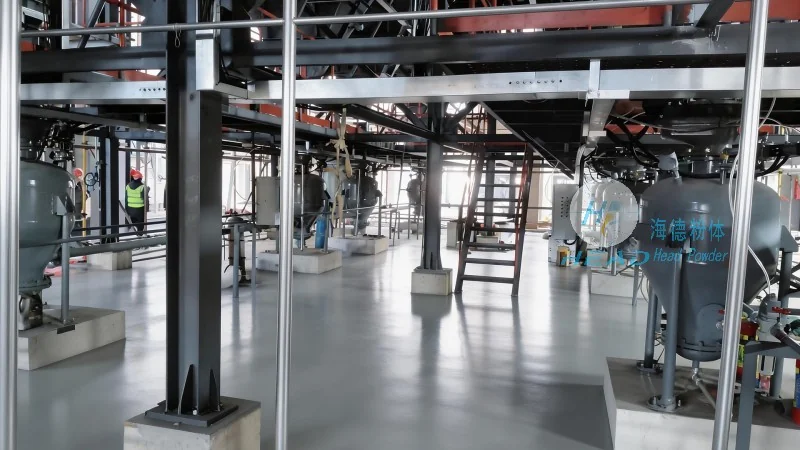
Feather conveying systems can be broadly categorized based on the technology used and the specific application requirements. The primary methods include mechanical conveyors, pneumatic conveying systems, and manual or semi-automated handling solutions. Each method has its own advantages and is suitable for different scenarios, ranging from small-scale operations to large industrial facilities.
Mechanical conveyors are a common and reliable choice for feather conveying. These systems typically utilize components such as belts, screws, or buckets to move feathers along a defined path. For instance, belt conveyors are widely used due to their simplicity and low maintenance requirements. They are particularly effective for transporting feathers over short to medium distances and can handle a variety of feather sizes and moisture levels. Screw conveyors, on the other hand, are ideal for vertical or inclined transport, providing a compact solution for moving feathers from one level to another. The choice between these mechanical options often depends on factors like the volume of feathers to be conveyed, the available space, and the desired speed of operation.
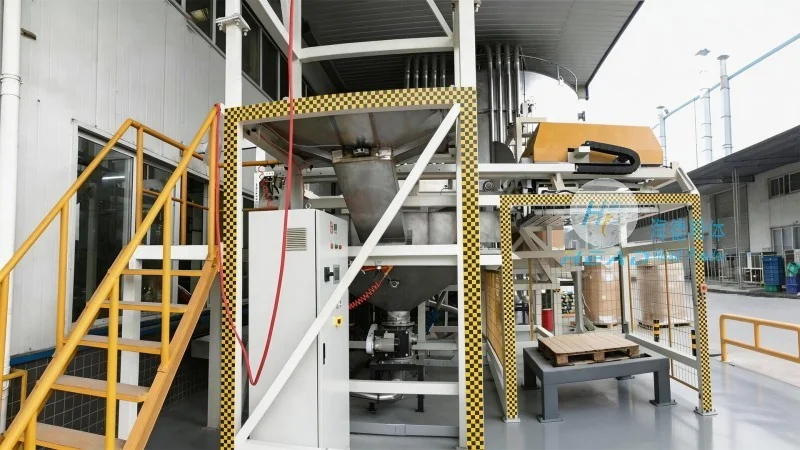
Pneumatic conveying systems use air pressure or vacuum to transport feathers through a pipeline. This method is particularly advantageous for handling fine or delicate feathers, as it minimizes physical contact and reduces the risk of damage. Pneumatic systems can be further classified into positive displacement and negative pressure (or vacuum) types. Positive displacement systems, such as rotary lobe or rotary valve pumps, are suitable for high-volume conveying and can handle abrasive materials without significant wear. Vacuum systems, often using fan-driven setups, are more suitable for lighter loads and shorter distances. The flexibility of pneumatic conveying allows for integration with other processing equipment, enabling a seamless workflow from collection to processing.
For smaller operations or situations where automation is not feasible, manual and semi-automated handling solutions are practical alternatives. These methods may involve the use of containers, buckets, or manual conveyors to move feathers. While less efficient than mechanical or pneumatic systems in terms of speed and volume, they offer cost-effectiveness and simplicity. Semi-automated solutions, such as conveyor belts with manual loading and unloading, can bridge the gap between manual and fully automated systems, providing a balance between efficiency and operational flexibility.
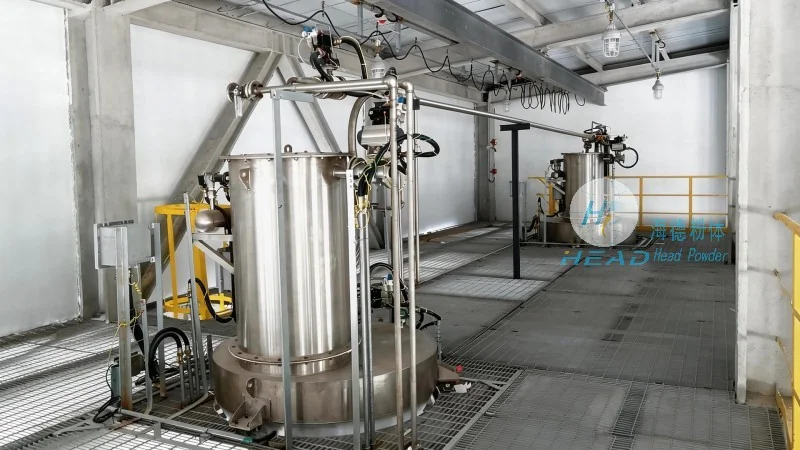
When selecting a feather conveying method, several factors must be considered to ensure optimal performance and alignment with business objectives. First, the volume and characteristics of the feathers, including size, moisture content, and density, play a crucial role. Larger or heavier feathers may require more robust mechanical systems, while fine or lightweight feathers might benefit from pneumatic solutions. Second, the distance and layout of the conveying path are critical. For short distances, mechanical conveyors may suffice, whereas long-distance transport often necessitates pneumatic systems or specialized belt configurations. Third, the budget and maintenance requirements are important considerations. Mechanical systems generally have lower initial costs and simpler maintenance, whereas pneumatic systems may require more frequent filter changes and air system upkeep. Finally, the integration with existing processing equipment and the need for scalability should be evaluated. A well-designed conveying system should not only meet current needs but also accommodate future growth and changes in production.
Choosing the appropriate feather conveying method is a decision that impacts operational efficiency, product quality, and overall business success. By carefully evaluating the specific requirements of the operation, including volume, distance, and material characteristics, businesses can select a conveying system that maximizes performance and minimizes costs. Whether opting for mechanical, pneumatic, or semi-automated solutions, the goal is to create a seamless and efficient workflow that supports the downstream processing of feathers. Companies like Shandong HeadPowder Engineering Co., Ltd., a leading provider of specialized conveying solutions, offer expertise in designing and implementing efficient feather conveying systems. With a strong focus on engineering excellence and customer satisfaction, HeadPowder delivers tailored solutions that meet the unique needs of each operation. Whether it's mechanical, pneumatic, or semi-automated systems, their products are engineered to ensure reliable performance, minimal maintenance, and optimal feather handling. By partnering with HeadPowder, businesses can enhance their workflow, improve product quality, and achieve greater operational efficiency in feather processing.

 Shandong Headpowder Engineering Co., Ltd.
 156-6277-7102(Manager Zhang)
  0531-83386006
  Zhangqiu District, Jinan City, Shandong Province, China
telephone
WeChatconsult
top