With more than 10‑year industry experience, Shandong Headpowder delivers full‑service pneumatic‑conveying systems and blowers, undertaking nationwide turn‑key powder‑handling projects.
Compound fertilizer pneumatic conveying systems are critical components in modern agricultural and industrial operations, facilitating the efficient transport of bulk materials like mixed fertilizers. These systems are designed to handle large volumes of material with minimal human intervention, ensuring consistent performance and reliability in material handling processes. Understanding the operation process and working principle of such equipment is essential for optimizing production lines and maintaining operational efficiency.
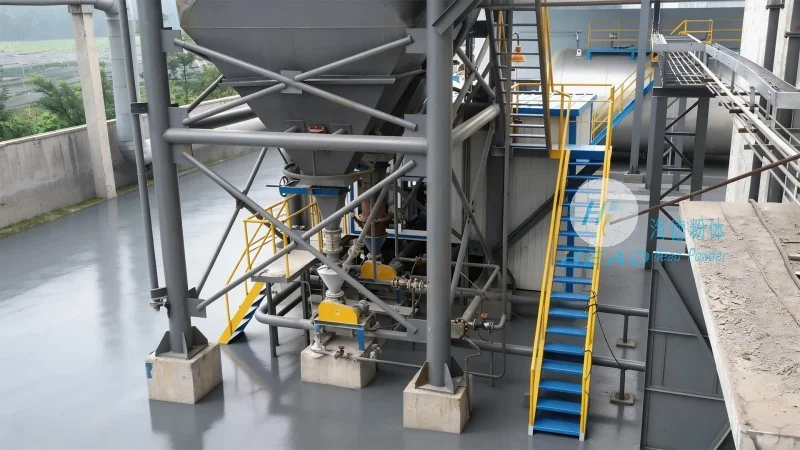
HeadPowder, a leading manufacturer based in Shandong, China, specializes in the design, development, and implementation of advanced pneumatic conveying solutions for the fertilizer industry. With a strong commitment to innovation and quality, the company has established itself as a trusted partner for businesses seeking reliable and efficient material handling systems. The company’s headquarters and operational base are located in Shandong, where it leverages local resources and expertise to deliver tailored solutions that meet the specific needs of its clients.
A compound fertilizer pneumatic conveying system typically consists of several key components, including a hopper for material storage, a conveyor line (often using air as the conveying medium), a control system for regulating airflow and pressure, and a discharge unit for delivering the material to its final destination. The system operates by using compressed air to create a flow that transports the fertilizer particles through the pipeline, ensuring smooth and continuous movement of the material from the source to the processing or storage area.
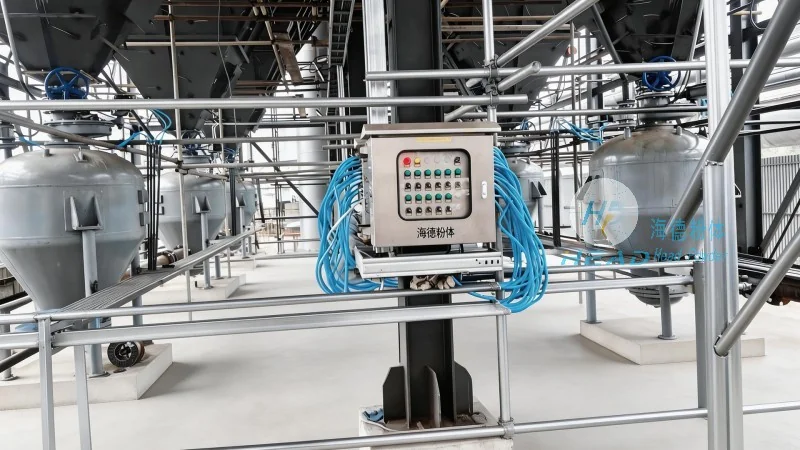
The operation process of a compound fertilizer pneumatic conveying system begins with the loading of raw materials into the hopper. The material is then fed into the conveyor line through an airlock or feeder, which controls the flow rate and prevents material from escaping. Compressed air is introduced into the system, creating a pressure differential that propels the fertilizer particles along the pipeline. The control system monitors the pressure and flow rate, adjusting the air supply as needed to maintain optimal conveying conditions. The material is transported to the discharge point, where it is collected in a storage tank or directly fed into the next stage of the production process. Throughout the operation, the system ensures minimal material loss and consistent quality, thanks to its precise control mechanisms and robust design.
The working principle of a compound fertilizer pneumatic conveying system relies on the fundamental physics of fluid dynamics and particle transport. When compressed air is introduced into the conveying line, it creates a high-velocity flow that entrains the fertilizer particles, lifting them off the pipe walls and moving them along the pipeline. The system uses either positive pressure (where air is blown into the line) or negative pressure (where air is drawn out of the line) to achieve the desired conveying effect. Positive pressure systems are commonly used for short to medium distance conveying, as they require less maintenance and are more efficient for handling dry, free-flowing materials like fertilizers. Negative pressure systems, on the other hand, are suitable for longer distances and can handle more diverse material types, including those with higher moisture content or larger particle sizes.
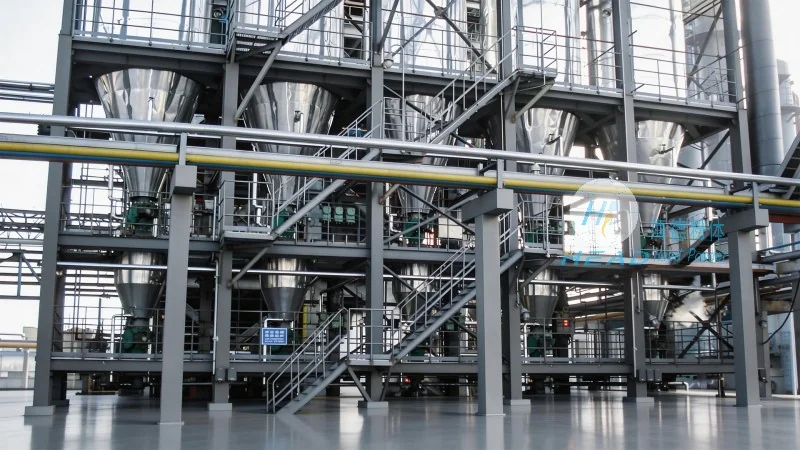
Several critical components work together to ensure the smooth operation of a compound fertilizer pneumatic conveying system. The hopper serves as the storage container, holding the raw fertilizer and providing a controlled feed to the conveyor line. The feeder or airlock regulates the material flow, preventing it from clogging the system and ensuring a consistent supply of material. The control system manages the air pressure and flow rate, using sensors and valves to adjust the system parameters in real-time. The pipeline is made of durable materials, such as stainless steel or plastic, to withstand the abrasive nature of fertilizer particles and resist corrosion. The discharge unit collects the conveyed material and directs it to the next stage of processing, ensuring efficient material transfer without loss or contamination.
Implementing a compound fertilizer pneumatic conveying system offers numerous advantages over traditional material handling methods. One of the primary benefits is the ability to handle large volumes of material with minimal labor, reducing operational costs and increasing productivity. The system also provides a dust-free and hygienic environment, which is crucial for maintaining the quality of fertilizers and ensuring compliance with industry standards. Additionally, pneumatic conveying systems are flexible and can be easily integrated into existing production lines, allowing for seamless expansion or modification of the facility. The consistent and reliable performance of these systems minimizes downtime and reduces the risk of material damage or loss, contributing to overall operational efficiency.

 Shandong Headpowder Engineering Co., Ltd.
 156-6277-7102(Manager Zhang)
  0531-83386006
  Zhangqiu District, Jinan City, Shandong Province, China
telephone
WeChatconsult
top