With more than 10‑year industry experience, Shandong Headpowder delivers full‑service pneumatic‑conveying systems and blowers, undertaking nationwide turn‑key powder‑handling projects.
This section provides an overview of the Polychlorotrifluoroethylene (PCTFE) pneumatic conveying system equipment, highlighting its design and purpose. The system is engineered to efficiently transport PCTFE materials through an air-driven process, ensuring minimal material degradation and optimal performance. As a specialized solution, this equipment is widely used in industries requiring precise handling of PCTFE, a fluoropolymer known for its excellent chemical resistance and thermal stability.
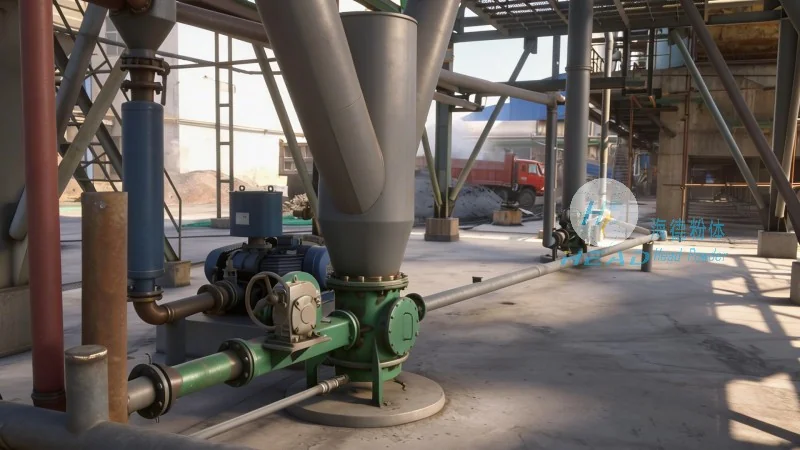
The Polychlorotrifluoroethylene pneumatic conveying system consists of several critical components that work in tandem to achieve effective material transport. These include the hopper for material storage, the air compressor that generates the necessary pressure for conveying, the conveying line (often equipped with PCTFE-resistant materials to prevent corrosion), and the discharge unit where the material is released. Each component is carefully selected to withstand the unique properties of PCTFE, ensuring durability and long-term operation.
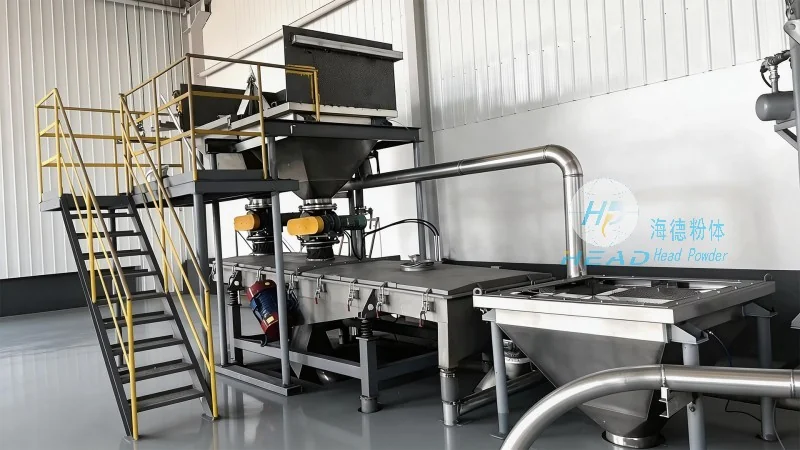
The operation process of the Polychlorotrifluoroethylene pneumatic conveying system involves several sequential steps. First, the PCTFE material is loaded into the hopper. The air compressor then activates, generating a flow of air that creates a vacuum or pressure differential within the conveying line. This differential draws the PCTFE particles into the line, where they are carried to the discharge point. The system maintains a consistent flow rate by adjusting the air pressure and material feed rate, ensuring smooth and continuous operation. The entire process is automated, allowing for precise control and minimal human intervention.

The working principle of the Polychlorotrifluoroethylene pneumatic conveying system is based on the fundamental principles of fluid dynamics and particle transport. When the air compressor operates, it forces air through the conveying line, creating a high-velocity airflow. This airflow generates a drag force on the PCTFE particles, lifting them from the hopper and transporting them through the system. The system utilizes either positive pressure (where air is blown into the line) or negative pressure (where air is drawn out), depending on the application requirements. The choice of pressure type affects the system's efficiency and suitability for different material sizes and flow rates. The PCTFE-resistant materials used in the system's components prevent chemical reactions with the PCTFE, maintaining the material's integrity throughout the conveying process.
Implementing a Polychlorotrifluoroethylene pneumatic conveying system offers several advantages for industrial applications. Firstly, it minimizes material contamination and degradation, as the system uses enclosed lines and controlled airflow. This is particularly important for PCTFE, which is sensitive to environmental factors. Secondly, the system provides high efficiency in material transport, reducing downtime and increasing production throughput. Additionally, the automated operation reduces labor costs and improves safety by minimizing human exposure to the material. The durability of the PCTFE-resistant components ensures long service life, lowering maintenance and replacement costs over time.
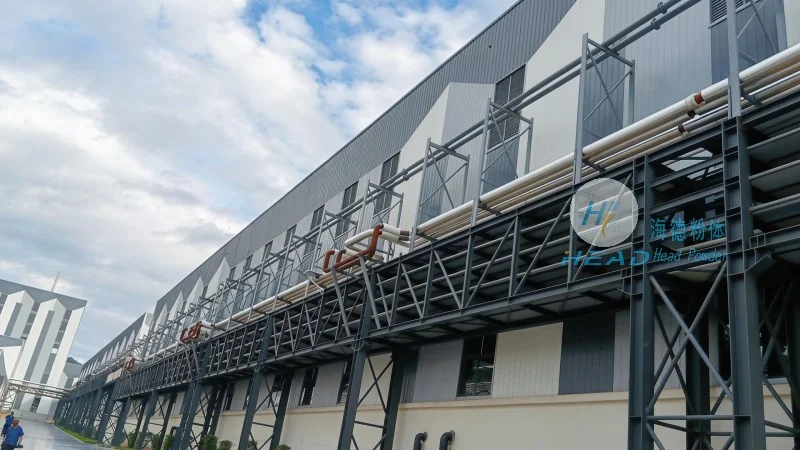
Shandong HeadPowder Engineering Co., Ltd., commonly known as headpowder, is a leading manufacturer specializing in the design and production of advanced pneumatic conveying systems. With a strong focus on quality and innovation, the company has established itself as a trusted partner in the chemical and material handling industries. Headpowder's facilities are located in Shandong, China, where the company leverages local expertise and resources to develop cutting-edge solutions tailored to customer needs. The company's commitment to research and development ensures that its products meet the highest standards of performance and reliability, making them suitable for a wide range of industrial applications.

 Shandong Headpowder Engineering Co., Ltd.
 156-6277-7102(Manager Zhang)
  0531-83386006
  Zhangqiu District, Jinan City, Shandong Province, China
telephone
WeChatconsult
top