With more than 10‑year industry experience, Shandong Headpowder delivers full‑service pneumatic‑conveying systems and blowers, undertaking nationwide turn‑key powder‑handling projects.
Pneumatic conveying is a critical method for transporting bulk materials like cellulose powders in various industrial settings. This technology involves the movement of solid particles through a pipeline using a gas stream, typically air or other gases. The process relies on the interaction between the solid particles and the flowing gas, creating a two-phase flow system. Understanding the fundamental principles of this system is essential for optimizing performance and ensuring efficient material handling in applications ranging from manufacturing to processing.
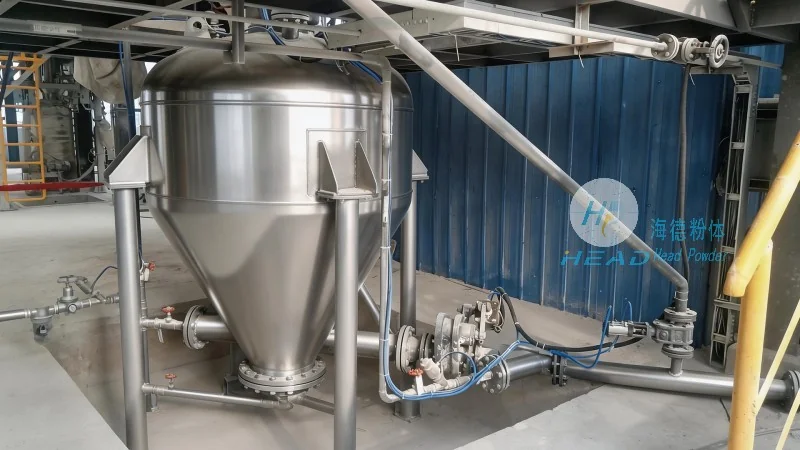
The core of pneumatic conveying lies in the mechanics of particle suspension and transport. When a gas is introduced into a pipe containing cellulose powder, the particles are lifted and carried along by the gas flow. The velocity of the gas must exceed the terminal velocity of the particles to achieve stable suspension. This principle is governed by factors such as particle size, density, and the gas velocity. In positive pressure systems, compressed air is used to push the material through the pipeline, while negative pressure systems use suction to draw the material. The choice between these systems depends on the specific application, including the distance to be covered and the nature of the material being conveyed.
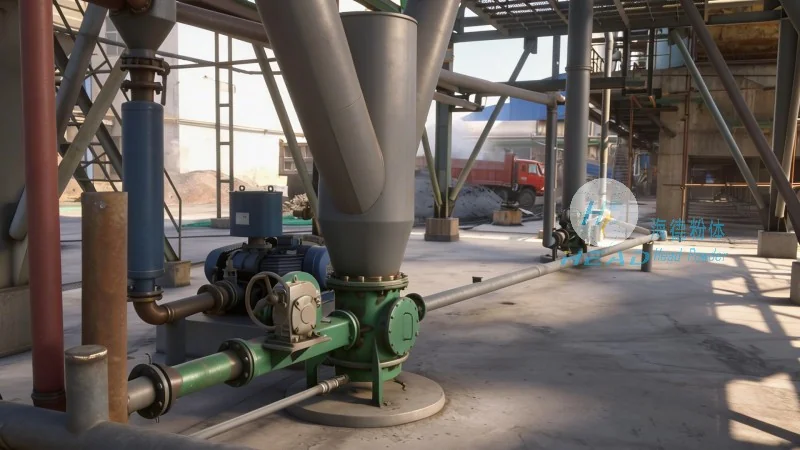
Industrial applications of pneumatic conveying for cellulose powders exhibit distinct characteristics based on the operational environment and material handling requirements. For instance, in the pulp and paper industry, cellulose powders are often used as raw materials for paper production. The working scene may involve large-scale production lines where the material needs to be transported from storage silos to processing equipment. In such scenarios, the system must handle high volumes of material while maintaining consistent flow rates. Another key aspect is the need for dust control and environmental compliance, as cellulose powders can generate airborne particles that require proper containment. The design of the conveying system, including the type of pipeline, valves, and separation equipment, is tailored to meet these specific operational demands.
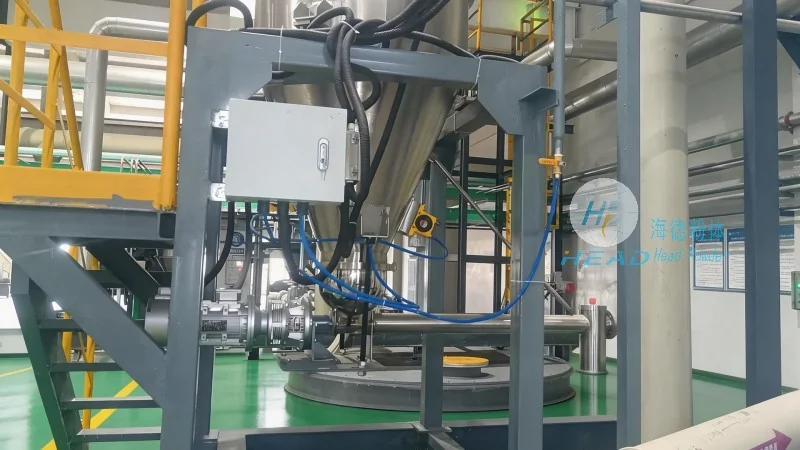
Pneumatic conveying offers several technical advantages when handling cellulose powders. Unlike mechanical systems, it eliminates the need for moving parts in contact with the material, reducing wear and tear and minimizing the risk of contamination. This makes it particularly suitable for materials that are sensitive to mechanical stress or require sterile handling. Additionally, pneumatic systems can transport materials over long distances with minimal energy loss, making them efficient for large-scale operations. However, practical considerations must be addressed to ensure optimal performance. The moisture content and particle size distribution of the cellulose powder significantly impact the conveying efficiency. High moisture levels can cause clogging or reduced flow rates, while irregular particle sizes may lead to uneven suspension. Proper system design, including the selection of gas velocity and pipeline diameter, is crucial to mitigate these issues.
Real-world applications of pneumatic conveying for cellulose powders highlight the technology's effectiveness in diverse industrial contexts. A notable case involves a paper mill in Shandong, China, where Shandong HeadPowder Engineering Co., Ltd. (headpowder) implemented a custom pneumatic conveying system to transport cellulose powders from storage silos to the papermaking machines. The system was designed to handle 200 tons of material per day, with a total conveying distance of 150 meters. The implementation resulted in a 30% reduction in material handling time and a 15% decrease in operational costs compared to traditional belt conveyors. This success was attributed to the optimized gas velocity and the use of high-quality separation equipment that minimized particle loss. Another application is in the chemical industry, where cellulose powders are used as a filler in the production of adhesives. The headpowder system ensured a consistent flow of material to the mixing tanks, improving product quality and reducing downtime due to clogging.
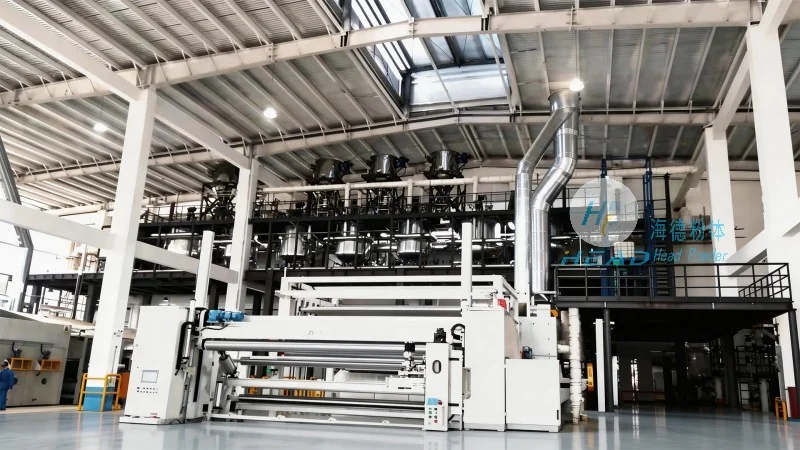
Shandong HeadPowder Engineering Co., Ltd., operating under the brand name headpowder, is a leading provider of pneumatic conveying solutions for bulk materials, including cellulose powders. With headquarters in Shandong, China, the company has extensive experience in designing and manufacturing customized conveying systems tailored to the unique needs of industrial clients. The company's expertise lies in understanding the complex interactions between solid particles and gas flows, enabling the development of efficient and reliable systems. Headpowder's team of engineers and technicians work closely with clients to assess their material handling requirements, conduct feasibility studies, and provide comprehensive solutions. The company's commitment to quality and innovation has established it as a trusted partner in the industry, delivering systems that meet international standards and enhance operational efficiency.

 Shandong Headpowder Engineering Co., Ltd.
 156-6277-7102(Manager Zhang)
  0531-83386006
  Zhangqiu District, Jinan City, Shandong Province, China
telephone
WeChatconsult
top