With more than 10‑year industry experience, Shandong Headpowder delivers full‑service pneumatic‑conveying systems and blowers, undertaking nationwide turn‑key powder‑handling projects.
Guar gum powder, a widely used industrial additive, often requires efficient and reliable handling systems for transportation from storage to processing units. Pneumatic conveying systems offer a solution that combines the benefits of dust-free operation, reduced material degradation, and enhanced safety compared to traditional methods like bucket elevators or belt conveyors. This article provides an in-depth analysis of pneumatic conveying systems specifically designed for guar gum powder, exploring their components, operational principles, and practical applications.
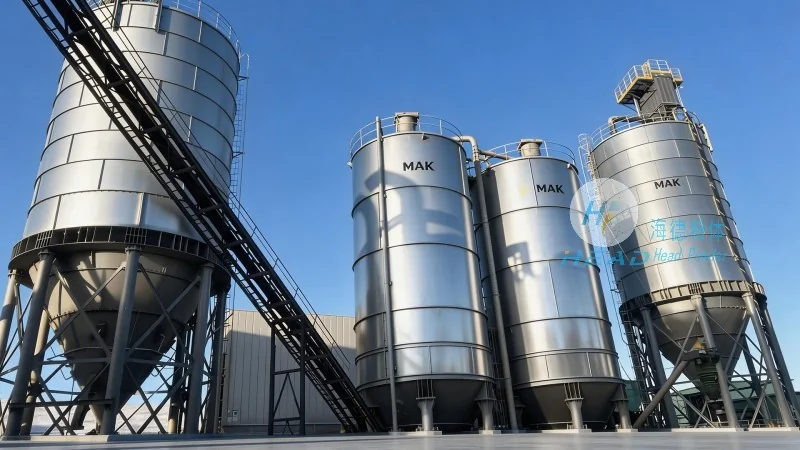
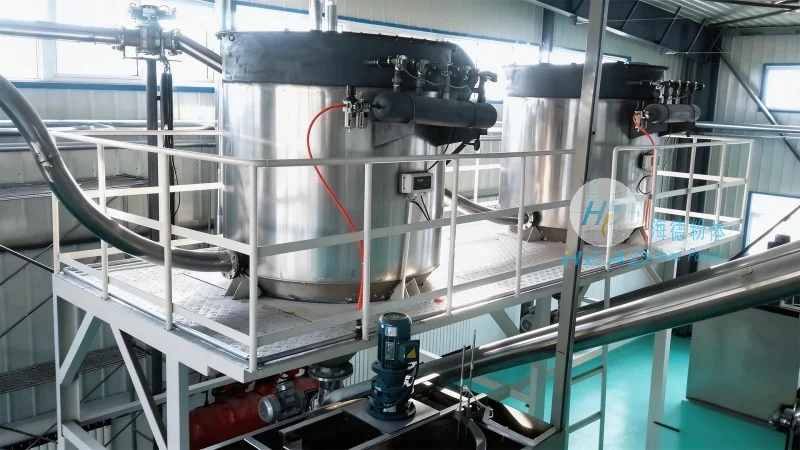
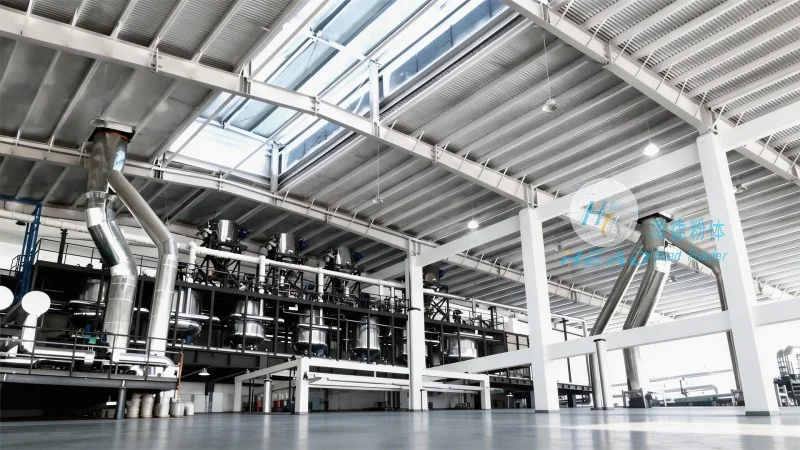
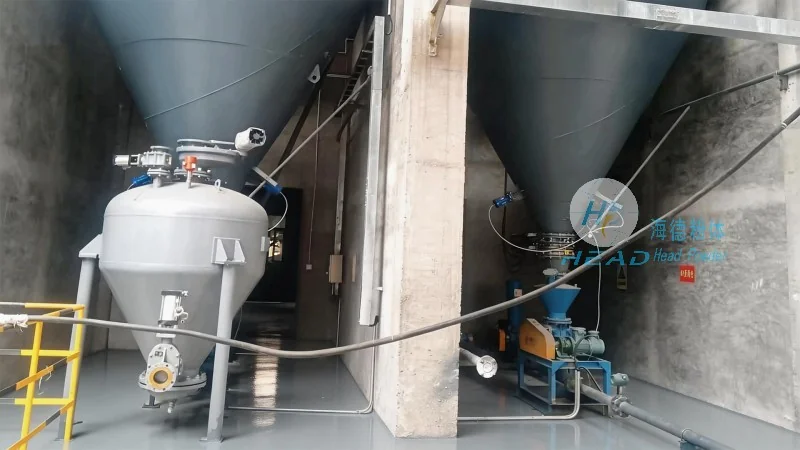
The effectiveness of a pneumatic conveying system for guar gum powder hinges on several critical components that work in tandem to ensure smooth material flow. The primary components include the hopper or feed tank, which stores the guar gum powder and provides a consistent feed to the system. A rotary valve or feeder is typically installed at the bottom of the hopper to control the discharge rate, preventing overfeeding or underfeeding that could disrupt the conveying process. The conveying line itself, often made of stainless steel or other corrosion-resistant materials, is designed to handle the abrasive nature of guar gum powder while minimizing material buildup or blockages. At the receiving end, a receiver or silo collects the delivered powder, equipped with a discharge valve to regulate the outflow. Additionally, a dust collection system, such as a cyclone or baghouse, is integrated to capture any fine particles that may escape during the conveying process, ensuring environmental compliance and product purity.
Pneumatic conveying systems operate by using air or gas to transport solid materials through a pipeline. The two main types are pressure and vacuum systems, each with distinct characteristics suitable for different applications. Pressure systems use compressed air to push the material through the line, typically operating at pressures ranging from 0.5 to 10 bar. This method is ideal for short to medium conveying distances and can handle higher material loads, making it suitable for guar gum powder with moderate to high flow rates. Vacuum systems, on the other hand, use a vacuum pump to draw the material into the line, operating at pressures below atmospheric. These systems are better suited for longer distances or when the material needs to be transported from multiple sources to a single destination. For guar gum powder, the choice between pressure and vacuum often depends on factors such as the required conveying distance, the volume of material to be moved, and the need for gentle handling to prevent agglomeration or degradation.

 Shandong Headpowder Engineering Co., Ltd.
 156-6277-7102(Manager Zhang)
  0531-83386006
  Zhangqiu District, Jinan City, Shandong Province, China
telephone
WeChatconsult
top