With more than 10‑year industry experience, Shandong Headpowder delivers full‑service pneumatic‑conveying systems and blowers, undertaking nationwide turn‑key powder‑handling projects.
For industrial applications that involve the transport and handling of zinc oxide powder, specialized equipment is essential to ensure efficiency, safety, and product integrity. HeadPowder, a leading manufacturer of advanced powder handling solutions, specializes in designing and supplying equipment tailored to the unique needs of zinc oxide processing. This article explores the fundamental principles behind zinc oxide powder handling systems and highlights key working scene characteristics that define their operational effectiveness in various industrial settings.
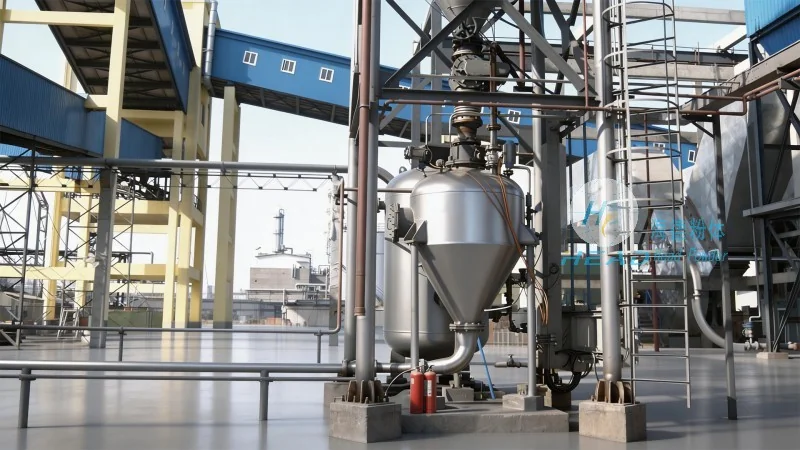
The design and operation of zinc oxide powder handling equipment are guided by several core principles aimed at optimizing material flow, minimizing dust generation, and ensuring reliable performance. One of the primary principles is the use of enclosed systems to contain dust and prevent contamination, which is critical for maintaining the purity of zinc oxide—a material widely used in pharmaceuticals, rubber, and ceramics. Another key principle involves the selection of appropriate materials for components such as hoppers, conveyors, and valves to resist corrosion and wear, as zinc oxide can be abrasive and reactive under certain conditions. Additionally, the equipment is engineered to manage the unique flow properties of powders, including their tendency to form arches or ratholes, which can disrupt material flow. Advanced control systems, often integrated with sensors, are employed to monitor and adjust flow rates in real-time, ensuring consistent performance and preventing blockages or overloading.
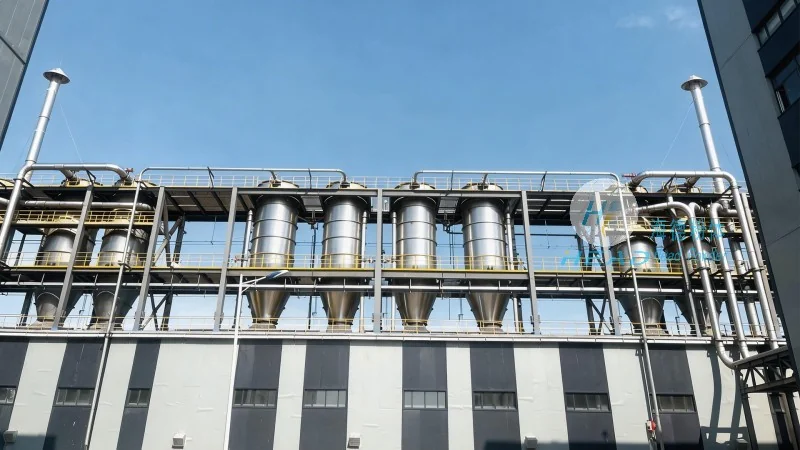
Zinc oxide powder handling equipment is deployed across diverse industrial sectors, each presenting unique operational challenges and requirements. In pharmaceutical manufacturing, for instance, the equipment must adhere to stringent hygiene standards and maintain a sterile environment to prevent contamination of the final product. This often involves the use of stainless steel components, HEPA filtration systems, and closed-loop transport to ensure compliance with regulatory guidelines. In the rubber industry, where zinc oxide is used as a curing agent, the equipment must handle larger volumes and maintain precise dosing to achieve optimal rubber properties. The working scene in this sector may include high-capacity screw conveyors and dosing systems integrated with process control software to regulate the addition of zinc oxide during the vulcanization process. In the ceramics industry, the equipment is designed to handle finer powders and ensure uniform mixing with other raw materials. Here, the focus is on minimizing particle segregation and achieving consistent material distribution, which is crucial for producing high-quality ceramic products. Each of these working scenes highlights the adaptability of zinc oxide powder handling equipment to meet the specific demands of different industrial processes.
Modern zinc oxide powder handling systems incorporate several features that enhance their functionality and reliability. One notable feature is the use of flexible hoses and pneumatic conveying lines, which allow for the transport of powders over longer distances without the need for extensive infrastructure. This is particularly beneficial in facilities where space is limited or where the equipment needs to be reconfigured for different production runs. Another advantage is the integration of dust collection and filtration systems, which not only improve air quality but also help recover valuable zinc oxide powder, reducing material loss and operational costs. The equipment also often includes automated cleaning and maintenance protocols, which minimize downtime and ensure consistent performance over extended periods. Furthermore, the use of variable frequency drives (VFDs) in conveyor systems enables precise control of flow rates, allowing for fine-tuning of material transport based on real-time production needs. These features collectively contribute to the efficiency and sustainability of zinc oxide powder handling operations.
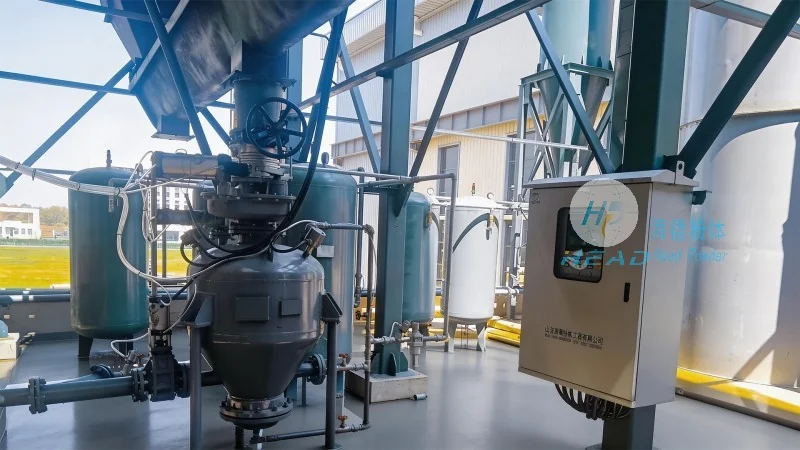
Efficient and reliable handling of zinc oxide powder is critical for maintaining product quality and operational efficiency in various industrial applications. The principles and working scene characteristics outlined in this article underscore the importance of specialized equipment designed to address the unique challenges posed by this material. By leveraging advanced engineering and control technologies, manufacturers can ensure that zinc oxide is transported and processed safely and effectively, meeting the demands of modern industrial production. As industries continue to evolve, the role of zinc oxide powder handling equipment will remain vital, supporting the production of high-quality products across pharmaceuticals, rubber, ceramics, and other sectors.

 Shandong Headpowder Engineering Co., Ltd.
 156-6277-7102(Manager Zhang)
  0531-83386006
  Zhangqiu District, Jinan City, Shandong Province, China
telephone
WeChatconsult
top