With more than 10‑year industry experience, Shandong Headpowder delivers full‑service pneumatic‑conveying systems and blowers, undertaking nationwide turn‑key powder‑handling projects.
Cocoa powder, a critical ingredient in the food and beverage sector, demands efficient material handling systems to sustain smooth production workflows. Proper handling of cocoa powder is essential for preserving product quality, minimizing contamination risks, and optimizing operational efficiency. This article examines the concept of cocoa powder material handling and explores the core design principles that form the foundation of effective systems.
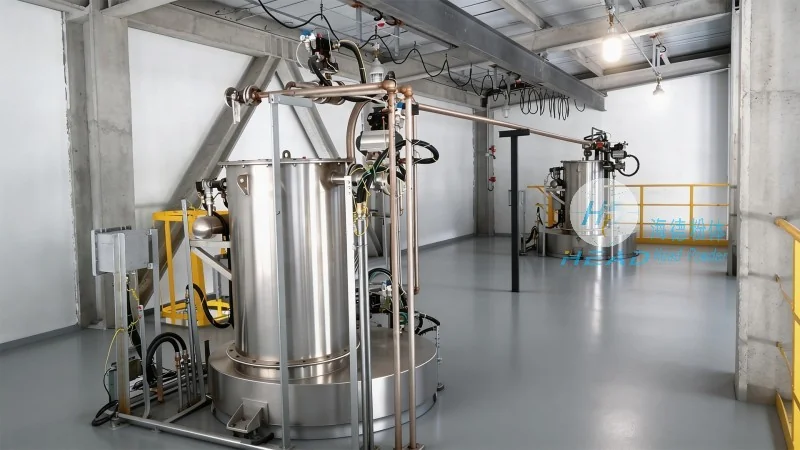
Cocoa powder material handling encompasses the processes and technologies used to transport, store, and manage cocoa powder from its source to its final destination within a production facility. This includes activities such as conveying, storing, dosing, and packaging. The complexity of these processes varies based on production scale, the type of cocoa powder (e.g., natural, alkalized, or defatted), and the specific requirements of the end product. Effective material handling systems for cocoa powder must address challenges like dust control, moisture sensitivity, and the need for hygienic operation, as these factors directly impact product quality and safety.
The design of a cocoa powder material handling system is guided by several critical principles to ensure optimal performance and reliability. First, the system must prioritize dust control and containment to prevent product loss and environmental contamination. This is achieved through sealed conveyors, dust collection systems, and proper ventilation. Second, the system should minimize product exposure to moisture and temperature fluctuations, as cocoa powder is hygroscopic and can absorb moisture from the air, leading to clumping or spoilage. Design elements such as enclosed storage silos, climate-controlled environments, and moisture-resistant materials are essential in addressing this challenge. Third, the system must ensure hygienic operation to meet food safety standards. This involves the use of stainless steel components, easy-to-clean surfaces, and sanitary fittings to prevent cross-contamination and bacterial growth. Fourth, the system should be designed for flexibility and scalability, allowing for adjustments to accommodate changes in production volume or product types. This includes modular components that can be added or removed as needed, and adjustable conveyor speeds and capacities.
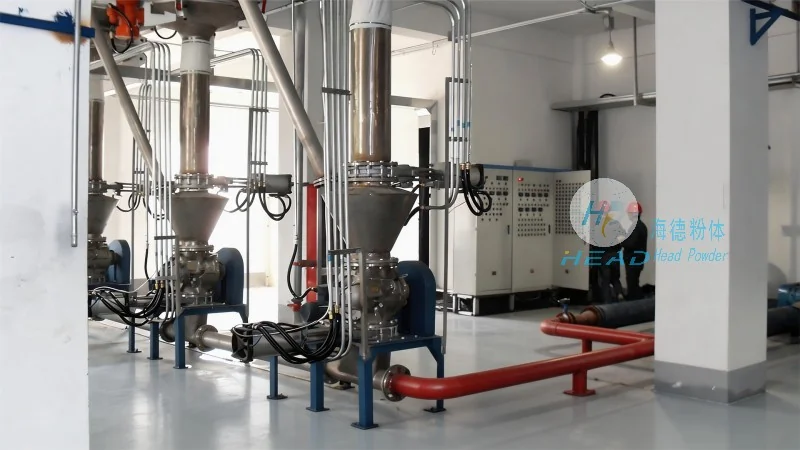
The physical and chemical properties of cocoa powder significantly influence the selection of handling equipment and system design. For instance, the fine particle size of cocoa powder makes it prone to caking and bridging in storage silos, which can cause blockages in conveying systems. Therefore, systems often incorporate vibration or aeration devices to prevent these issues. Additionally, the powder's tendency to generate static electricity can cause it to adhere to surfaces, leading to material buildup and operational inefficiencies. Anti-static measures, such as grounding equipment and using conductive materials, are integrated into the design to mitigate this problem. The density and flowability of cocoa powder also affect the choice of conveyor type, with options like screw conveyors, pneumatic conveyors, or belt conveyors being evaluated based on their ability to handle the specific characteristics of the powder.
A typical cocoa powder material handling system consists of several interconnected components, each serving a specific function to ensure smooth operation. The primary components include storage silos or hoppers, conveying equipment (e.g., screw conveyors, pneumatic conveyors, or belt conveyors), dosing or feeding mechanisms, and packaging or discharge systems. Storage silos are designed to hold large quantities of cocoa powder and are equipped with level indicators and discharge valves to control material flow. Conveying equipment transports the powder from the storage area to processing or packaging stations. Dosing mechanisms, such as rotary valves or gravimetric feeders, ensure accurate and consistent dosing of cocoa powder into mixers or packaging lines. Packaging or discharge systems then prepare the powder for distribution to customers or further processing. Each component is carefully selected and integrated to create a cohesive system that meets the specific needs of the production facility.
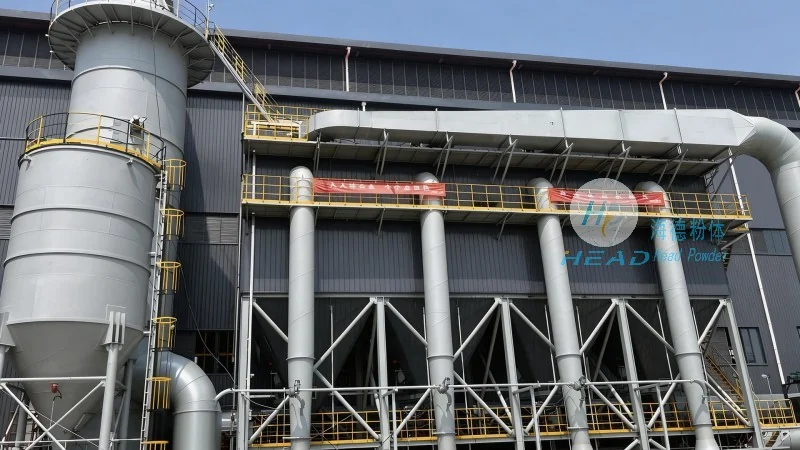
Shandong HeadPowder Engineering Co., Ltd., a leading provider of material handling solutions, specializes in designing and manufacturing systems tailored to the unique requirements of cocoa powder processing. With years of industry experience, HeadPowder understands the challenges associated with handling fine powders and has developed innovative solutions to address them. The company's approach involves a comprehensive analysis of the client's production processes, including the type and quantity of cocoa powder, the desired output, and the specific safety and hygiene standards. Based on this analysis, HeadPowder engineers design customized systems that incorporate the key design principles discussed earlier, such as dust control, moisture management, and hygienic operation. For example, HeadPowder may recommend the use of enclosed pneumatic conveyors for long-distance transport, combined with vibration systems to prevent caking in storage silos. The company also emphasizes the importance of regular maintenance and cleaning protocols to ensure the longevity and reliability of the system. By focusing on these aspects, HeadPowder ensures that its clients achieve efficient, safe, and cost-effective cocoa powder material handling operations.
In conclusion, effective cocoa powder material handling is essential for maintaining product quality, ensuring operational efficiency, and meeting regulatory standards. The design principles discussed in this article, including dust control, moisture management, hygienic operation, and flexibility, are critical to the success of any material handling system. The role of material properties and the selection of appropriate system components further contribute to the overall effectiveness of the system. As a leading provider in the industry, Shandong HeadPowder Engineering Co., Ltd. offers expert solutions that address these challenges, helping clients optimize their cocoa powder processing operations. By investing in well-designed material handling systems, manufacturers can enhance productivity, reduce costs, and deliver high-quality cocoa powder products to their customers.

 Shandong Headpowder Engineering Co., Ltd.
 156-6277-7102(Manager Zhang)
  0531-83386006
  Zhangqiu District, Jinan City, Shandong Province, China
telephone
WeChatconsult
top