With more than 10‑year industry experience, Shandong Headpowder delivers full‑service pneumatic‑conveying systems and blowers, undertaking nationwide turn‑key powder‑handling projects.
Microsilica powder, also known as silica fume, is a fine, high-purity silica powder with exceptional properties that make it a valuable additive in various industrial applications. The efficient handling and transportation of this material are critical for ensuring consistent quality and process reliability in manufacturing processes. This article explores the fundamental aspects of microsilica powder material handling, including the underlying design principles that govern the systems used to manage this delicate material.

Microsilica powder is characterized by its extremely fine particle size, typically ranging from 0.1 to 0.2 micrometers, and a high specific surface area. These properties contribute to its unique reactivity and ability to enhance the performance of concrete, refractory materials, and other composite products. However, the same characteristics that make microsilica effective also pose challenges during material handling. The fine particles are prone to agglomeration, dust generation, and air entrainment, which can impact the efficiency and safety of handling operations. Therefore, specialized equipment and design strategies are essential to address these challenges and ensure optimal material flow.
The design of microsilica powder handling systems is guided by several key principles aimed at maintaining the integrity of the material and ensuring safe, efficient operation. One of the primary principles is the minimization of particle degradation and loss during transport. This involves using equipment that minimizes friction, impact, and air resistance, such as enclosed conveyor systems, pneumatic conveying lines, and low-speed rotary valves. The use of enclosed systems is particularly important to prevent dust exposure and environmental contamination, which is critical for both occupational health and regulatory compliance.
Another critical design principle is the control of air flow and pressure within the system. Pneumatic conveying systems, for example, rely on precise pressure differentials to move the powder through pipelines. The design must account for the material's density, flowability, and the potential for clogging or blockages. Properly sized ducts, elbows, and fittings are essential to maintain consistent air velocity and prevent particle deposition. Additionally, the use of air classifiers or cyclones may be incorporated to separate oversized particles or to adjust the particle size distribution, ensuring that the final product meets the required specifications.
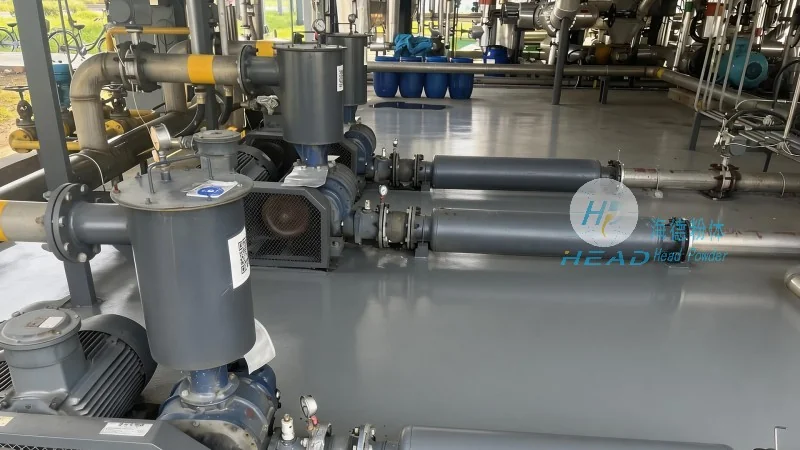
Effective microsilica powder handling systems typically consist of several interconnected components, each designed to perform a specific function while adhering to the core design principles. At the heart of the system is the material storage and feeding unit. Silos or hoppers are used to store the powder, and they are equipped with agitators or vibrators to prevent caking and ensure uniform material flow. The feeding mechanism, such as a rotary valve or a screw feeder, regulates the discharge rate and maintains a consistent flow to the conveying system.
The conveying system is responsible for transporting the powder from the storage area to the processing or packaging point. There are two main types of conveying systems: mechanical and pneumatic. Mechanical systems, including belt conveyors and screw conveyors, are suitable for short distances and lower material volumes. However, they may not be ideal for fine powders due to the risk of particle degradation and dust generation. Pneumatic conveying systems, on the other hand, are more commonly used for microsilica powder due to their ability to handle fine particles over longer distances with minimal degradation.
Pneumatic conveying systems utilize compressed air to move the powder through a network of pipes. The design of these systems involves careful consideration of the air velocity, pressure drop, and pipeline diameter. The system may include a combination of positive and negative pressure sections to optimize material transport efficiency. For example, a positive pressure system may be used to move the powder from the silo to an intermediate point, while a negative pressure system is used to transport it to the final destination, such as a mixer or a packaging unit.
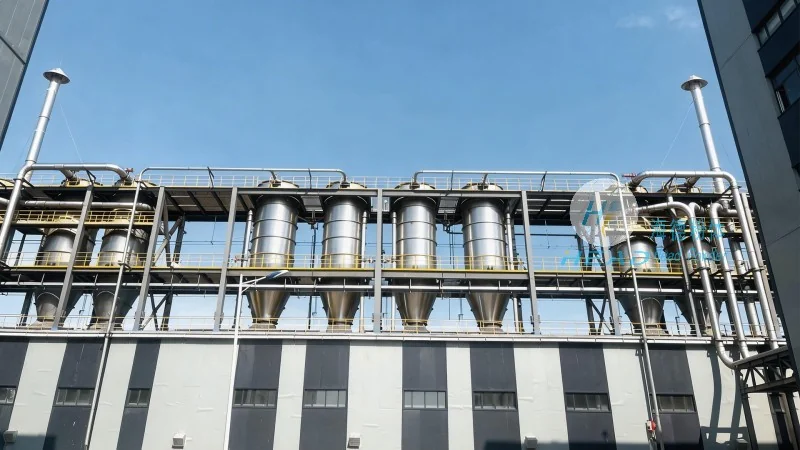
Shandong HeadPowder Engineering Co., Ltd., commonly known as HeadPowder, is a leading provider of specialized equipment and solutions for microsilica powder handling. With a focus on innovation and adherence to industry best practices, HeadPowder has developed a range of products tailored to the unique challenges of microsilica material handling. The company's expertise lies in designing systems that balance efficiency, reliability, and safety, ensuring that clients can achieve optimal performance in their production processes.
HeadPowder's product portfolio includes advanced silo systems, feeding equipment, and pneumatic conveying solutions that are engineered to handle microsilica powder with precision. The company's silos are designed with features such as internal agitators and anti-caking agents to prevent material bridging and ensure consistent discharge. The feeding mechanisms are equipped with sensors and controls to monitor flow rates and adjust operations in real-time, minimizing the risk of overfilling or underfilling.
Pneumatic conveying systems from HeadPowder are designed with high-efficiency air compressors and specialized ductwork to minimize energy consumption and maximize material transport efficiency. The use of flexible hoses and adjustable fittings allows for easy installation and maintenance, reducing downtime and operational costs. Additionally, the company's systems are equipped with dust collection and filtration units to ensure compliance with environmental regulations and maintain a safe working environment.
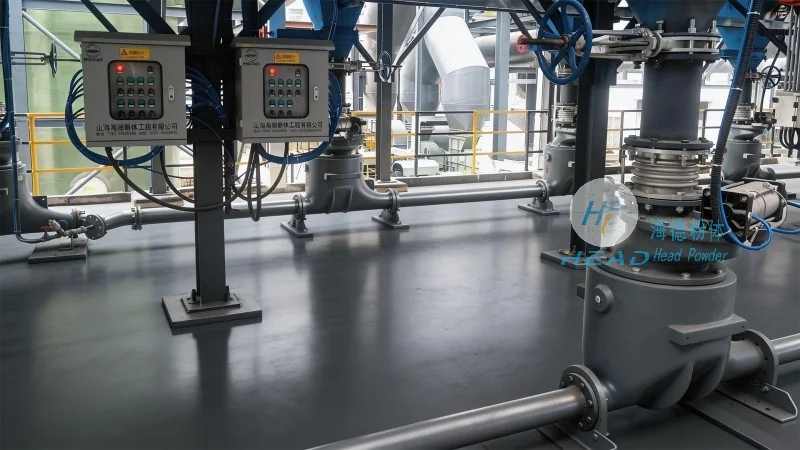
Handling microsilica powder requires strict adherence to safety and regulatory standards due to the material's fine particle size and potential health hazards. The design of handling systems must incorporate measures to minimize dust exposure, such as enclosed equipment, local exhaust ventilation, and proper personal protective equipment (PPE). The use of explosion-proof components is also critical in environments where dust accumulation could pose a fire or explosion risk.
Regulatory compliance is another key consideration in microsilica powder handling. Companies must ensure that their systems meet the requirements of local and international standards, such as those set by the Occupational Safety and Health Administration (OSHA) and the European Union's REACH regulations. HeadPowder's systems are designed with compliance in mind, incorporating features such as dust monitoring systems and material flow sensors to provide real-time data on operational performance and safety.
By prioritizing safety and compliance, HeadPowder ensures that its clients can operate their microsilica powder handling systems with confidence, knowing that their processes are both efficient and responsible. The company's commitment to quality and innovation has made it a trusted partner for businesses in the construction, refractory, and chemical industries, helping them to achieve their production goals while maintaining the highest standards of safety and environmental responsibility.

 Shandong Headpowder Engineering Co., Ltd.
 156-6277-7102(Manager Zhang)
  0531-83386006
  Zhangqiu District, Jinan City, Shandong Province, China
telephone
WeChatconsult
top