With more than 10‑year industry experience, Shandong Headpowder delivers full‑service pneumatic‑conveying systems and blowers, undertaking nationwide turn‑key powder‑handling projects.
Aluminum hydroxide powder, a widely used chemical compound in various industrial applications, often requires efficient material handling systems to ensure smooth processing and transportation. This article delves into the concept of aluminum hydroxide powder material handling and outlines the key design principles that underpin effective systems for this specific material, with insights from Shandong HeadPowder Engineering Co., Ltd., a leading provider of specialized material handling solutions.
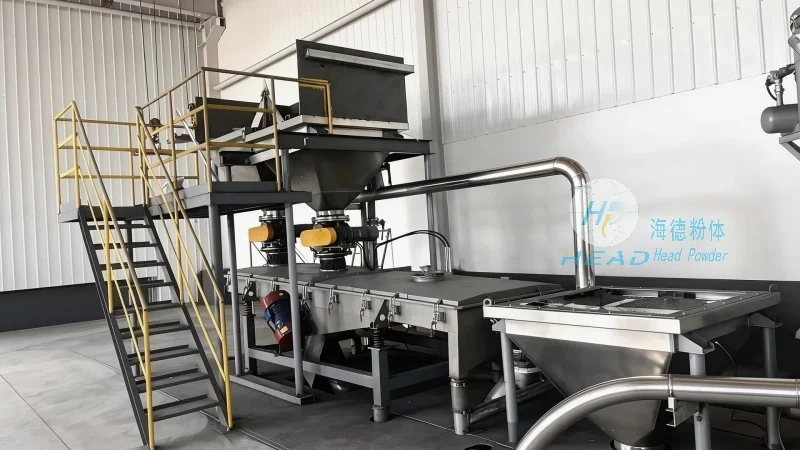
Aluminum hydroxide, with the chemical formula Al(OH)₃, is a white solid that is commonly used as a filler, flame retardant, and in pharmaceuticals. Its fine powder form presents unique challenges in material handling due to its light weight, tendency to aggregate, and potential for dust generation. Proper handling is crucial to maintain product quality, ensure safety, and optimize operational efficiency. The material's hygroscopic nature also means it can absorb moisture from the air, affecting its flow characteristics and requiring careful control in storage and transport.
The design of material handling systems for aluminum hydroxide powder must address several critical factors to ensure reliable performance. First, the system must minimize dust generation and exposure, as fine powders can pose health risks and create environmental hazards. This is typically achieved through enclosed systems, proper ventilation, and the use of dust collection equipment. Second, the design must prevent material agglomeration, which can lead to blockages in conveying equipment and affect flow rates. Techniques such as moisture control, proper blending, and the use of anti-agglomerant additives are often employed to maintain the powder's free-flowing characteristics. Additionally, the system must be designed for easy cleaning and maintenance to prevent contamination and ensure long-term operational stability.
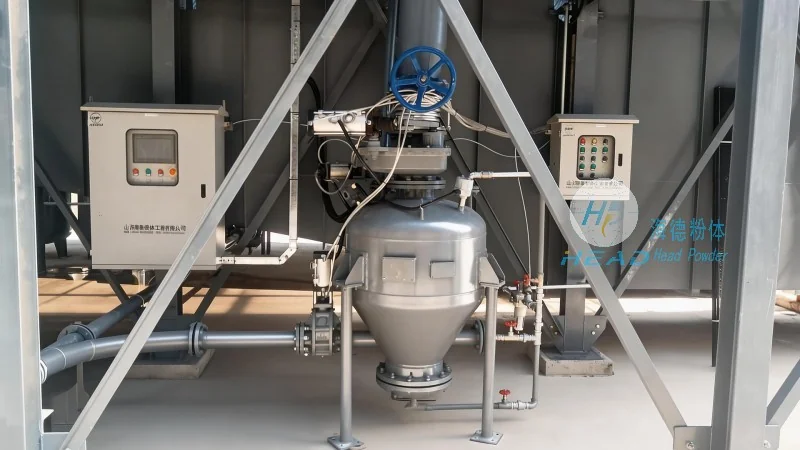
Conveying is a fundamental aspect of material handling for aluminum hydroxide powder. Various types of conveyors are used, including screw conveyors, pneumatic conveying systems, and belt conveyors. Screw conveyors are commonly used for horizontal or slight incline transport due to their ability to handle bulk materials without the need for external power beyond the screw rotation. Pneumatic conveying systems, on the other hand, use air pressure to transport the powder through pipelines, offering advantages in enclosed handling and reduced dust exposure. The choice of conveyor type depends on factors such as material flow rate, distance, and the need for dust control. For example, in applications requiring high dust containment, pneumatic systems are often preferred over mechanical conveyors. Companies like Shandong HeadPowder Engineering Co., Ltd. specialize in designing customized conveying solutions that meet specific process requirements, ensuring efficient and safe material transport.
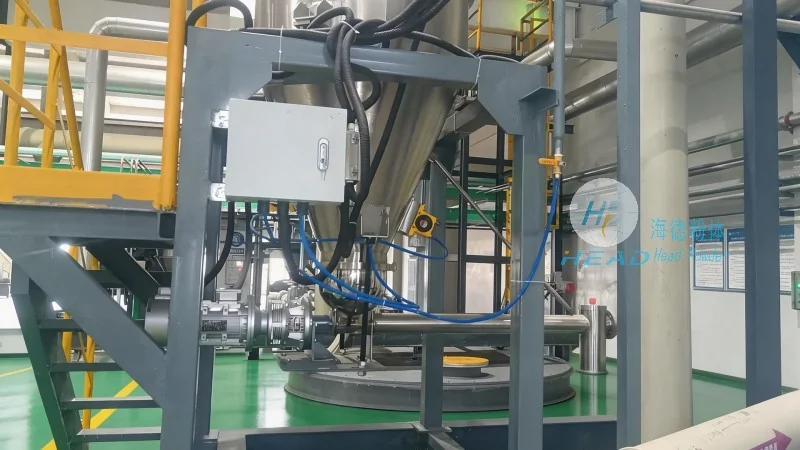
Effective storage and feeding systems are essential for maintaining consistent material flow and preventing quality issues. Bulk storage silos or hoppers are typically used to store aluminum hydroxide powder, with designs that minimize material bridging and ensure uniform discharge. The feeding system, which transfers material from storage to the processing line, must be designed to provide a controlled and steady flow rate. This often involves the use of rotary valves, vibratory feeders, or metering pumps, depending on the specific requirements of the process. Properly designed feeding systems help prevent surges or blockages that could disrupt production and affect product quality. The storage and feeding equipment must also be constructed from materials that resist corrosion and wear, as aluminum hydroxide powder can be abrasive. Shandong HeadPowder Engineering Co., Ltd. offers tailored storage solutions that address these challenges, ensuring reliable material supply for industrial processes.
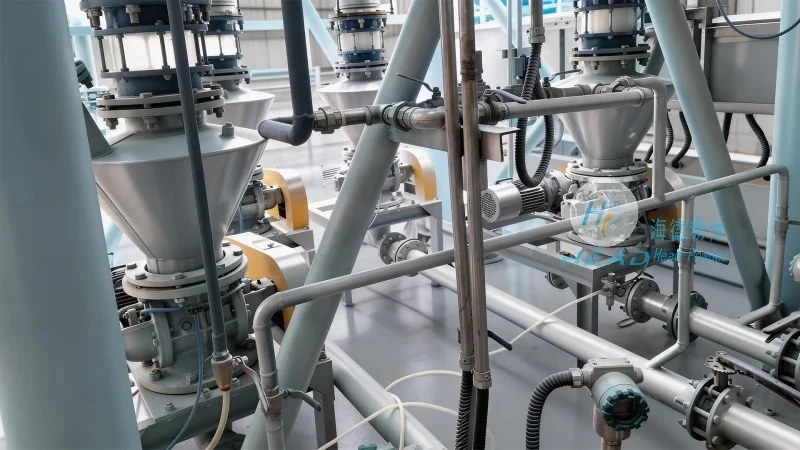
The selection of appropriate equipment is critical to the success of aluminum hydroxide powder handling systems. Materials of construction, such as stainless steel or corrosion-resistant alloys, are often chosen to handle the chemical properties of the powder and prevent contamination. This is a standard practice in the industry, and companies like Shandong HeadPowder Engineering Co., Ltd. specialize in designing and manufacturing equipment that meets these stringent requirements. Additionally, equipment must be designed to withstand the abrasive nature of the powder, as repeated contact can cause wear and reduce efficiency. Regular maintenance is essential to ensure the longevity and reliability of the system. This includes routine cleaning to prevent dust accumulation, inspection of moving parts for wear, and replacement of worn components as needed. Proper maintenance not only extends the life of the equipment but also ensures consistent performance and product quality, which is a key focus for companies like Shandong HeadPowder Engineering Co., Ltd.
Material handling of aluminum hydroxide powder involves several safety and environmental considerations. Dust control is paramount to protect workers from inhalation of fine particles, which can cause respiratory issues. Enclosed systems, local exhaust ventilation, and dust collection systems are integral to maintaining a safe working environment. Additionally, the system must comply with environmental regulations to prevent the release of dust or other pollutants into the atmosphere. Proper waste management and disposal of any byproducts are also important to minimize the environmental impact of the operation. By addressing these considerations, companies can ensure that their material handling systems are not only efficient but also safe and environmentally responsible. Shandong HeadPowder Engineering Co., Ltd. incorporates safety and environmental best practices into its designs, helping clients meet regulatory requirements while optimizing operational performance.

 Shandong Headpowder Engineering Co., Ltd.
 156-6277-7102(Manager Zhang)
  0531-83386006
  Zhangqiu District, Jinan City, Shandong Province, China
telephone
WeChatconsult
top