Desulfurization Sodium Bicarbonate Material Handling: What It Is and Its Design Principles
Release time:2026-09-14 23:03:41
name of the company:Shandong Headpowder Engineering Co., Ltd.
telephone:156-6277-7102
contacts:Manager Zhang
Desulfurization sodium bicarbonate, also known as sodium bicarbonate for flue gas desulfurization, is a vital chemical reagent used in industrial processes to reduce sulfur dioxide emissions. The efficient handling and transportation of this material are essential for maintaining the performance and reliability of desulfurization systems. This article explores the concept of desulfurization sodium bicarbonate material handling and examines the core design principles that underpin effective material transport solutions.
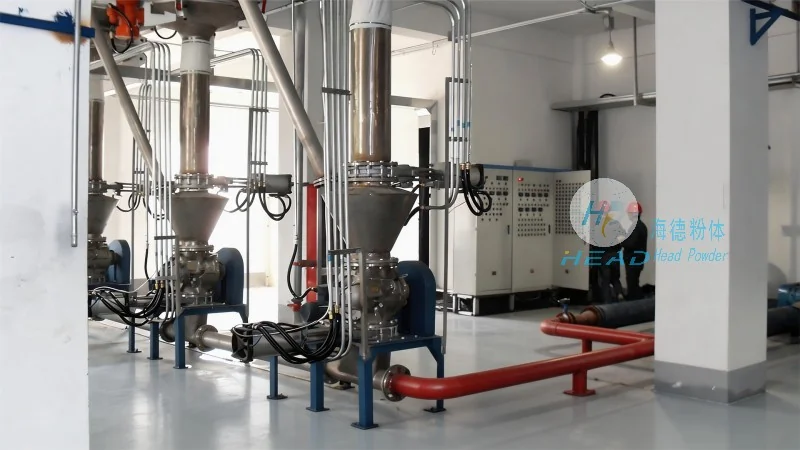
Understanding Desulfurization Sodium Bicarbonate
Desulfurization sodium bicarbonate is a compound commonly employed in wet flue gas desulfurization (WFGD) processes. It acts as a neutralizing agent to convert sulfur dioxide (SO₂) in flue gases into less harmful byproducts. The material is typically in a powder or granular form, requiring specialized equipment for safe and efficient handling. Its properties, such as reactivity and potential for dust generation, necessitate careful consideration in material handling design to ensure safety and operational efficiency.
Key Design Principles for Material Handling
The design of desulfurization sodium bicarbonate material handling systems revolves around several critical principles to ensure safety, efficiency, and durability. These principles include:
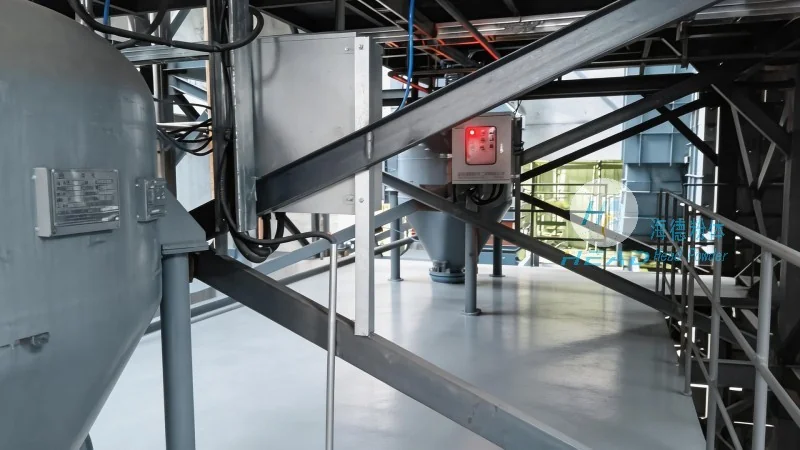
- Material Compatibility: Equipment must be constructed from materials resistant to chemical corrosion and wear caused by the sodium bicarbonate solution. Common materials include stainless steel, rubber-lined components, and specialized coatings to protect against degradation.
- Prevention of Dust and Fume Generation: Effective dust control is vital to minimize health risks and environmental impact. Systems often incorporate enclosed conveyors, dust collection hoods, and air filtration units to capture and neutralize airborne particles.
- Control of Moisture and Hygroscopicity: Sodium bicarbonate is hygroscopic, meaning it absorbs moisture from the air. Proper moisture control is essential to prevent clumping, which can obstruct flow and reduce system efficiency. Design considerations include moisture-proof storage, controlled humidity environments, and anti-caking agents if necessary.
- Energy Efficiency and Flow Optimization: Efficient material transport minimizes energy consumption and maximizes throughput. This involves selecting appropriate conveyor types (e.g., screw conveyors, pneumatic conveyors, or belt conveyors) based on the material's characteristics and the system's layout. Properly sized and maintained components ensure consistent flow rates and reduce the risk of blockages.
Components of a Typical Desulfurization Sodium Bicarbonate Handling System
A comprehensive material handling system for desulfurization sodium bicarbonate typically includes several interconnected components, each serving a specific function. These components may include:
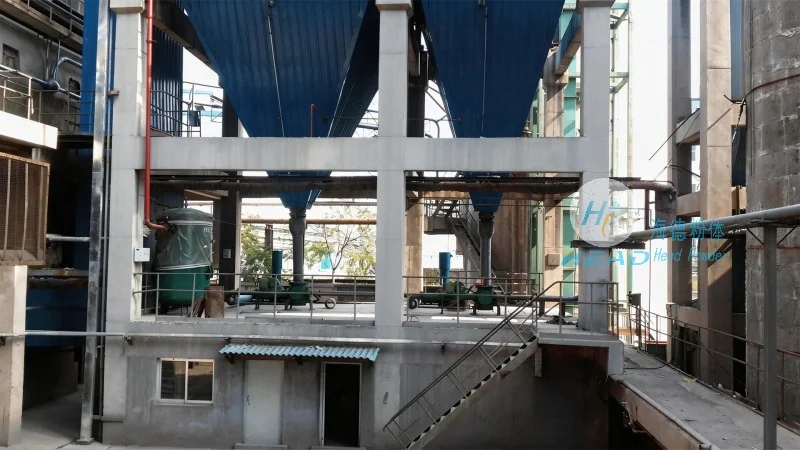
- Storage Silos: Large-capacity silos are used to store the bulk material, providing a buffer for supply and preventing frequent loading operations. The silos are often equipped with level sensors and aeration systems to maintain material flowability.
- Feeding Equipment: Feeders, such as rotary valves or screw feeders, regulate the flow of sodium bicarbonate from the storage silos to the conveying system. These devices ensure a consistent and controlled feed rate, which is critical for maintaining system stability.
- Conveying Systems: Conveyors transport the material from the storage and feeding areas to the desulfurization reactor or other processing units. Screw conveyors are commonly used for vertical or inclined transport due to their ability to handle powders and granules without the need for external power for lifting. Pneumatic conveyors may be employed for longer horizontal distances or where dust control is a priority.
- Dosing and Mixing Systems: The material is often mixed with water or other reagents in the desulfurization process. Dosing pumps and mixing tanks are integrated into the system to ensure precise control over the chemical ratio, which directly impacts the efficiency of sulfur dioxide removal.
Safety and Environmental Considerations
Given the chemical nature of desulfurization sodium bicarbonate and the potential for dust or fume release, safety and environmental compliance are paramount. The design of the handling system must adhere to relevant regulations and industry standards to protect personnel and the environment. This includes:
- Personal Protective Equipment (PPE) and Training: Operators must be equipped with appropriate PPE (e.g., respirators, gloves, and protective clothing) and receive regular training on handling procedures and emergency response.
- Environmental Controls: Systems are equipped with dust collection and scrubbing systems to capture and neutralize any airborne contaminants before release. This ensures compliance with air quality standards and minimizes the impact on local ecosystems.
- Process Monitoring and Control: Real-time monitoring of parameters such as material flow rate, moisture content, and pressure helps detect anomalies early, preventing system failures and ensuring consistent performance.
Conclusion
Desulfurization sodium bicarbonate material handling is a critical component of modern flue gas desulfurization systems. By adhering to sound design principles and incorporating appropriate equipment, industrial facilities can ensure the safe, efficient, and reliable transport of this essential chemical. The expertise of companies like Shandong HeadPowder Engineering Co., Ltd., with its focus on engineering solutions tailored to industrial needs, plays a vital role in optimizing material handling processes for environmental compliance and operational efficiency.

 Shandong Headpowder Engineering Co., Ltd.
 156-6277-7102(Manager Zhang)
  0531-83386006
  Zhangqiu District, Jinan City, Shandong Province, China