With more than 10‑year industry experience, Shandong Headpowder delivers full‑service pneumatic‑conveying systems and blowers, undertaking nationwide turn‑key powder‑handling projects.
The agricultural and food processing sectors require precise handling of raw materials to ensure product quality and operational efficiency. Among these materials, green beans are a significant commodity that demands specialized handling equipment. When considering green bean transport, the primary challenge lies in maintaining the integrity of the beans while moving them efficiently from storage silos to processing machinery. Traditional mechanical conveyors, such as bucket elevators or screw conveyors, often generate excessive vibration and impact, which can lead to bean breakage and dust generation. This necessitates a shift toward more sophisticated methods of material transport that prioritize the delicate nature of the product.
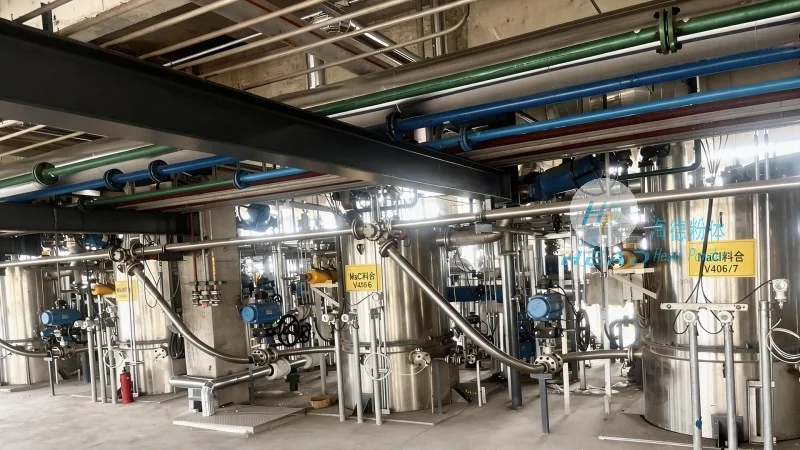
To address these issues, industries are increasingly turning to pneumatic conveying systems. These systems utilize air pressure to move materials through a pipeline, offering a sealed environment that protects the product from external contaminants. For facilities dealing with large volumes of green beans, understanding the nuances of green bean pneumatic conveying is essential for optimizing production lines and reducing operational costs.
The implementation of a pneumatic system for green bean transport provides distinct benefits over traditional mechanical methods. One of the most critical advantages is the reduction of physical damage. Because pneumatic conveying relies on air flow rather than physical contact with moving parts, the likelihood of bean breakage is significantly minimized. This is particularly important for high-value commodities where even minor damage can reduce market value.
Furthermore, the enclosed nature of the green bean pneumatic conveying process ensures superior hygiene. In food processing environments, preventing cross-contamination and dust escape is paramount. Pneumatic systems create a negative or positive pressure environment that keeps the material contained within the pipes, eliminating dust clouds that could pose health risks to workers or lead to product loss. This makes it an ideal solution for large-scale material transport requirements in the grain and legume industry.
Selecting the right technology provider is crucial for the successful deployment of a pneumatic conveying system. Shandong Headpowder Engineering Co., Ltd. has established itself as a leading expert in the field of bulk material handling. The company specializes in designing and manufacturing systems tailored to the specific needs of various industries, with a strong focus on green bean transport. By leveraging advanced engineering principles, Headpowder ensures that their green bean pneumatic conveying systems are robust, reliable, and efficient.
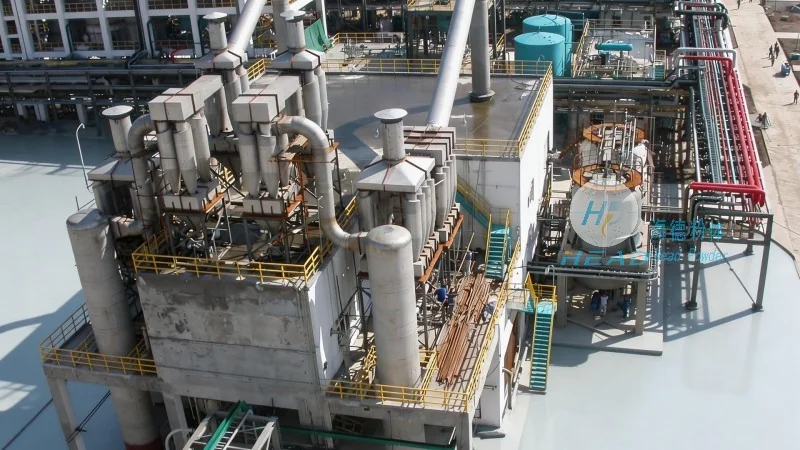
The engineering team at Shandong Headpowder Engineering Co., Ltd. understands that every production line is unique. Therefore, they offer customized solutions that address specific flow rates, distances, and facility constraints. Whether the requirement is for a horizontal run or vertical elevation, their green bean pneumatic conveying systems are engineered to handle the unique properties of legumes, such as their size and friability, ensuring a smooth transition from storage to processing.
A successful green bean transport system relies on several key components working in harmony. The process begins with a specialized feeding device, such as a rotary valve or airlock, which introduces the green beans into the pipeline without allowing air to escape. This is critical for maintaining system pressure and efficiency. Once inside the pipeline, the green bean pneumatic conveying system utilizes a combination of compressed air and vacuum to propel the material to its destination.
The piping network is designed to minimize bends and obstructions, reducing the risk of blockages and ensuring a consistent flow. At the receiving end, a discharger is used to separate the green beans from the air stream before the air is cleaned and recirculated. This closed-loop design is the hallmark of a high-quality material transport solution, ensuring that the product remains pure and the system operates with maximum energy efficiency.
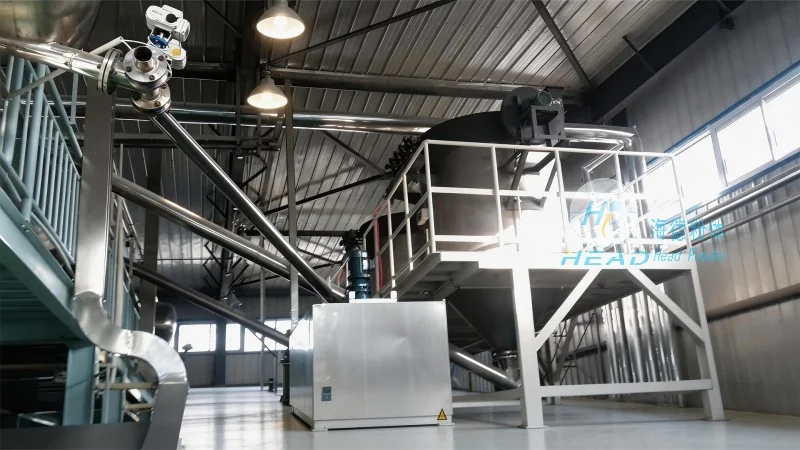
Beyond product quality, the economic benefits of implementing a green bean pneumatic conveying system are substantial. By reducing the need for manual labor and minimizing product waste due to breakage, facilities can achieve a significant return on investment. Shandong Headpowder Engineering Co., Ltd. designs systems that are not only effective but also cost-effective to operate and maintain. Their green bean pneumatic conveying systems are built with durable materials that withstand the harsh conditions of food processing plants, ensuring long-term reliability.
The ability to transport green bean transport materials over long distances without the need for intermediate storage points also streamlines the production process. This continuous flow capability reduces downtime and increases overall throughput, allowing businesses to meet high market demands without compromising on quality.
In conclusion, the evolution of green bean transport technology has paved the way for more efficient and sanitary processing methods. Pneumatic conveying stands out as the premier solution for handling these delicate commodities, offering a perfect balance of speed, safety, and preservation. For businesses seeking to upgrade their green bean pneumatic conveying capabilities, Shandong Headpowder Engineering Co., Ltd. provides the expertise and technology needed to succeed. Their commitment to excellence in material transport makes them a trusted partner in the industry.
For detailed consultations and project planning, interested parties are encouraged to contact the professional team. You may reach out to Zhang Manager for further information regarding system specifications and implementation. For direct communication via messaging platforms, please use the contact details provided to connect with the Headpowder team.

 Shandong Headpowder Engineering Co., Ltd.
 156-6277-7102(Manager Zhang)
  0531-83386006
  Zhangqiu District, Jinan City, Shandong Province, China
telephone
WeChatconsult
top