With more than 10‑year industry experience, Shandong Headpowder delivers full‑service pneumatic‑conveying systems and blowers, undertaking nationwide turn‑key powder‑handling projects.
White ash, also known as lime ash or flue ash, is a byproduct generated during the combustion of coal or other fossil fuels in industrial processes. Efficient and reliable conveying of white ash is crucial for maintaining the smooth operation of industrial facilities and ensuring environmental compliance. The methods used for white ash conveying vary based on the specific characteristics of the ash, the distance it needs to be transported, and the available infrastructure at the site. This article will explore the primary methods of white ash conveying, providing a comprehensive overview for industrial professionals seeking to optimize their material handling systems.
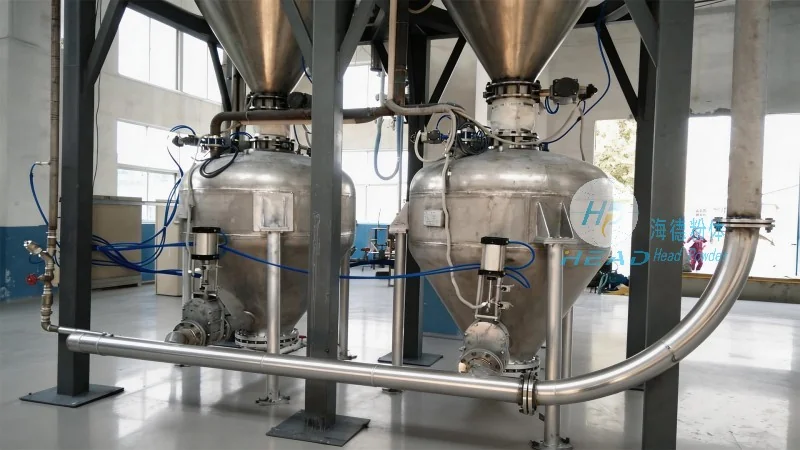
White ash, a fine powder or granular material, poses unique challenges during transportation due to its dustiness and potential for caking. Traditional bulk material handling methods may not be suitable for white ash, as they can lead to material loss, equipment wear, or environmental pollution. Therefore, specialized conveying systems are required to handle white ash safely and efficiently. The choice of conveying method depends on several factors, including the ash's moisture content, particle size distribution, and the distance it needs to be transported. By understanding the different conveying options, industrial operators can select the most appropriate system for their specific needs.
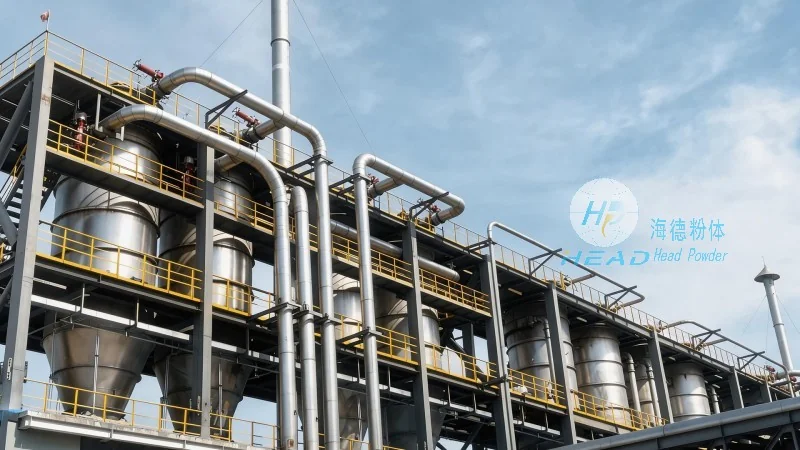
Shandong HeadPowder Engineering Co., Ltd., commonly known as HeadPowder, is a leading manufacturer and supplier of specialized material handling equipment, including white ash conveying systems. With years of experience in the industry, HeadPowder has developed advanced solutions tailored to the unique requirements of white ash transportation. The company's commitment to quality, innovation, and customer satisfaction has established it as a trusted partner for industrial facilities worldwide. HeadPowder's expertise lies in designing and manufacturing custom conveying systems that ensure high efficiency, minimal maintenance, and compliance with environmental regulations. The company's headquarters is located in Shandong, China, where it operates a state-of-the-art manufacturing facility and a dedicated research and development center.
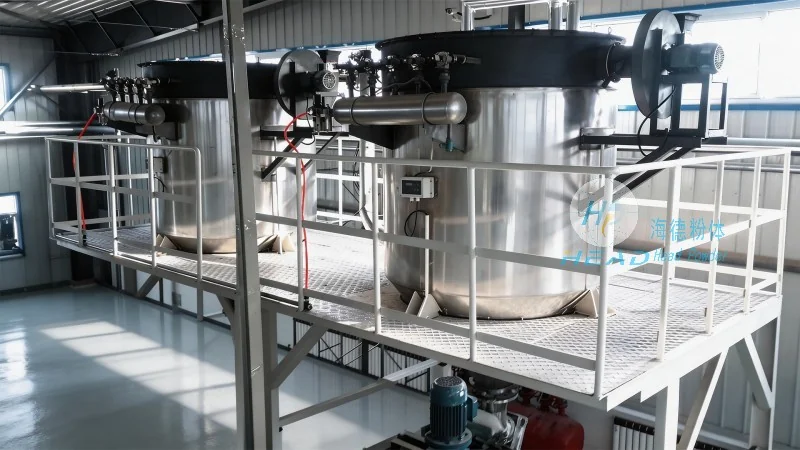
There are several primary methods used for white ash conveying, each with its own advantages and applications. The most common methods include pneumatic conveying, mechanical conveying, and hybrid systems. Pneumatic conveying uses air pressure to transport the ash through pipelines, while mechanical conveying relies on equipment such as conveyors, buckets, or screws. Hybrid systems combine elements of both pneumatic and mechanical conveying to achieve optimal performance. Each method is discussed in detail below, highlighting its key features and suitability for different scenarios.
Pneumatic conveying is one of the most widely used methods for white ash transportation due to its ability to handle fine powders and granular materials over long distances. This method involves transporting the ash through a network of pipelines using compressed air or vacuum. There are two main types of pneumatic conveying systems: pressure and vacuum. Pressure systems use compressed air to push the ash forward, while vacuum systems use a vacuum to pull the ash into the pipeline. The choice between pressure and vacuum depends on the distance to be covered and the characteristics of the ash. Pneumatic conveying systems are particularly effective for transporting white ash from boilers or furnaces to storage silos or disposal sites. They offer advantages such as low maintenance, minimal material loss, and the ability to handle ash with high moisture content. However, they require a significant amount of energy and may not be suitable for very long distances or high ash volumes.
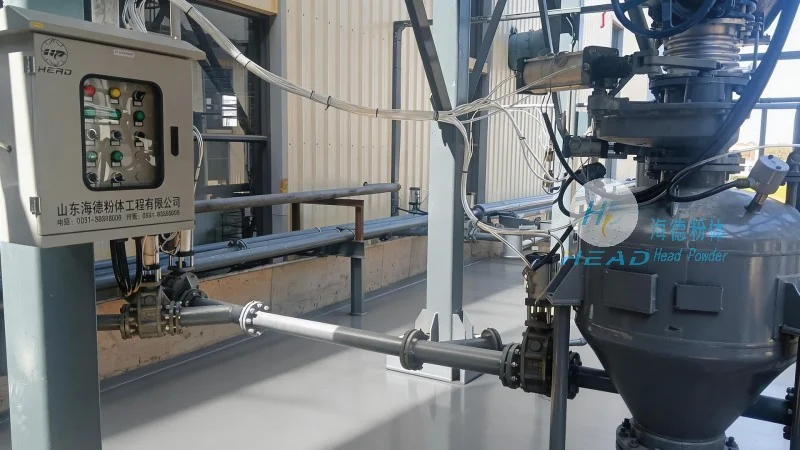
Pressure pneumatic conveying systems are designed to transport white ash using compressed air. The system typically consists of a blower, a hopper, and a pipeline network. The ash is fed into the hopper and then mixed with compressed air, creating a slurry that is then pushed through the pipeline. The pressure system is ideal for short to medium distances, typically up to several hundred meters. It is particularly effective for conveying ash from a boiler to a nearby storage silo. The key components of a pressure pneumatic conveying system include a positive displacement blower, which provides the necessary pressure, and a hopper with a feeder that controls the ash flow. The pipeline is usually made of stainless steel or other corrosion-resistant materials to prevent ash buildup and ensure long service life. The system operates by creating a pressure differential between the hopper and the discharge point, which forces the ash through the pipeline. The velocity of the air in the pipeline is carefully controlled to prevent material deposition and ensure smooth flow. Pressure pneumatic conveying systems are commonly used in power plants and industrial facilities where white ash needs to be transported over short to medium distances. They offer high efficiency and minimal material loss, making them a preferred choice for many operators.

 Shandong Headpowder Engineering Co., Ltd.
 156-6277-7102(Manager Zhang)
  0531-83386006
  Zhangqiu District, Jinan City, Shandong Province, China
telephone
WeChatconsult
top