With more than 10‑year industry experience, Shandong Headpowder delivers full‑service pneumatic‑conveying systems and blowers, undertaking nationwide turn‑key powder‑handling projects.
For industries dealing with dry powder materials, efficient material handling is crucial. Pneumatic conveying systems offer a reliable solution, and understanding their working principles and characteristics is essential for selecting the right equipment. This article explores the fundamental aspects of pneumatic conveying for dry powders, focusing on the technology's operation and key attributes.
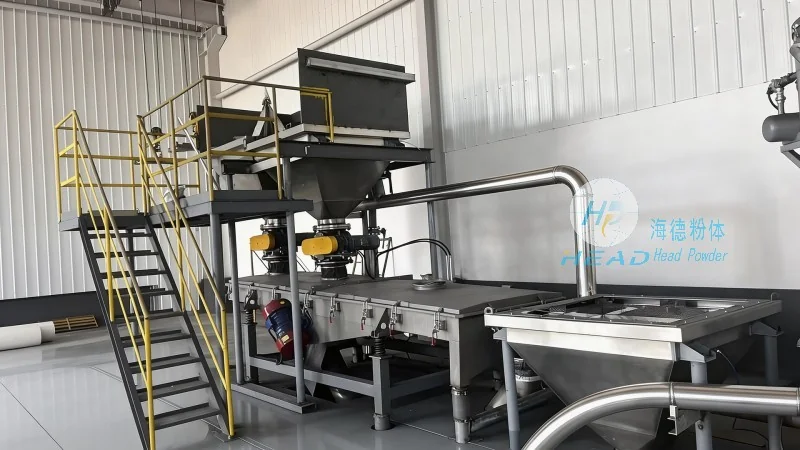
Pneumatic conveying, also known as air conveying, is a method of transporting dry bulk materials through a pipeline using a stream of air. This technology is widely used in various industries, including pharmaceuticals, food processing, and chemical manufacturing, due to its ability to handle fine powders without contamination or degradation. The system typically consists of a source of material, a conveying line, and a receiver, all connected by a network of pipes and valves.
The core of pneumatic conveying lies in the interaction between the material and the air flow. In a typical system, the dry powder is fed into a hopper or feeder, which then releases the material into the conveying line. A fan or blower generates a high-velocity air stream that pulls the powder particles into the pipe. The air velocity is maintained above the material's terminal velocity to ensure continuous transport. The material is then carried through the pipeline to the destination, where it is discharged into a receiver or storage tank. The air, now carrying the powder, is either filtered and recirculated or vented to the atmosphere, depending on the system design.
Several distinct characteristics define pneumatic conveying systems for dry powders, making them suitable for specific applications. These include:
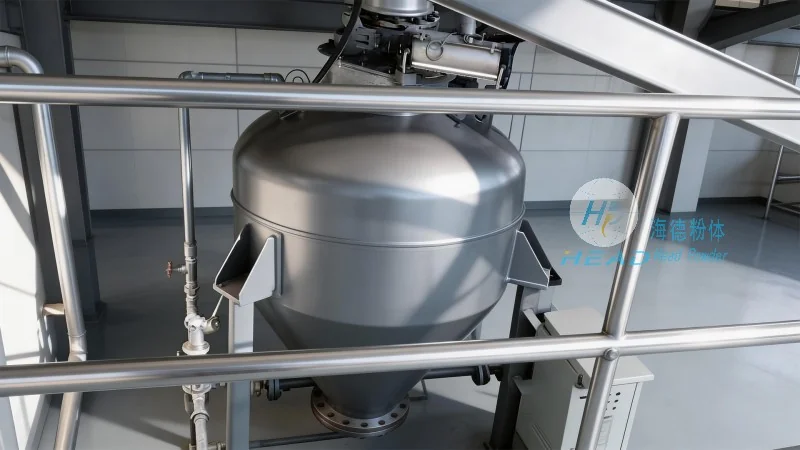
1. Contamination-Free Transport: Unlike mechanical systems, pneumatic conveying does not use moving parts that come into direct contact with the material, minimizing the risk of contamination. This is particularly important in industries like pharmaceuticals and food processing where product purity is paramount.
2. Versatility in Material Handling: Pneumatic systems can handle a wide range of dry powders, from fine powders to granules, with varying densities and flow properties. The flexibility in system design allows customization to accommodate different material characteristics.
3. Energy Efficiency and Cost-Effectiveness: Compared to other material handling methods, pneumatic conveying can be more energy-efficient, especially for long-distance transport. The system's ability to use existing air infrastructure and reduce labor costs contributes to its economic advantages.
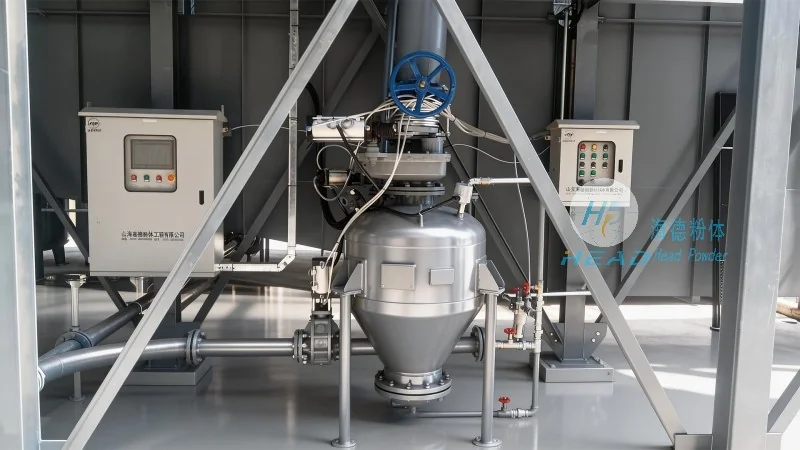
4. Reduced Downtime and Maintenance: With fewer mechanical components, pneumatic systems experience less downtime and require lower maintenance compared to conveyor belts or bucket elevators. This leads to increased operational reliability and lower long-term costs.
Pneumatic conveying systems are applied in numerous industrial processes where dry powder handling is required. For instance, in pharmaceutical manufacturing, they are used to transport active pharmaceutical ingredients (APIs) and excipients with high precision. In the food industry, they handle ingredients like flour, sugar, and spices, ensuring hygienic and efficient processing. Chemical manufacturers also rely on these systems for transporting powders such as pigments, catalysts, and reagents, maintaining product quality and safety.
Pneumatic conveying for dry powder materials is a sophisticated technology that combines efficiency, flexibility, and reliability. By understanding its working principles and characteristics, industries can make informed decisions about implementing or upgrading their material handling systems. As a leading provider in this field, Shandong HeadPowder Engineering Co., Ltd. specializes in designing and manufacturing customized pneumatic conveying solutions tailored to meet the unique needs of various applications.

 Shandong Headpowder Engineering Co., Ltd.
 156-6277-7102(Manager Zhang)
  0531-83386006
  Zhangqiu District, Jinan City, Shandong Province, China
telephone
WeChatconsult
top