With more than 10‑year industry experience, Shandong Headpowder delivers full‑service pneumatic‑conveying systems and blowers, undertaking nationwide turn‑key powder‑handling projects.
Shandong HeadPowder Engineering Co., Ltd., commonly known as HeadPowder, specializes in the design and implementation of pneumatic conveying systems for various industrial materials, including chromium oxide. This article provides an in-depth exploration of the working principle and key characteristics of pneumatic conveying systems tailored for chromium oxide materials, highlighting the technical aspects and operational advantages offered by such systems.
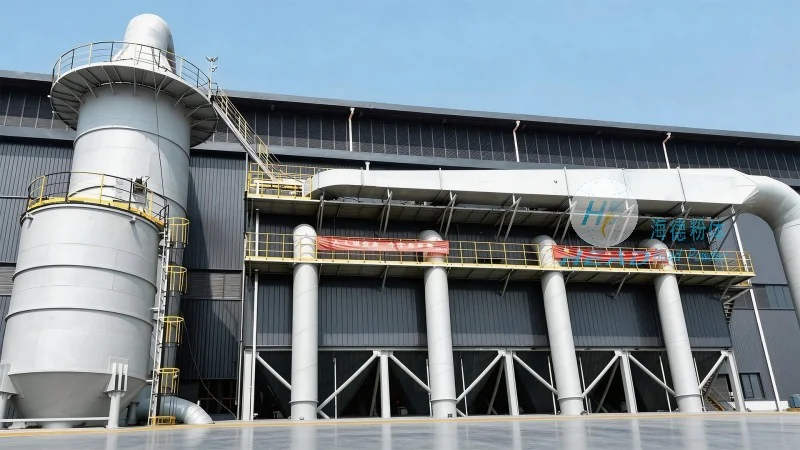
HeadPowder, a leading enterprise in the powder handling industry, is headquartered in Shandong, China. With a strong focus on innovation and precision engineering, the company has developed advanced pneumatic conveying solutions that meet the stringent requirements of material transport in industrial applications. The company’s expertise in material flow technology ensures reliable and efficient handling of chromium oxide, a material often used in pigments, coatings, and other chemical processes.
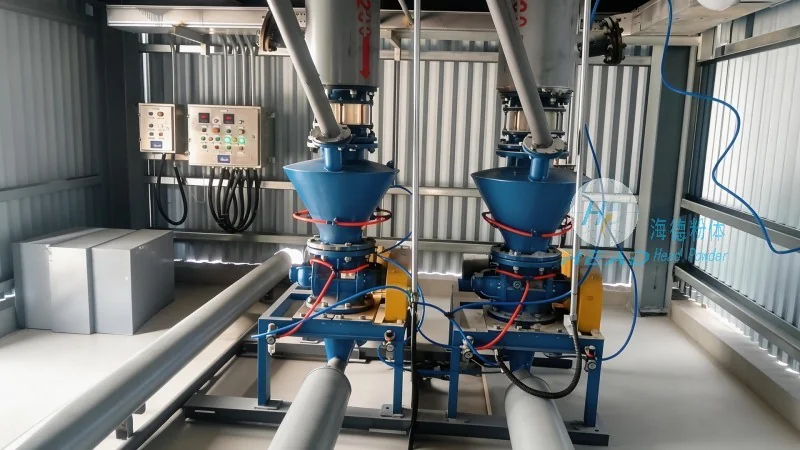
Pneumatic conveying systems for chromium oxide operate by utilizing air or gas to transport the material from a source to a destination. The process typically involves a series of components, including a material feed hopper, a conveyor line, and a receiving hopper. The working principle can be broken down into several key steps. First, the chromium oxide is fed into the system through the hopper. Then, a fan or blower generates the necessary air pressure to create a flow of air within the conveyor line. The air flow, combined with the material, forms a slurry or suspension that moves through the pipeline. The system may use either positive pressure (pressure conveying) or negative pressure (vacuum conveying) depending on the specific application and material characteristics. For chromium oxide, which is a fine powder with specific flow properties, positive pressure systems are often preferred as they provide better control over the material flow and reduce the risk of blockages.
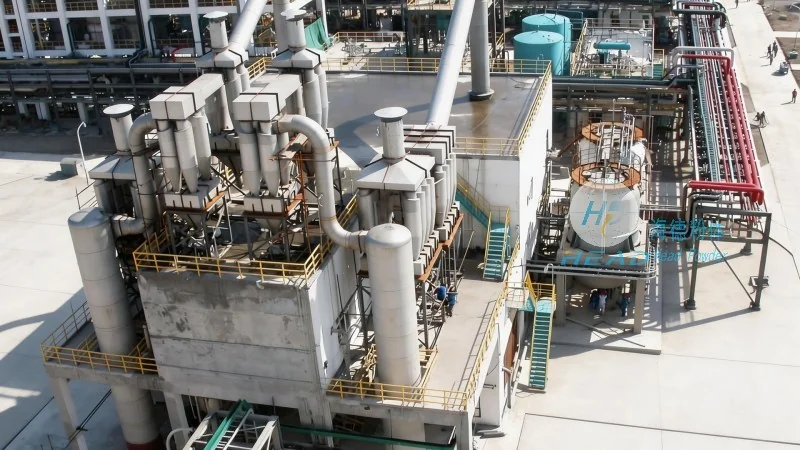
The pneumatic conveying systems for chromium oxide exhibit several distinct characteristics that make them suitable for industrial applications. Firstly, the systems offer high efficiency in material transport, with the ability to move large quantities of material over long distances with minimal loss. The use of air as the conveying medium allows for a clean and dust-free operation, which is crucial for materials like chromium oxide that may have health or environmental implications if not handled properly. Secondly, the systems provide flexibility in terms of layout and integration with existing industrial processes. They can be customized to fit various plant configurations and can be integrated with other equipment such as mixers, classifiers, and storage tanks. Thirdly, the systems ensure minimal product degradation, as the material is conveyed in a closed system, protecting it from moisture, contamination, and mechanical damage. This is particularly important for chromium oxide, which is sensitive to environmental factors that could affect its quality and performance. Additionally, the systems offer energy efficiency compared to traditional methods like bucket elevators or belt conveyors, as they use less power per unit of material transported. The low maintenance requirements of pneumatic conveying systems also contribute to their overall cost-effectiveness, making them a preferred choice for long-term material handling solutions.
Implementing pneumatic conveying systems for chromium oxide offers several operational advantages. The systems provide a continuous and uninterrupted flow of material, which enhances production efficiency and reduces downtime. The closed system design ensures that the material is contained and does not release dust or particles into the environment, improving workplace safety and compliance with environmental regulations. The systems also allow for precise control over the material flow rate and pressure, enabling better process control and consistency in the final product. However, there are certain considerations to keep in mind when using pneumatic conveying for chromium oxide. The material's particle size and density can affect the system's performance, and proper sizing and selection of equipment are essential to avoid blockages or excessive energy consumption. Additionally, the system's design must account for the material's reactivity or potential for caking, as these factors can impact the conveying efficiency. HeadPowder's expertise in material characterization and system design helps in addressing these considerations, ensuring optimal performance and reliability.
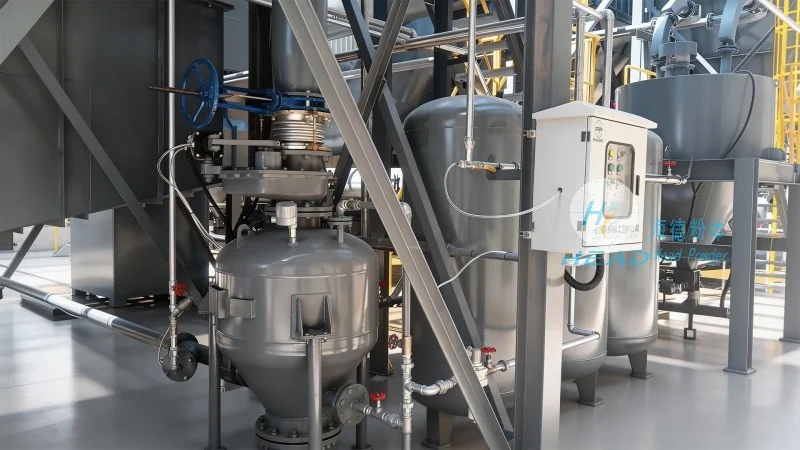
In conclusion, pneumatic conveying systems for chromium oxide are an effective and efficient solution for material transport in industrial applications. The working principle, which involves the use of air to transport the material, combined with the key characteristics such as high efficiency, cleanliness, and flexibility, makes these systems ideal for handling chromium oxide. HeadPowder, with its strong background in powder handling technology, provides comprehensive solutions that cater to the specific needs of chromium oxide material transport. By leveraging advanced engineering and design, HeadPowder ensures that the pneumatic conveying systems for chromium oxide meet the highest standards of performance, safety, and reliability, supporting the smooth operation of industrial processes.

 Shandong Headpowder Engineering Co., Ltd.
 156-6277-7102(Manager Zhang)
  0531-83386006
  Zhangqiu District, Jinan City, Shandong Province, China
telephone
WeChatconsult
top