

Working Principle and Features of Dust and Powder Pneumatic Conveying Equipment
HeadPowder, a leading manufacturer based in Shandong, China, specializes in the design and production of advanced dust and powder pneumatic conveying systems. These systems are crucial for efficiently transporting dry bulk materials like powders and fine particles in various industrial applications. Understanding the working principle and key features of such equipment is essential for optimizing material handling processes and ensuring operational efficiency.
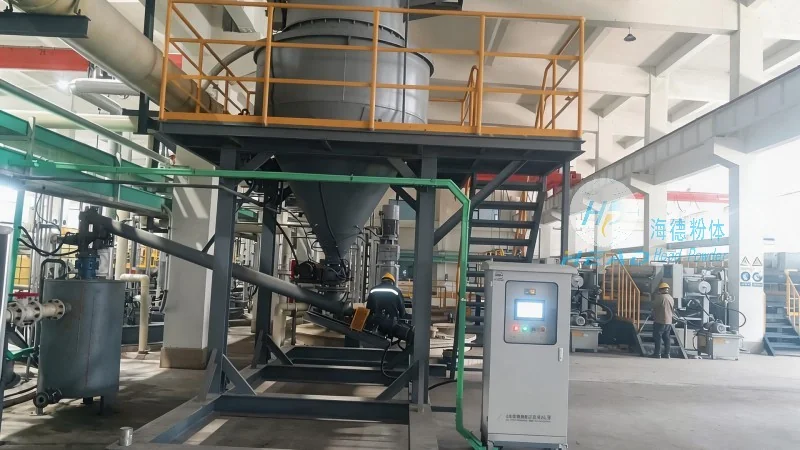
Working Principle of Dust and Powder Pneumatic Conveying Machines
The core of a pneumatic conveying system lies in its ability to use air as the conveying medium to transport solid materials. The process typically involves a few key components: a blower or compressor to generate airflow, a hopper or feeder to supply the material, a pipeline network to guide the material, and a receiver or discharge point to collect the material. The working principle can be categorized into two main types: pressure and vacuum systems.
In a pressure system, the blower pressurizes the entire pipeline, pushing the material through the system under positive pressure. The material is introduced into the pipeline at a controlled rate, often using a rotary valve or screw feeder, and is carried by the high-velocity air stream. The pressure system is suitable for short to medium-distance conveying and can handle abrasive or corrosive materials. The air and material mixture is then discharged into a receiver, where the material settles out due to gravity, and the air is typically filtered and recirculated.
Vacuum systems, on the other hand, create a negative pressure in the pipeline, drawing the material from the source into the system. The material is fed into the pipeline through a hopper or feeder, and the vacuum pulls the material along with the air. This method is ideal for long-distance conveying and for applications where the material needs to be transported from multiple sources. The material is collected in a receiver, and the air is filtered and returned to the system or vented to the atmosphere.
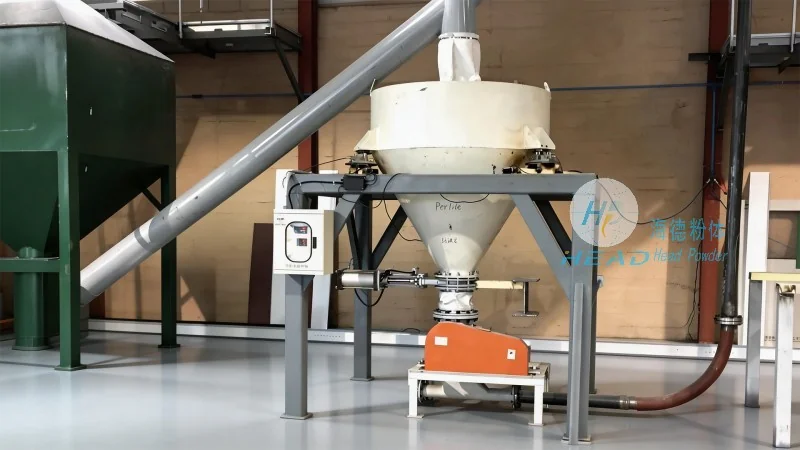
Key Features of Dust and Powder Pneumatic Conveying Equipment
HeadPowder's dust and powder pneumatic conveying equipment is designed with several key features that enhance performance and reliability. One of the primary features is the ability to handle a wide range of materials, from fine powders to bulk solids, with minimal degradation. The systems are equipped with adjustable air flow and pressure controls, allowing operators to optimize the conveying rate based on material properties and pipeline length.
Another important feature is the system's flexibility in terms of layout and integration. The modular design allows for easy installation and expansion, making it suitable for both new construction and retrofitting existing facilities. The equipment is also designed for low maintenance, with components such as rotary valves and blower motors that are built to withstand continuous operation in harsh environments. This reduces downtime and operational costs for the end-user.
Energy efficiency is a critical consideration in modern material handling systems, and HeadPowder's pneumatic conveying equipment incorporates advanced technology to minimize energy consumption. The use of high-efficiency blowers and optimized pipeline designs reduces the power required for conveying, leading to lower operational costs over the system's lifespan. Additionally, the systems are equipped with air filtration and recycling systems, which not only improve air quality but also reduce the need for frequent filter replacements, further enhancing cost-effectiveness.
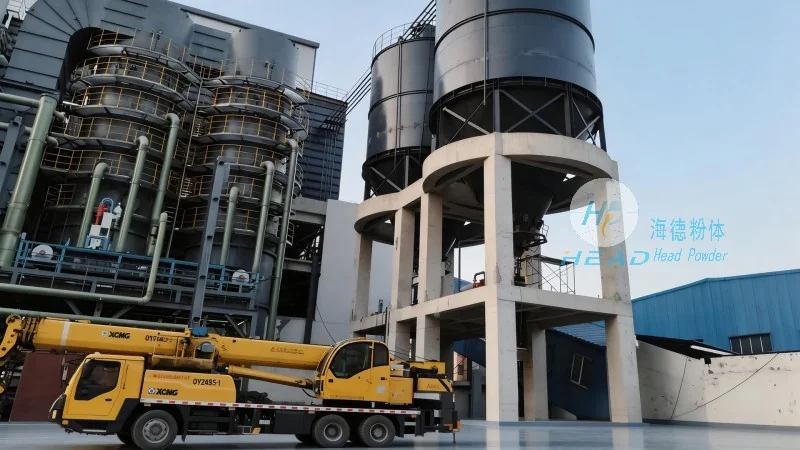
Applications and Benefits in Industrial Settings
Dust and powder pneumatic conveying systems are widely used in various industries, including pharmaceuticals, food processing, chemical manufacturing, and mining. The benefits of using such equipment include improved safety by eliminating manual handling of powders, reduced material loss and contamination, and increased operational efficiency. The systems can handle materials that are difficult to transport using traditional methods, such as those that are hygroscopic or prone to caking.
In the pharmaceutical industry, for example, pneumatic conveying ensures that powders are transported in a sterile and controlled environment, preventing contamination and maintaining product quality. In the food industry, the systems are designed to meet strict hygiene standards, with components that are easy to clean and sanitize. The chemical industry benefits from the ability to handle corrosive or abrasive materials without damaging the equipment, while the mining industry uses these systems to transport bulk materials over long distances with minimal labor.
Conclusion
HeadPowder's dust and powder pneumatic conveying equipment combines advanced technology with robust design to provide reliable and efficient material handling solutions. By understanding the working principles and key features of these systems, industrial operators can make informed decisions to optimize their processes and improve overall productivity. The company's commitment to quality and innovation ensures that their equipment meets the evolving needs of modern industrial applications, making it a trusted choice for businesses worldwide.