With more than 10‑year industry experience, Shandong Headpowder delivers full‑service pneumatic‑conveying systems and blowers, undertaking nationwide turn‑key powder‑handling projects.
Smart material handling systems have revolutionized modern industrial operations by integrating advanced technologies to optimize the movement, storage, and management of materials. These systems are designed to enhance efficiency, reduce labor costs, and improve overall productivity in various industries such as manufacturing, logistics, and warehousing. HeadPowder, a leading provider of smart material handling solutions based in Shandong, China, specializes in developing and implementing these advanced systems to meet the evolving needs of businesses worldwide.
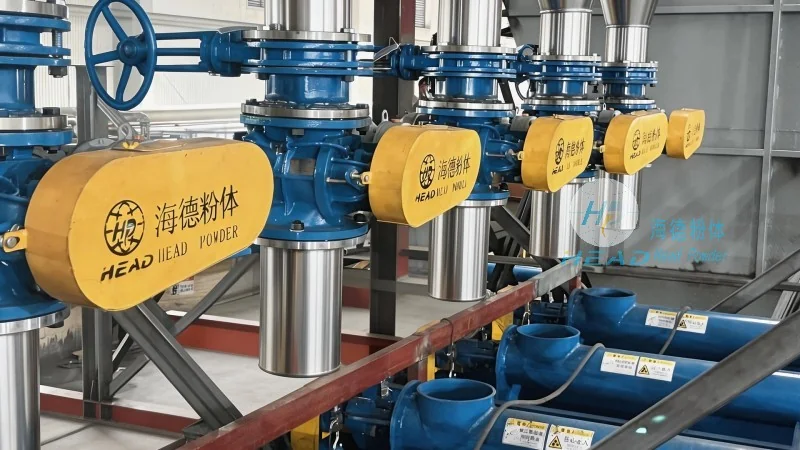
At the heart of smart material handling systems are several integrated components that work in tandem to achieve seamless material flow. The primary working principle involves the use of sensors, automation technologies, and real-time data processing to monitor and control the movement of materials. For instance, in a typical automated warehouse, the system utilizes RFID tags or barcode scanners to track each item's location and status. This data is then fed into a central control unit, which coordinates the actions of various equipment like conveyor belts, robotic arms, and automated guided vehicles (AGVs).
The system's intelligence is further enhanced by machine learning algorithms that analyze historical data to predict demand patterns and optimize routes. This predictive capability allows the system to anticipate bottlenecks and adjust operations proactively, ensuring smooth material flow. Additionally, the integration of IoT (Internet of Things) devices enables real-time monitoring of equipment performance, allowing for immediate maintenance or adjustments to prevent downtime.
Smart material handling systems are characterized by several key features that distinguish them from traditional manual or semi-automated systems. One of the most prominent features is automation, which reduces the need for manual labor and minimizes human error. This automation is achieved through the use of robotic systems, automated storage and retrieval systems (AS/RS), and intelligent conveyor networks. These technologies allow for faster and more accurate material movement, leading to increased throughput and reduced processing times.
Another critical feature is the system's adaptability and scalability. Modern smart material handling solutions are designed to be modular, allowing businesses to expand or reconfigure their systems as their needs evolve. This flexibility is particularly valuable for companies undergoing growth or experiencing changes in production volumes. Furthermore, the integration of cloud-based management platforms enables remote monitoring and control, providing real-time insights into operational performance from anywhere.
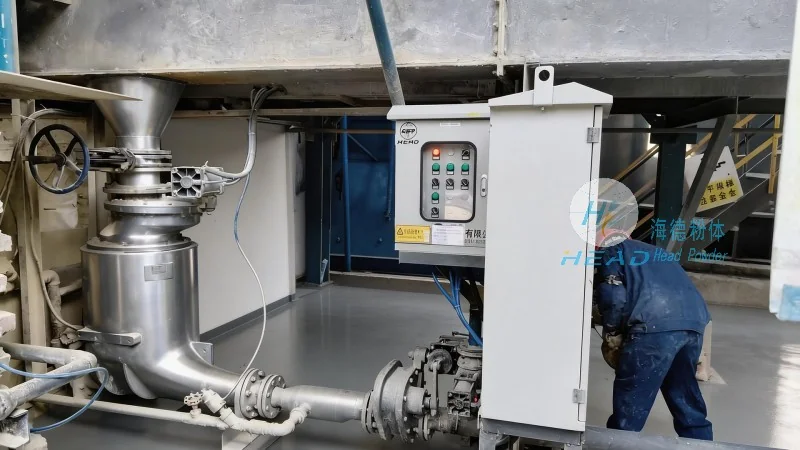
Enhanced safety is also a significant feature of smart material handling systems. By automating repetitive and hazardous tasks, these systems reduce the risk of workplace accidents and injuries. Advanced safety features, such as collision detection sensors and emergency stop mechanisms, ensure that operations remain safe even in high-speed environments. This not only protects employees but also minimizes the risk of equipment damage and associated costs.
The adoption of smart material handling systems offers numerous benefits that contribute to improved operational efficiency and cost savings. One of the most notable advantages is the reduction in labor costs. By automating material handling tasks, companies can reduce their reliance on manual labor, leading to lower payroll expenses and the ability to reallocate human resources to more strategic roles.
Increased productivity is another key benefit. Smart systems can operate 24/7 without fatigue, ensuring continuous material flow and reducing idle time. This leads to higher output levels and faster order fulfillment, which is crucial for meeting customer demands in today's competitive market. Additionally, the precision and accuracy of automated systems minimize errors, such as misplacement or damage to products, which can result in costly returns or customer dissatisfaction.
Improved inventory management is also a significant advantage. Real-time tracking and data analysis enable businesses to maintain optimal inventory levels, reducing stockouts and overstock situations. This not only improves cash flow but also enhances customer satisfaction by ensuring product availability. Furthermore, the integration of analytics tools allows for better decision-making, enabling companies to identify areas for improvement and optimize their supply chain processes.
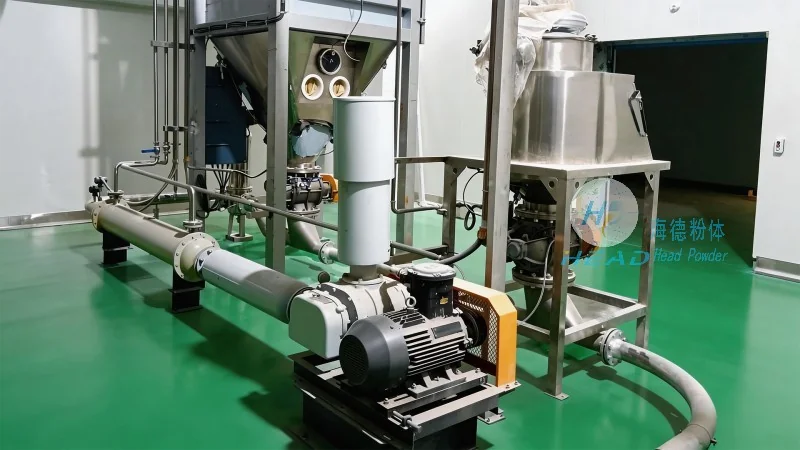
Smart material handling systems are widely used across various industries, each benefiting from the unique features and capabilities of these technologies. In manufacturing, these systems are employed to streamline production lines, ensuring that raw materials are delivered to workstations in a timely manner and finished products are efficiently moved to storage or shipping areas. This integration enhances production efficiency and reduces lead times.
In the logistics and warehousing sector, smart material handling systems play a critical role in optimizing order fulfillment processes. Automated storage and retrieval systems (AS/RS) and conveyor networks enable faster picking and packing of orders, while real-time tracking ensures that inventory is always up-to-date. This leads to improved order accuracy and faster delivery times, which are essential for maintaining customer loyalty.
In the pharmaceutical and healthcare industries, smart material handling systems are used to maintain strict inventory control and compliance with regulatory standards. The precision and traceability features of these systems help ensure that medications are stored and distributed correctly, reducing the risk of errors and improving patient safety. Additionally, the ability to track lot numbers and expiration dates helps in managing inventory effectively and preventing waste.
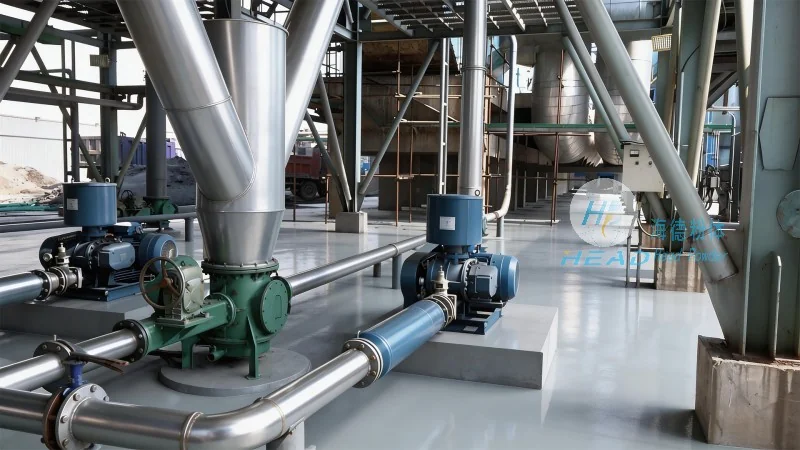
As technology continues to advance, smart material handling systems are expected to evolve further, incorporating emerging technologies to enhance their capabilities. One of the key trends is the integration of artificial intelligence (AI) and machine learning to enable more sophisticated predictive analytics and autonomous decision-making. This will allow systems to adapt to dynamic environments and optimize operations in real-time, further improving efficiency.
Another trend is the adoption of autonomous mobile robots (AMRs) and collaborative robots (cobots) in material handling. These technologies enable more flexible and adaptable systems that can work alongside human workers, enhancing safety and productivity. Additionally, the use of advanced sensors, such as LiDAR and computer vision, will improve the accuracy and reliability of material tracking and navigation.
Furthermore, the integration of blockchain technology is being explored to enhance supply chain transparency and traceability. By creating an immutable record of material movements, blockchain can help ensure product authenticity and compliance with regulations, providing added value to businesses and customers alike.
Smart material handling systems represent a significant advancement in industrial automation, offering numerous benefits that enhance operational efficiency, reduce costs, and improve safety. By understanding their working principles and key features, businesses can make informed decisions about implementing these systems to stay competitive in today's market. As technology continues to evolve, the future of material handling is likely to be even more intelligent and integrated, providing further opportunities for optimization and growth.

 Shandong Headpowder Engineering Co., Ltd.
 156-6277-7102(Manager Zhang)
  0531-83386006
  Zhangqiu District, Jinan City, Shandong Province, China
telephone
WeChatconsult
top