With more than 10‑year industry experience, Shandong Headpowder delivers full‑service pneumatic‑conveying systems and blowers, undertaking nationwide turn‑key powder‑handling projects.
For industries dealing with silicate materials, such as ceramics, glass, and refractory products, the efficiency and reliability of material handling systems are critical to production success. A silicate material conveying line is a specialized system engineered to transport these materials from one processing stage to another with precision and minimal loss. This article explores the fundamental aspects of such a system, focusing on its design principles and the key components that ensure optimal performance.
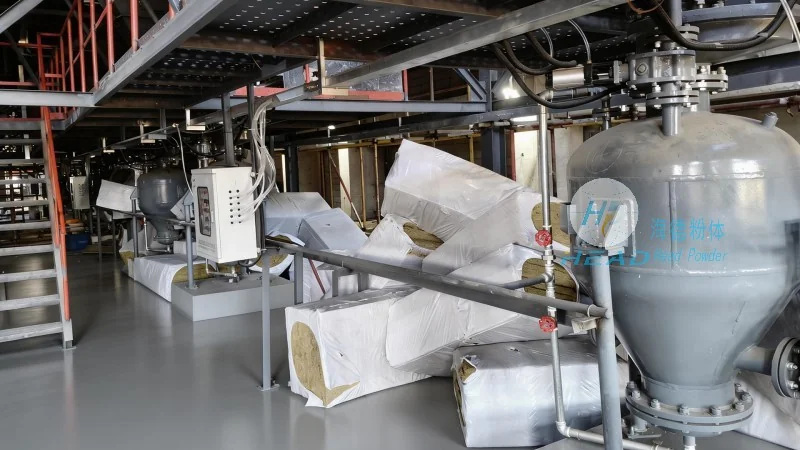
HeadPowder, a leading provider of industrial material handling equipment, specializes in developing customized conveying lines tailored to the unique needs of silicate material processing. With years of experience in the field, HeadPowder combines advanced engineering with practical application knowledge to deliver systems that enhance productivity and reduce operational costs. The company’s headquarters is located in Shandong, China, where its team of experts designs and manufactures equipment to meet global industry standards.
The design of a silicate material conveying line is guided by several key principles aimed at ensuring durability, efficiency, and safety. First, the system must be constructed from materials that can withstand the chemical and thermal properties of silicate materials, which often involve high temperatures and abrasive particles. Stainless steel, high-grade alloys, and specialized coatings are commonly used to protect the equipment from corrosion and wear. Second, the conveying mechanism must be designed to handle the specific flow characteristics of silicate powders and granules, preventing blockages and ensuring consistent material flow. This involves careful consideration of the material’s density, moisture content, and particle size distribution.
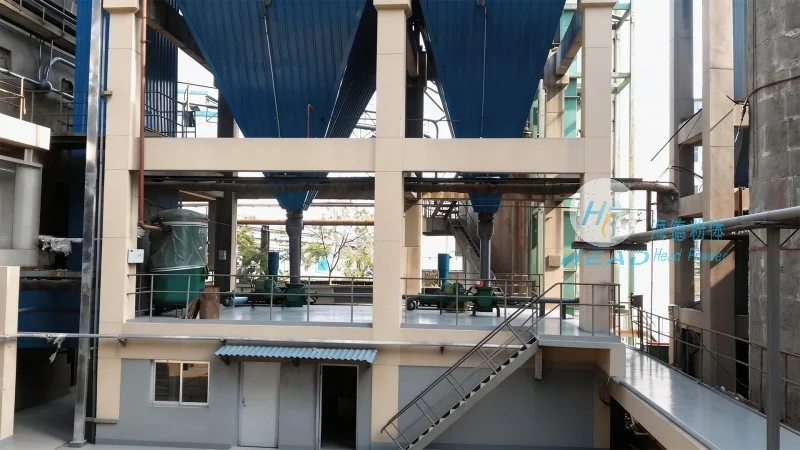
Third, the system’s layout and integration with other processing equipment are crucial for seamless operation. A well-designed conveying line minimizes material handling time and reduces the risk of contamination or degradation. This includes features like adjustable speed controls, automatic shut-off mechanisms, and integrated cleaning systems to maintain product quality. Additionally, the design must account for safety regulations, ensuring that the system complies with local and international standards for industrial machinery.
A silicate material conveying line typically consists of several interconnected components, each playing a vital role in the overall operation. The primary components include feeders, conveyors, elevators, and discharge systems. Feeders are responsible for uniformly distributing the material into the conveying line, preventing overloading or underloading that could lead to inefficiencies. Common types of feeders include screw feeders, vibratory feeders, and rotary valves, each selected based on the material’s properties and the required flow rate.
Conveyors, such as belt conveyors or pneumatic systems, transport the material horizontally or vertically. Belt conveyors are ideal for handling bulk materials with minimal spillage, while pneumatic conveying systems are suitable for fine powders that require dust-free transport. Elevators are used to lift materials to higher levels, often integrating with the conveyor system to create a vertical transport path. Discharge systems, including hoppers and chutes, ensure that the material is delivered to the next processing stage without loss or contamination.
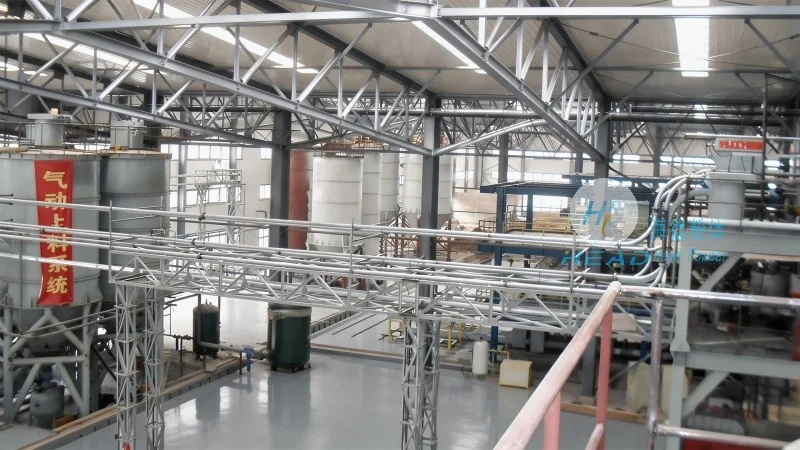
Implementing a well-designed silicate material conveying line offers numerous benefits for industrial operations. Firstly, it significantly improves production efficiency by automating material handling tasks, reducing the need for manual labor and minimizing downtime. This leads to increased output and faster turnaround times, which are essential in competitive markets. Secondly, the system enhances product quality by maintaining consistent material flow and preventing contamination. This is particularly important for silicate materials, where even small variations in composition can affect the final product’s properties.
Thirdly, the system reduces operational costs through energy efficiency and lower maintenance requirements. Advanced designs incorporate energy-saving features, such as variable speed drives, which adjust the conveyor speed based on the material load. This not only saves energy but also extends the lifespan of the equipment by reducing wear and tear. Additionally, the use of durable materials and robust construction minimizes the need for frequent repairs, further reducing long-term costs.
Silicate material conveying lines are widely used in various industries, including ceramics, glass manufacturing, and refractory production. In the ceramics industry, these systems transport raw materials like clay, feldspar, and quartz from storage to the mixing and molding stages. The precision of the conveying line ensures that the right proportions of each material are used, resulting in consistent product quality. In glass manufacturing, the system handles raw materials such as sand, soda ash, and limestone, transporting them to the melting furnaces. The ability to handle high temperatures and abrasive materials makes the conveying line essential for maintaining production continuity.
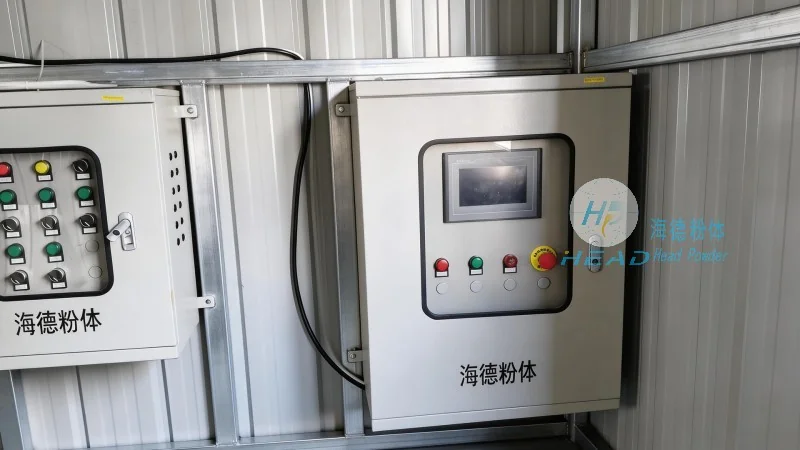
In refractory production, the system transports raw materials like silica, alumina, and magnesia, which are used to create high-temperature resistant materials. The system’s durability and ability to withstand harsh conditions make it suitable for these demanding applications. Overall, the silicate material conveying line is a critical component in modern silicate material processing, enabling industries to achieve higher productivity, better product quality, and lower operational costs.
When selecting a silicate material conveying line, it is essential to consider the specific requirements of your operation, including the type of material, production volume, and environmental conditions. HeadPowder’s expertise in customizing conveying systems ensures that clients receive a solution tailored to their unique needs. By adhering to the core design principles and incorporating advanced components, the company’s conveying lines provide reliable performance and long-term value. For industries looking to enhance their material handling capabilities, a well-designed silicate material conveying line from HeadPowder is a strategic investment that can drive operational excellence and competitive advantage.

 Shandong Headpowder Engineering Co., Ltd.
 156-6277-7102(Manager Zhang)
  0531-83386006
  Zhangqiu District, Jinan City, Shandong Province, China
telephone
WeChatconsult
top