With more than 10‑year industry experience, Shandong Headpowder delivers full‑service pneumatic‑conveying systems and blowers, undertaking nationwide turn‑key powder‑handling projects.
Cement tank trucks are specialized vehicles engineered to transport bulk cement and other powder materials with precision and reliability. The working principle of these trucks centers on a comprehensive system that ensures the material remains in optimal condition throughout the transport process. At the core of the operation is the tank itself, typically constructed from high-strength materials like stainless steel or carbon steel, which are coated with anti-corrosive layers to withstand the chemical properties of cement and other powders. This robust construction prevents material degradation and ensures the longevity of the truck.
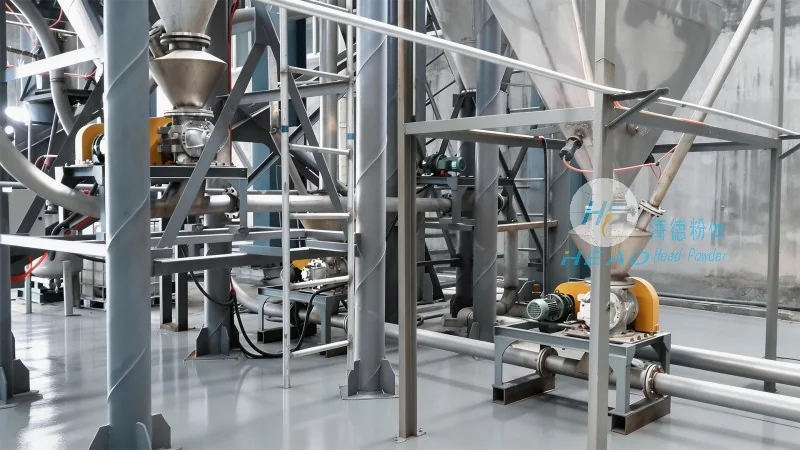
The material transport system in cement tank trucks comprises several critical components that work in unison. The tank is equipped with a mixing device, commonly a paddle or agitator, which continuously rotates to prevent cement from settling or forming lumps. This mixing mechanism is essential for maintaining the flowability of the material, especially during long-distance transport. Additionally, the truck features a high-pressure pump system, often a piston or diaphragm pump, that generates the necessary force to move the cement from the tank to the discharge point. The pump is connected to the tank via a pipeline network, which includes valves and check valves to control flow direction and prevent backflow. This integrated system ensures smooth and controlled material transfer.
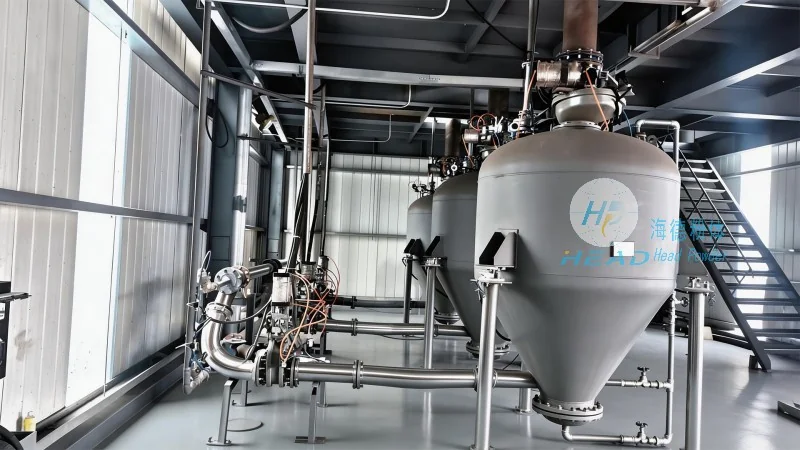
A critical feature of cement tank trucks is their ability to maintain a sealed environment. The tank is fitted with airtight seals at the top and discharge ports, designed to prevent air ingress and material leakage. The discharge valve, typically a rotary or slide valve, is equipped with a sealing mechanism that ensures a tight closure when not in use. This sealing system is vital for preserving the integrity of the cement, as exposure to air can cause the material to harden or lose its workability. Furthermore, the truck may include a dust suppression system, such as a water spray or air curtain, which minimizes dust emissions during loading and unloading operations. This not only enhances safety for personnel but also contributes to environmental compliance by reducing air pollution.
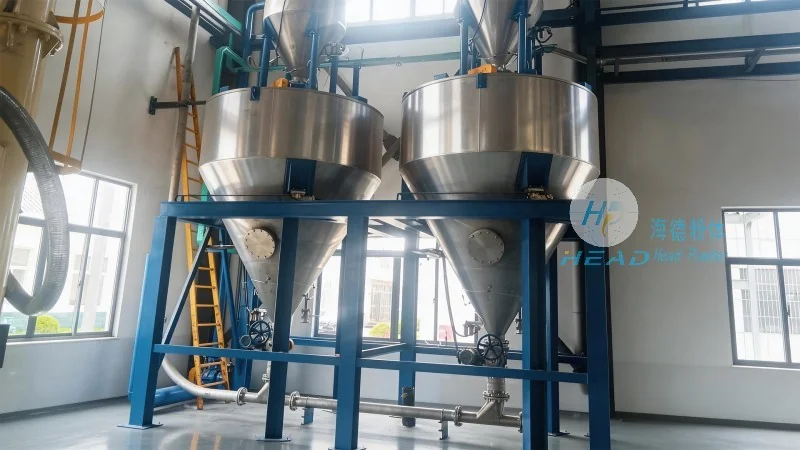
Cement tank trucks offer significant advantages in material transport compared to traditional methods like bagged cement or manual handling. The bulk transport capability allows for higher volume delivery, reducing the number of trips required and improving overall logistics efficiency. The automated mixing and pumping systems minimize labor needs, cutting costs and reducing the risk of human error. Additionally, the sealed and insulated tank design helps maintain the temperature and moisture content of the cement, ensuring the material arrives at the construction site in optimal condition. This consistency in quality is crucial for projects requiring precise cement composition, such as high-rise buildings or infrastructure development.
Operational safety is a top priority in cement tank truck design. The trucks are equipped with pressure relief valves to prevent over-pressurization and emergency shut-off systems in case of leaks or malfunctions. The sealed system also reduces the risk of dust inhalation by construction workers, creating a safer working environment. From an environmental perspective, the sealed discharge and dust suppression systems minimize the impact of cement dust on the surrounding air and soil. The efficient transport process also lowers the carbon footprint associated with multiple smaller deliveries, as fewer trucks are needed to transport the same volume of material.
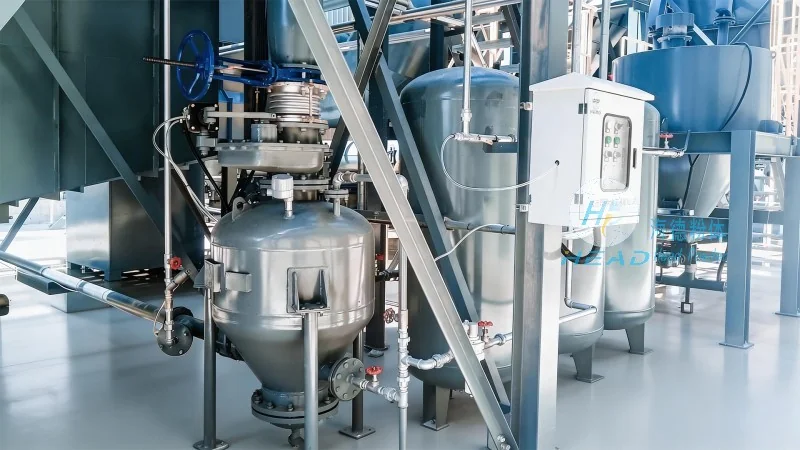
Cement tank trucks represent a sophisticated solution for bulk material transport, integrating advanced engineering with practical design to meet the demands of modern construction and industrial applications. The working principles and features discussed—such as the sealed tank system, mixing and pumping mechanisms, and safety features—contribute to the efficient and reliable delivery of cement and other powders. As a leading provider in the industry, Shandong HeadPowder Engineering Co., Ltd. specializes in the design, manufacturing, and supply of specialized equipment, with a commitment to quality and customer satisfaction. Based in China, the company leverages its expertise to deliver innovative solutions that enhance operational efficiency and safety for clients worldwide.

 Shandong Headpowder Engineering Co., Ltd.
 156-6277-7102(Manager Zhang)
  0531-83386006
  Zhangqiu District, Jinan City, Shandong Province, China
telephone
WeChatconsult
top