

What is a Paper Sheet Material Conveying Line? And What Are Its Design Principles?
When it comes to industrial material handling, the paper sheet material conveying line is a critical component in many manufacturing and processing environments. These systems are designed to efficiently transport paper sheets or similar flat materials from one location to another, ensuring smooth operations and optimal productivity. Understanding what a paper sheet material conveying line is and its underlying design principles is essential for anyone involved in the selection, implementation, or maintenance of such equipment. HeadPowder, a leading manufacturer based in Shandong, China, specializes in providing high-quality paper sheet material conveying lines tailored to meet the diverse needs of various industries.
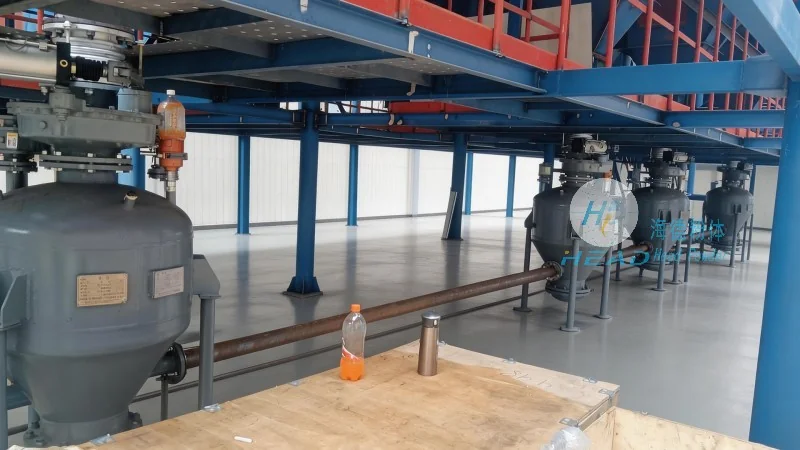
Introduction to Paper Sheet Material Conveying Lines
A paper sheet material conveying line, often referred to as a paper conveyor system, is a specialized piece of industrial equipment used to move paper sheets, cardboard, or other flat materials through a production process. These systems are commonly used in industries such as printing, packaging, and paper manufacturing, where the efficient handling of paper products is crucial for meeting production demands and maintaining quality standards. The primary function of a paper sheet material conveying line is to provide a reliable and consistent method for transporting materials, reducing manual labor, and minimizing the risk of damage or misplacement.
Key Components of a Paper Sheet Material Conveying Line
At the core of any paper sheet material conveying line are several key components that work together to ensure effective material transport. These components include: conveyors (such as belt conveyors, roller conveyors, or chain conveyors), feeding mechanisms (to introduce the paper sheets into the system), guiding devices (to keep the sheets aligned and on track), and control systems (to regulate the speed and direction of the conveyor). Each component plays a vital role in the overall operation of the system, and their design and integration are critical to the system's performance.
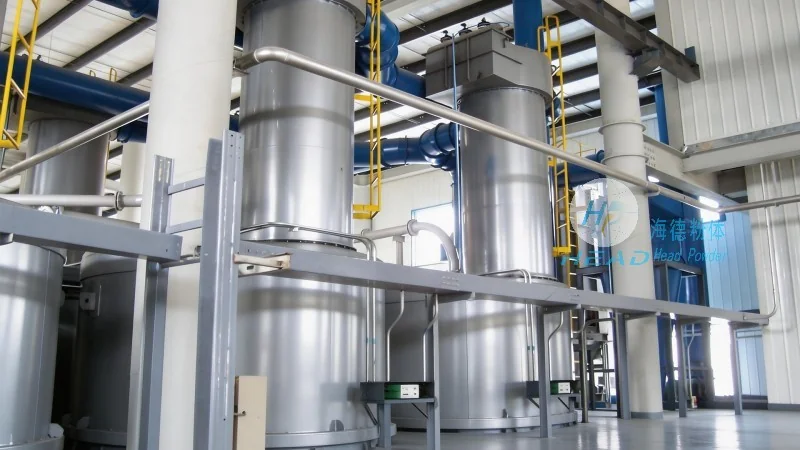
Design Principles for Paper Sheet Material Conveying Lines
The design of a paper sheet material conveying line is guided by several fundamental principles aimed at maximizing efficiency, reliability, and adaptability. These principles include: material compatibility (ensuring the conveyor components are suitable for the specific type of paper being handled), load capacity (designing the system to handle the expected volume and weight of paper sheets), speed and control (allowing for adjustable speeds to accommodate different production stages), and durability (using robust materials to withstand the rigors of continuous operation). Additionally, the design must consider factors such as space constraints, environmental conditions, and integration with other production equipment to ensure seamless operation.
How Paper Sheet Material Conveying Lines Enhance Industrial Operations
Implementing a paper sheet material conveying line can significantly enhance the efficiency and productivity of industrial operations. By automating the movement of paper sheets, these systems reduce the need for manual handling, which in turn minimizes the risk of human error and workplace injuries. The consistent and reliable transport of materials also helps maintain quality control, as the system ensures that paper sheets are handled gently and without damage, preserving their integrity for subsequent processing steps. Furthermore, the ability to adjust conveyor speeds and configurations allows for flexibility in production, enabling manufacturers to adapt to changing production demands or product specifications without significant downtime.
Applications of Paper Sheet Material Conveying Lines
Paper sheet material conveying lines are widely used in various industrial applications, including but not limited to: printing facilities (for transporting printed sheets from the press to finishing areas), packaging plants (for moving cardboard boxes or paper products through assembly lines), and paper mills (for conveying raw paper sheets through drying and finishing processes). In each of these applications, the conveying line plays a critical role in streamlining the production process and ensuring that materials are moved efficiently and safely. The versatility of these systems allows them to be customized to meet the specific needs of different industries and production environments.
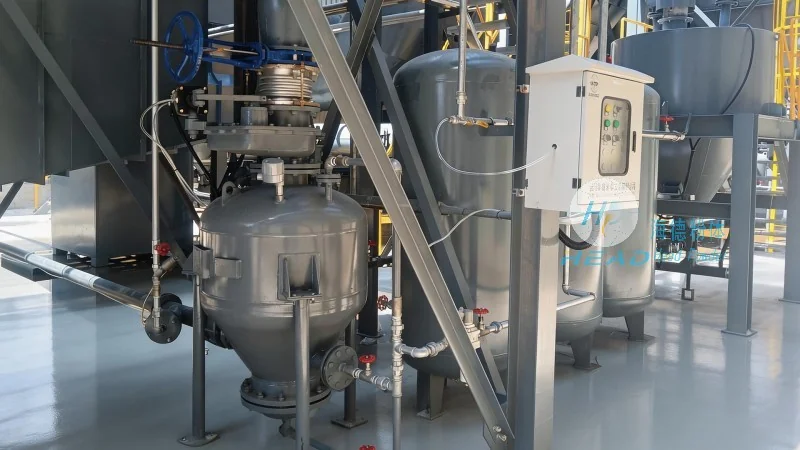
Choosing the Right Paper Sheet Material Conveying Line
When selecting a paper sheet material conveying line, it is essential to consider several factors to ensure the best fit for your specific needs. First, the type of paper being handled should be evaluated, as different materials may require different conveyor designs or components. Second, the expected volume and speed of material transport should be determined, as this will influence the capacity and speed of the conveyor system. Third, the available space and layout of the production facility should be taken into account, as the system must be integrated seamlessly into the existing workflow. Finally, the budget and long-term maintenance costs should be considered, as these factors will impact the overall cost-effectiveness of the investment.
Maintenance and Troubleshooting for Paper Sheet Material Conveying Lines
Proper maintenance is crucial to ensure the longevity and reliability of a paper sheet material conveying line. Regular inspections and cleaning of the conveyor components are necessary to prevent the buildup of paper debris or other contaminants that could affect performance. Additionally, lubrication of moving parts and replacement of worn-out components should be performed according to the manufacturer's recommendations. Common issues that may arise with these systems include conveyor belt slippage, misalignment of rollers, or jamming of paper sheets. Troubleshooting these issues typically involves checking the control system settings, inspecting the components for wear or damage, and ensuring proper alignment and tension of the conveyor parts.