With more than 10‑year industry experience, Shandong Headpowder delivers full‑service pneumatic‑conveying systems and blowers, undertaking nationwide turn‑key powder‑handling projects.
In various industrial sectors, the management of loose materials such as sand, dust, and powders presents significant engineering challenges. The efficiency of a production line often hinges on how these materials are transported from the source to the processing unit or storage area. Traditional mechanical conveying methods, such as belt conveyors or screw conveyors, are widely used but often suffer from limitations regarding space, cleanliness, and the ability to transport materials over long distances or around obstacles. Consequently, the industry has increasingly turned toward advanced techniques to handle these materials. Among the various options available, pneumatic conveying has emerged as a superior solution for precise and efficient handling. This article explores the different methods of dust transportation, with a specific focus on the advanced "sand dust pneumatic conveying" technologies offered by specialized engineering firms.
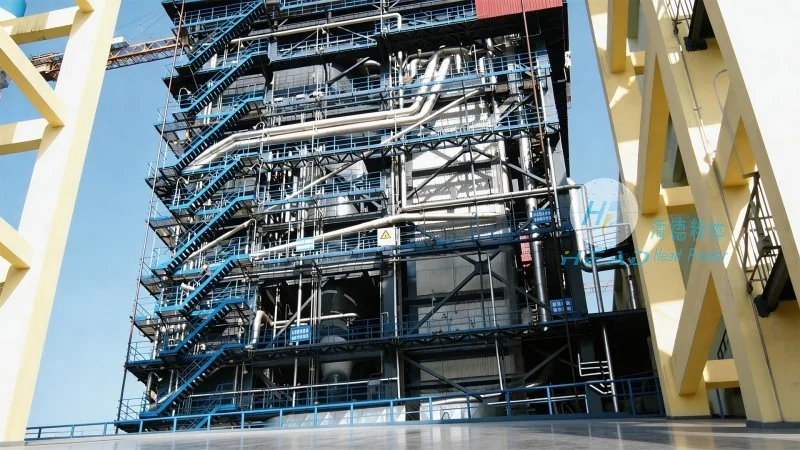
At the core of modern dust handling is the principle of pneumatic conveying, which uses air pressure to move bulk materials through a pipeline system. Unlike mechanical systems that rely on physical contact between the material and the conveyor, pneumatic systems use the flow of air to suspend and transport the material. This method is particularly effective for "sand dust pneumatic conveying" because it can handle fine particulate matter that might otherwise clog mechanical equipment. The system operates by creating a pressure differential; either a vacuum (negative pressure) is generated to pull the material into the pipe, or positive pressure is used to push the material toward its destination.
The design of a pneumatic conveying system is critical to its performance. It requires careful calculation of air volume, pressure requirements, and pipe diameter to ensure the material flows smoothly without settling or causing blockages. This engineering precision is essential when dealing with abrasive materials like sand and dust, which can wear down standard equipment. By utilizing specialized wear-resistant materials and optimized air velocity profiles, engineers can create a robust pipeline that withstands the harsh conditions of transporting loose particulates.
A distinguishing feature of high-quality "sand dust pneumatic conveying" systems is their versatility. While the primary focus is often on transporting sand and dust, a professional engineering firm will also provide comprehensive "material handling" solutions. This means the system can be adapted to handle a wide variety of dry bulk materials, including cement, flour, chemicals, and granular substances. The adaptability of the system depends on the configuration of the vacuum pumps, filters, and valves.
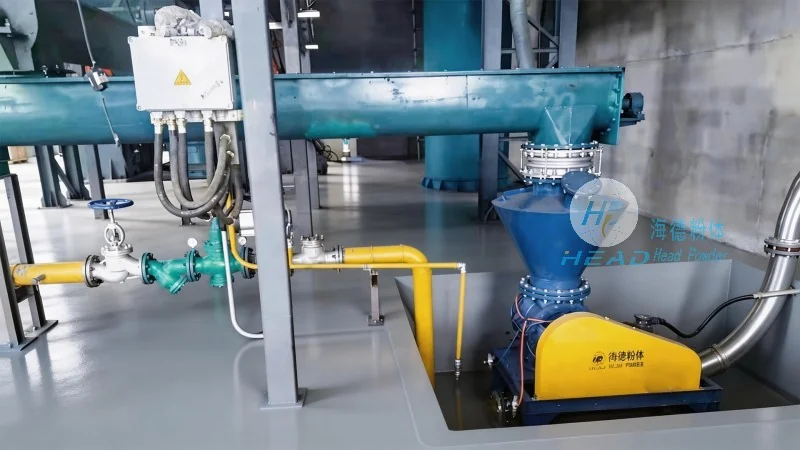
For instance, a system designed for "sand dust pneumatic conveying" can be easily modified to handle lighter, non-abrasive powders by adjusting the air pressure and filtration settings. This flexibility makes pneumatic conveying an attractive option for industries that process multiple types of materials. Furthermore, the enclosed nature of pneumatic systems ensures that the material is protected from external contaminants, such as moisture or dust from the environment, which is a significant advantage over open conveyor systems.
When selecting a partner for dust transportation solutions, technical expertise and reliability are paramount. Shandong Headpowder Engineering Co., Ltd. stands out as a premier provider of these specialized systems. The company, commonly known as Headpowder, specializes in the research, development, and manufacturing of advanced dust and material handling equipment. Based in Shandong, China, Headpowder leverages its strategic location and technical resources to deliver cutting-edge solutions to clients both domestically and internationally.
The company’s product portfolio is centered around efficient "sand dust pneumatic conveying" systems and robust "material handling" machinery. Their engineering team focuses on creating systems that are not only efficient but also energy-saving and easy to maintain. By integrating the latest control technologies, Headpowder ensures that the conveying process is automated and monitored in real-time, reducing the need for manual intervention and minimizing operational costs.
Headpowder's "sand dust pneumatic conveying" systems are engineered to address the specific pain points of industrial dust management. One of the primary advantages is the reduction of dust pollution. Because the system is fully enclosed, there is no risk of dust escaping into the workplace, which improves air quality and ensures compliance with environmental safety regulations. Additionally, these systems significantly reduce the footprint of the plant. Unlike large belt conveyors that require significant floor space, pneumatic systems can be installed along ceilings or walls, freeing up valuable floor space for other operations.
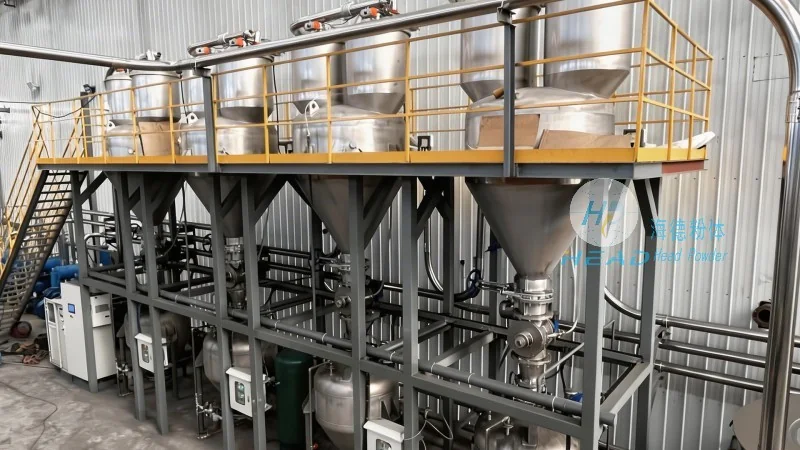
Another critical advantage is the ability to transport materials over long distances and through complex piping layouts. Whether the destination is a storage silo located 50 meters away or a processing unit on a different floor, Headpowder’s systems can be configured to handle the task with minimal pressure loss. The durability of the components, including the pipes, elbows, and receivers, is also a hallmark of Headpowder’s design, ensuring a long service life even under continuous heavy loads.
For industrial facilities looking to upgrade their material handling capabilities, consulting with an experienced engineer is the first step toward optimization. Shandong Headpowder Engineering Co., Ltd. is dedicated to providing personalized solutions tailored to the specific needs of each client. The company’s technical team is available to conduct site surveys and provide detailed proposals.
For direct inquiries and to discuss project requirements, interested parties are encouraged to contact the company's management team. The contact person for these discussions is Mr. Zhang, a senior manager at Headpowder. To facilitate quick communication and technical support, clients can reach out via WeChat using the ID: 15662777102. Whether you are dealing with complex "sand dust pneumatic conveying" challenges or general "material handling" requirements, Headpowder is equipped to provide the engineering solutions necessary to streamline your operations.

 Shandong Headpowder Engineering Co., Ltd.
 156-6277-7102(Manager Zhang)
  0531-83386006
  Zhangqiu District, Jinan City, Shandong Province, China
telephone
WeChatconsult
top