With more than 10‑year industry experience, Shandong Headpowder delivers full‑service pneumatic‑conveying systems and blowers, undertaking nationwide turn‑key powder‑handling projects.
The industrial sector, particularly in cement, steel, and power generation, generates vast quantities of by-products that require efficient management. One of the most critical materials to handle is slag, a glassy, granular material formed during the smelting or refining of ore. Due to its abrasive nature, fine particle size, and tendency to generate dust, the transportation of slag presents significant engineering challenges. Traditional mechanical methods often fall short in meeting modern environmental and operational standards. Consequently, the industry has turned towards more sophisticated systems capable of handling these tough materials without compromising safety or efficiency. Understanding the nuances of slag transportation is essential for facility managers looking to optimize their production lines.
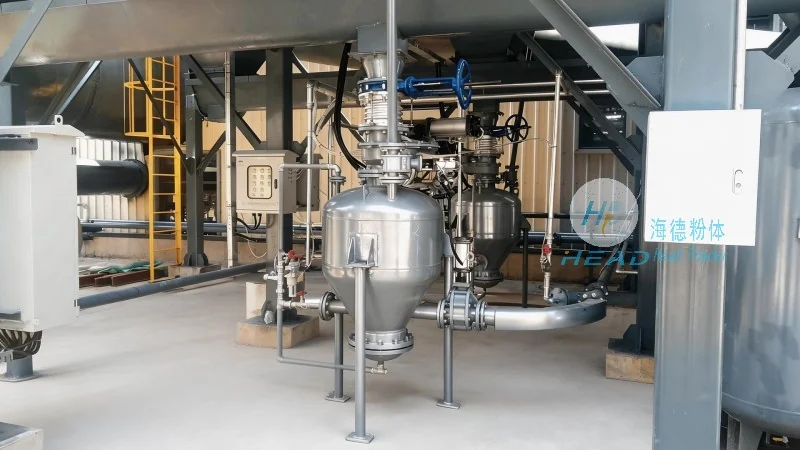
Before exploring advanced solutions, it is vital to understand why older methods are often inadequate for slag. Belt conveyors, while common, are susceptible to wear and tear from abrasive particles, leading to frequent maintenance and downtime. Furthermore, they require large floor space and can create dust leakage, posing health risks to workers. Screw conveyors, another traditional option, are prone to blockages, especially when handling sticky or irregularly shaped slag particles. These mechanical limitations necessitate a shift towards systems that offer better sealing, lower maintenance, and greater flexibility in routing. The demand for a robust material handling solution has never been higher, driving innovation in the field of pneumatic conveying.
Pneumatic conveying systems utilize air pressure to transport bulk materials through enclosed pipelines. This technology stands out because it eliminates the need for open chutes or moving mechanical parts in the transport process. The system works by creating a pressure differential, either pushing the material (positive pressure) or pulling it (negative pressure/vacuum). This method is particularly effective for slag pneumatic conveying because it can handle high temperatures and corrosive environments. By enclosing the material, pneumatic conveying ensures that dust does not escape into the atmosphere, thereby adhering to strict environmental regulations. The technology has evolved significantly, offering both dilute phase and dense phase systems to suit specific material characteristics.
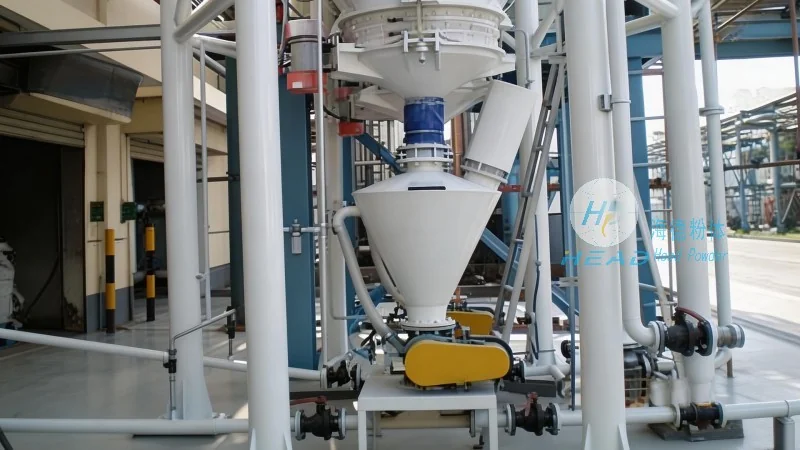
When seeking a reliable partner for complex material conveying projects, the expertise of the engineering firm is paramount. Headpowder specializes in designing and manufacturing systems tailored to the unique properties of industrial by-products like slag. Their approach focuses on customization, ensuring that the system matches the specific flow rates, distances, and environmental conditions of the client's facility. By leveraging state-of-the-art technology, Headpowder provides solutions that are not only efficient but also cost-effective over the long term. Their systems are engineered to handle the high abrasion and varying moisture content often found in slag, ensuring a continuous and uninterrupted production flow.
To maximize efficiency, it is crucial to select the appropriate conveying mode. Headpowder's engineering team analyzes the material properties to recommend either dilute phase or dense phase conveying. Dilute phase systems use high-velocity air to transport materials at lower densities, making them suitable for short distances and free-flowing materials. Conversely, dense phase systems use low-velocity, high-pressure air to transport materials in a plug-like flow. This method significantly reduces wear on the pipelines and the material itself, making it ideal for slag pneumatic conveying where material degradation must be minimized. Understanding these technical distinctions allows plant operators to select the most energy-efficient and durable system for their needs.
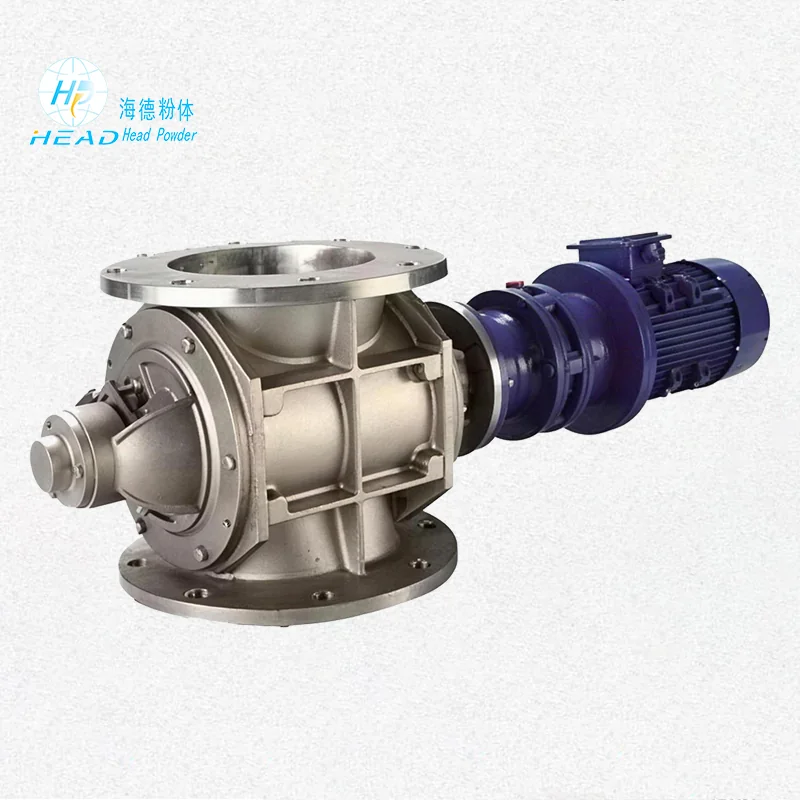
A successful material handling system relies on high-quality components working in harmony. The primary components include the air supply system, the conveying pipeline, the receiver hopper, and the dust collection system. For slag applications, the pipelines are often made of high-grade steel or lined with ceramic to withstand abrasion. The air supply must be regulated precisely to maintain consistent pressure. Additionally, the dust collection system is critical for environmental compliance, capturing fine particulates before they are released into the environment. Headpowder ensures that every component, from the rotary valve to the cyclone separator, is selected based on rigorous testing and quality assurance protocols.
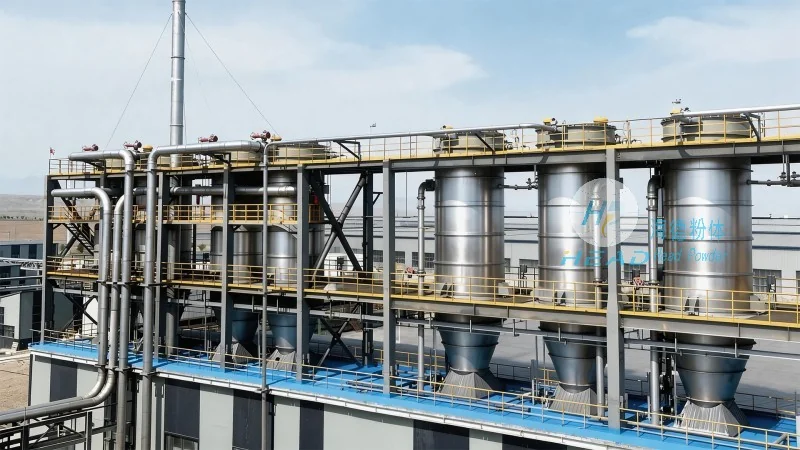
Implementing a pneumatic conveying system offers numerous advantages over traditional methods. The most significant benefit is the ability to transport materials over long distances and around obstacles without the need for complex routing. The enclosed nature of the system prevents dust pollution, creating a safer and cleaner working environment. Moreover, pneumatic systems require minimal maintenance compared to mechanical conveyors, as there are no belts, chains, or rotating screws to replace. This reliability translates to lower operational costs and higher uptime. For facilities handling abrasive materials like slag, the reduction in wear and tear on equipment is a decisive factor in choosing a pneumatic solution.
No two industrial plants are exactly alike, and neither are their material handling requirements. Headpowder prides itself on its ability to provide bespoke solutions. Their engineering team conducts thorough site surveys and material testing to design a system that perfectly fits the client's operational parameters. Whether the challenge involves vertical lifts, horizontal runs, or complex branching, the design is optimized for energy efficiency and reliability. This bespoke approach ensures that the material conveying system integrates seamlessly into the existing production line, enhancing overall productivity without disrupting workflow.
Headpowder is a leading enterprise dedicated to the research, development, and production of powder and granular material handling equipment. Located in Shandong, China, the company has established itself as a trusted name in the industry. Their commitment to innovation and quality has earned them a reputation for delivering robust and efficient systems that meet international standards. By combining local manufacturing capabilities with global engineering expertise, Shandong Headpowder Engineering Co., Ltd. provides comprehensive solutions for the mining, chemical, and construction material sectors. Their focus on customer satisfaction ensures that every project, regardless of size, receives the same level of attention and professional care.
For those interested in upgrading their material handling infrastructure or require a consultation on slag pneumatic conveying systems, direct communication with the engineering team is recommended. The project managers are available to discuss technical specifications, provide quotations, and offer after-sales support. To connect with the team, please contact Zhang Manager. You can reach them via WeChat at 15662777102. This direct line allows for swift communication and ensures that your inquiries are handled with the highest priority by the experienced professionals at Headpowder.
The evolution of material handling technology has made pneumatic conveying the preferred method for transporting abrasive and dusty materials like slag. By choosing a specialized provider like Headpowder, companies can ensure they have a system that is durable, efficient, and environmentally friendly. The transition to a pneumatic solution not only solves immediate handling problems but also future-proofs the facility against rising operational costs and stricter environmental regulations. Investing in a high-quality material conveying system is a strategic decision that pays dividends in efficiency and safety for years to come.

 Shandong Headpowder Engineering Co., Ltd.
 156-6277-7102(Manager Zhang)
  0531-83386006
  Zhangqiu District, Jinan City, Shandong Province, China
telephone
WeChatconsult
top