With more than 10‑year industry experience, Shandong Headpowder delivers full‑service pneumatic‑conveying systems and blowers, undertaking nationwide turn‑key powder‑handling projects.
Handling fine powders presents unique engineering challenges due to their tendency to flow poorly, generate static electricity, and create dust. Unlike bulk materials, micro powders require precise control to ensure safety, efficiency, and product integrity. This is where specialized micro powder transport systems become essential. At Shandong Headpowder Engineering Co., Ltd., we understand these complexities and provide robust solutions designed to handle delicate and fine particulate matter with ease. Our expertise in micro powder air conveying ensures that your production lines remain continuous, clean, and free from contamination.
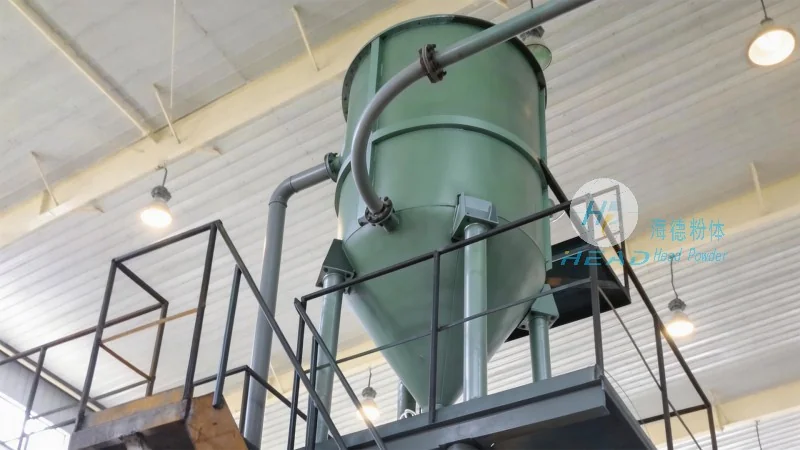
The core principle of micro powder air conveying involves using a carrier gas, typically air, to transport fine particulate materials through a pipeline. The goal is to move the material from a storage vessel to a processing unit or packaging machine without manual intervention. Because micro powders are lightweight and can easily become airborne, standard mechanical conveyors like belts or screw feeders are often insufficient. Instead, pneumatic systems utilize air pressure differentials to move the material through the system. Shandong Headpowder Engineering Co., Ltd. specializes in engineering these pneumatic networks to optimize flow and minimize degradation of the product.
One of the most common methods in material conveying is the positive pressure system. In this configuration, a high-pressure fan or blower pushes air into the pipeline, creating a pressure differential that propels the micro powder forward. This method is highly effective for transporting materials over long distances and up steep inclines. Positive pressure systems are particularly suitable when the source of the material is centralized, such as a single silo or hopper. By maintaining a constant forward pressure, these systems ensure that even the finest powders maintain a consistent velocity, preventing settling in the pipeline. Shandong Headpowder Engineering Co., Ltd. designs these systems to include precise pressure regulation valves to protect sensitive equipment and ensure stable flow rates.
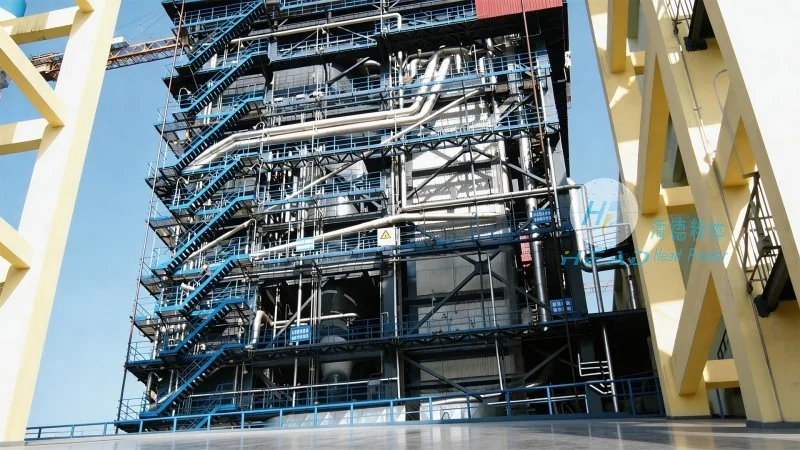
Conversely, negative pressure systems operate by creating a vacuum within the pipeline. A vacuum pump or exhauster draws air—and the material suspended within it—towards the collection point. This method is ideal for applications requiring the collection of material from multiple points, such as several production machines feeding into one central silo. Negative pressure is also excellent for preventing dust leakage, as the system is designed to contain the air flow entirely within the closed loop. For facilities prioritizing environmental safety and dust control, micro powder air conveying via negative pressure offers a superior solution. The system effectively pulls the powder into the pipeline, ensuring that no fine particulates escape into the workshop environment.
To maximize efficiency, many modern facilities utilize a combination of suction and pressure. A hybrid system might use negative pressure to collect material from various points and positive pressure to transport that material to a central processing area or storage facility. This flexibility allows for complex plant layouts where material sources and destinations are not co-located. Shandong Headpowder Engineering Co., Ltd. excels in designing these hybrid networks, ensuring that the transition between suction and pressure zones is seamless. This approach optimizes energy consumption while maintaining high throughput, making it a preferred choice for large-scale industrial operations.
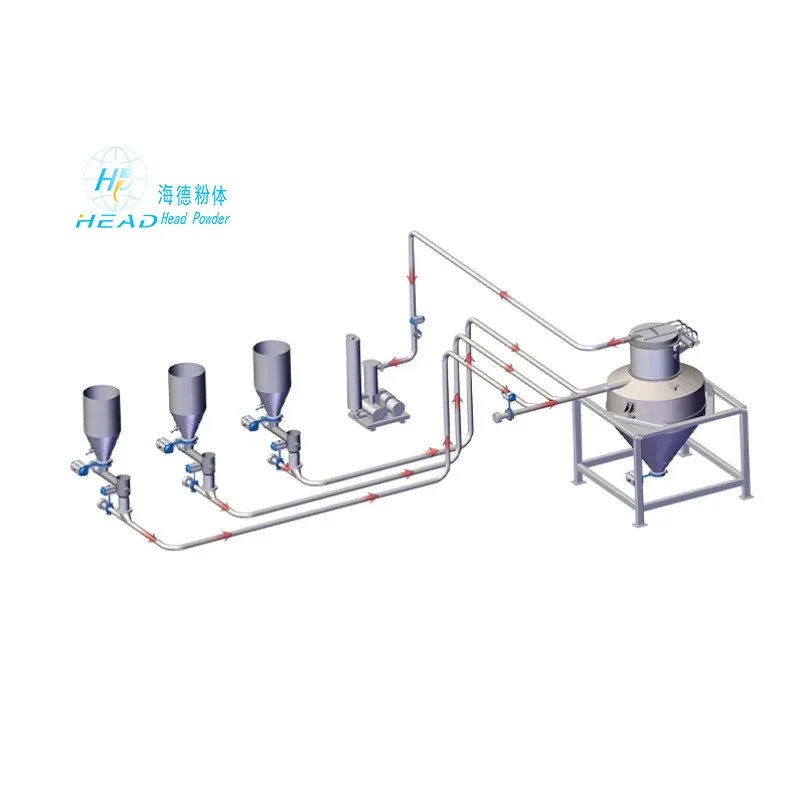
A successful micro powder transport system relies on several critical components working in harmony. The primary equipment includes rotary airlocks or valves, which prevent air from escaping while allowing powder to enter the pipeline. These are often paired with cyclone separators and filters to clean the air before it is recirculated or vented. For micro powder air conveying, the choice of filter media is crucial to capture the finest dust particles. Additionally, the pipelines must be sized correctly to prevent excessive wear and maintain optimal flow characteristics. Shandong Headpowder Engineering Co., Ltd. provides comprehensive turnkey solutions, supplying not just the conveyors but also the necessary valves, receivers, and control systems to ensure a complete and reliable setup.
Investing in a professional material conveying system offers significant operational benefits. First and foremost is hygiene; pneumatic systems are fully enclosed, eliminating the risk of cross-contamination that can occur with open belt conveyors. This is vital in the food, pharmaceutical, and chemical industries. Secondly, these systems save valuable floor space, as the piping can be run overhead or through walls, freeing up ground area for other machinery. Thirdly, automation reduces labor costs and increases production consistency. By utilizing advanced micro powder air conveying technology, companies can achieve a continuous, uninterrupted workflow that manual handling simply cannot match.
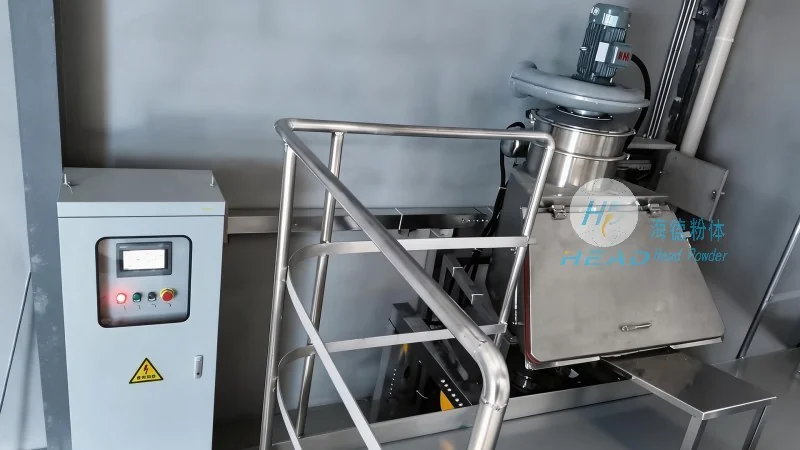
If you are looking for reliable and efficient micro powder transport solutions, Shandong Headpowder Engineering Co., Ltd. is your trusted partner. Our team of engineers is dedicated to providing customized systems that meet your specific production requirements. For detailed consultation and support regarding your micro powder air conveying needs, please contact our project manager, Zhang Manager. You can reach us directly via WeChat at 15662777102 to discuss your project specifications and receive a tailored solution.
Effective micro powder transport is a critical component of modern industrial automation. Whether through positive pressure, negative pressure, or hybrid systems, the ability to move fine powders safely and efficiently is paramount. Shandong Headpowder Engineering Co., Ltd. remains committed to delivering high-quality material conveying systems that enhance productivity and ensure product quality. We invite you to connect with us to explore how our expertise can be integrated into your facility.

 Shandong Headpowder Engineering Co., Ltd.
 156-6277-7102(Manager Zhang)
  0531-83386006
  Zhangqiu District, Jinan City, Shandong Province, China
telephone
WeChatconsult
top