

Working Principle and Features of Titanium Mineral Powder Pneumatic Conveying Equipment
When it comes to efficient and reliable material handling in industrial settings, pneumatic conveying systems have become indispensable for transporting fine powders like titanium mineral powder. The working principle of such equipment involves the use of air or gas to move material from one location to another without the need for mechanical components like belts or buckets. This method is particularly advantageous for handling abrasive or sensitive powders, ensuring minimal product degradation and maintaining high purity levels.
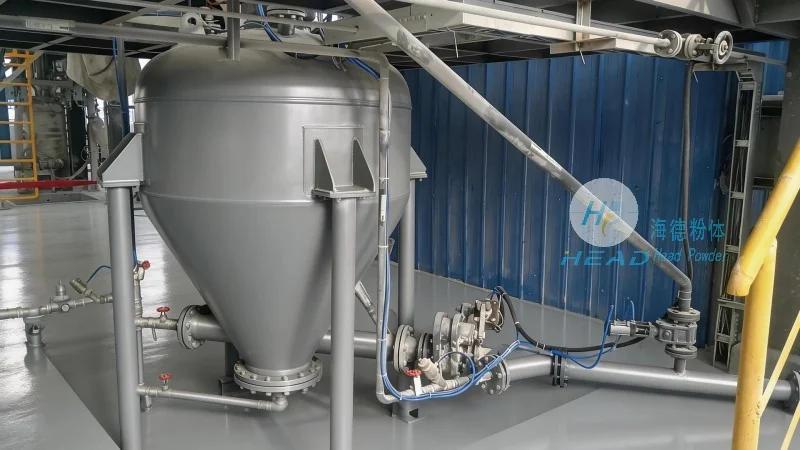
Working Principle of Titanium Mineral Powder Pneumatic Conveying Equipment
The core mechanism of pneumatic conveying for titanium mineral powder relies on the creation of a pressure differential between the conveying line and the ambient environment. A blower or compressor generates the necessary airflow, which is then directed through a pipeline system. The powder is introduced into the conveying line at a specific point, typically via a hopper or feeder, and is entrained by the moving air stream. As the air and powder mixture travels through the pipeline, it reaches the discharge point where the air is separated from the powder, often using cyclone separators or filters. The separated powder is then collected in a receiving hopper, while the air is either vented to the atmosphere or recirculated for energy efficiency. This process ensures a continuous, closed-loop system that minimizes dust emissions and maintains product integrity.
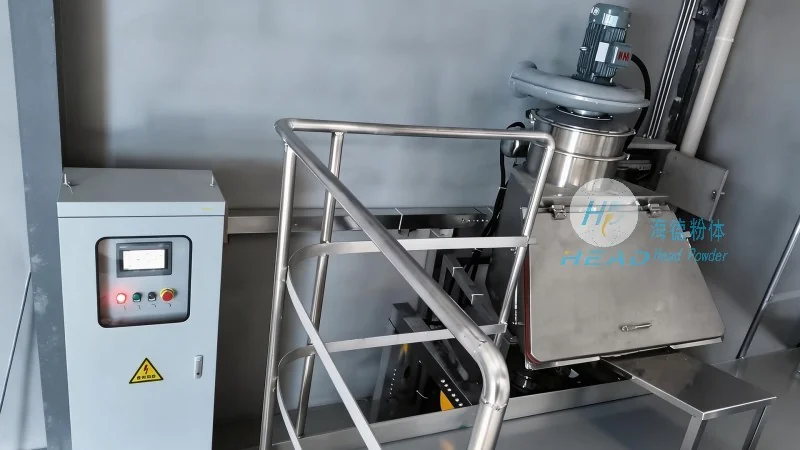
Key Features of Titanium Mineral Powder Pneumatic Conveying Equipment
Several critical features distinguish high-quality pneumatic conveying systems for titanium mineral powder, making them ideal for demanding industrial applications. First, the equipment is designed for low maintenance, with robust components that can withstand the abrasive nature of titanium powder, reducing downtime and operational costs. Second, the system offers excellent dust control, as the conveying process is enclosed, preventing environmental contamination and ensuring compliance with industrial regulations. Third, the flexibility of the system allows for easy integration with existing production lines, enabling seamless material transfer between processing stages. Additionally, the equipment provides precise control over flow rates and pressure, which is crucial for maintaining consistent product quality and preventing overloading or underloading of downstream equipment. The use of advanced materials in the construction of the conveying lines, such as stainless steel or specialized polymers, further enhances durability and resistance to corrosion from the powder.
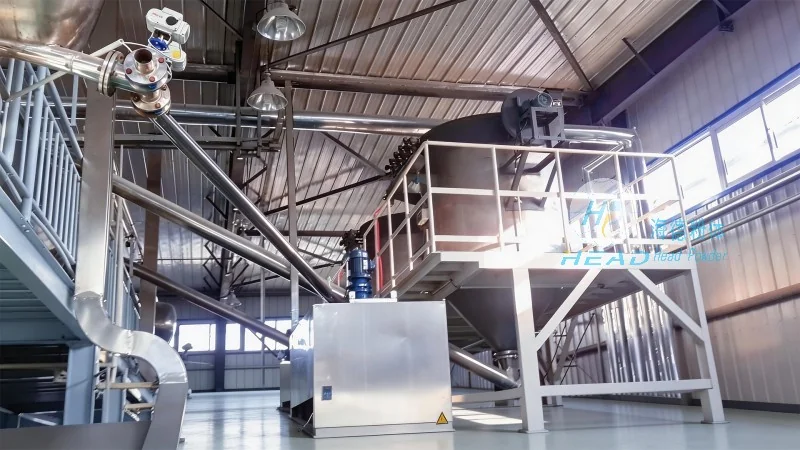
Company Overview: Shandong HeadPowder Engineering Co., Ltd.
At Shandong HeadPowder Engineering Co., Ltd., we specialize in the design, manufacturing, and installation of advanced pneumatic conveying solutions tailored to the unique needs of the titanium mineral industry. Our company, commonly known as HeadPowder, has built a reputation for delivering reliable and efficient equipment that meets the highest standards of performance and durability. With a focus on innovation and customer satisfaction, we work closely with clients to understand their specific material handling challenges and provide customized solutions that optimize their production processes. Our team of experienced engineers and technicians ensures that each system is engineered to handle the unique properties of titanium mineral powder, including its fine particle size and potential for agglomeration. We pride ourselves on our commitment to quality, safety, and sustainability, ensuring that our equipment not only enhances operational efficiency but also contributes to a cleaner and more environmentally responsible industrial environment.
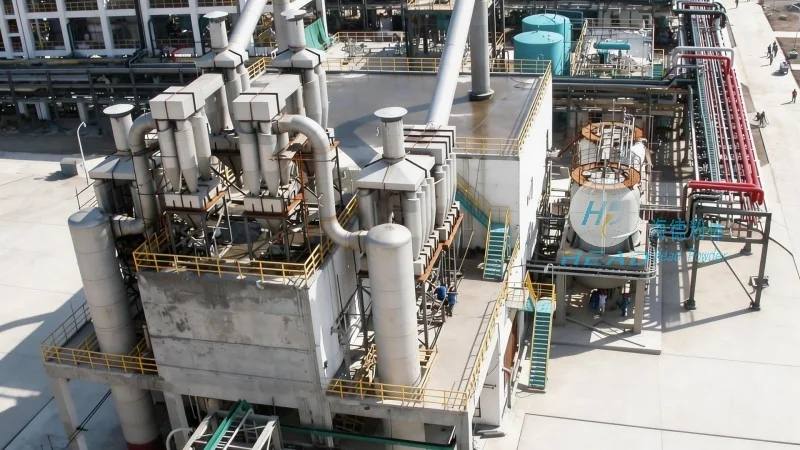
Benefits of Choosing Pneumatic Conveying for Titanium Mineral Powder Handling
Implementing pneumatic conveying systems for titanium mineral powder offers numerous benefits that directly impact the bottom line and operational efficiency of industrial operations. One of the primary advantages is the reduction in labor costs, as the automated system minimizes the need for manual handling of powders, which can be hazardous and inefficient. Additionally, the enclosed nature of the system reduces the risk of dust explosions, a critical safety consideration in powder handling facilities. The consistent flow rates and pressure control provided by the system ensure that downstream processing equipment operates at optimal efficiency, reducing waste and improving product yield. Furthermore, the energy efficiency of modern pneumatic conveying systems, particularly those with recirculation capabilities, helps lower operational costs over time. The ability to handle large volumes of material in a continuous manner also streamlines production schedules, allowing for faster turnaround times and increased output. Overall, the adoption of pneumatic conveying technology for titanium mineral powder handling represents a strategic investment in both operational performance and long-term sustainability.